

Blog
What Is the Life Expectancy of an Electric Golf Cart?

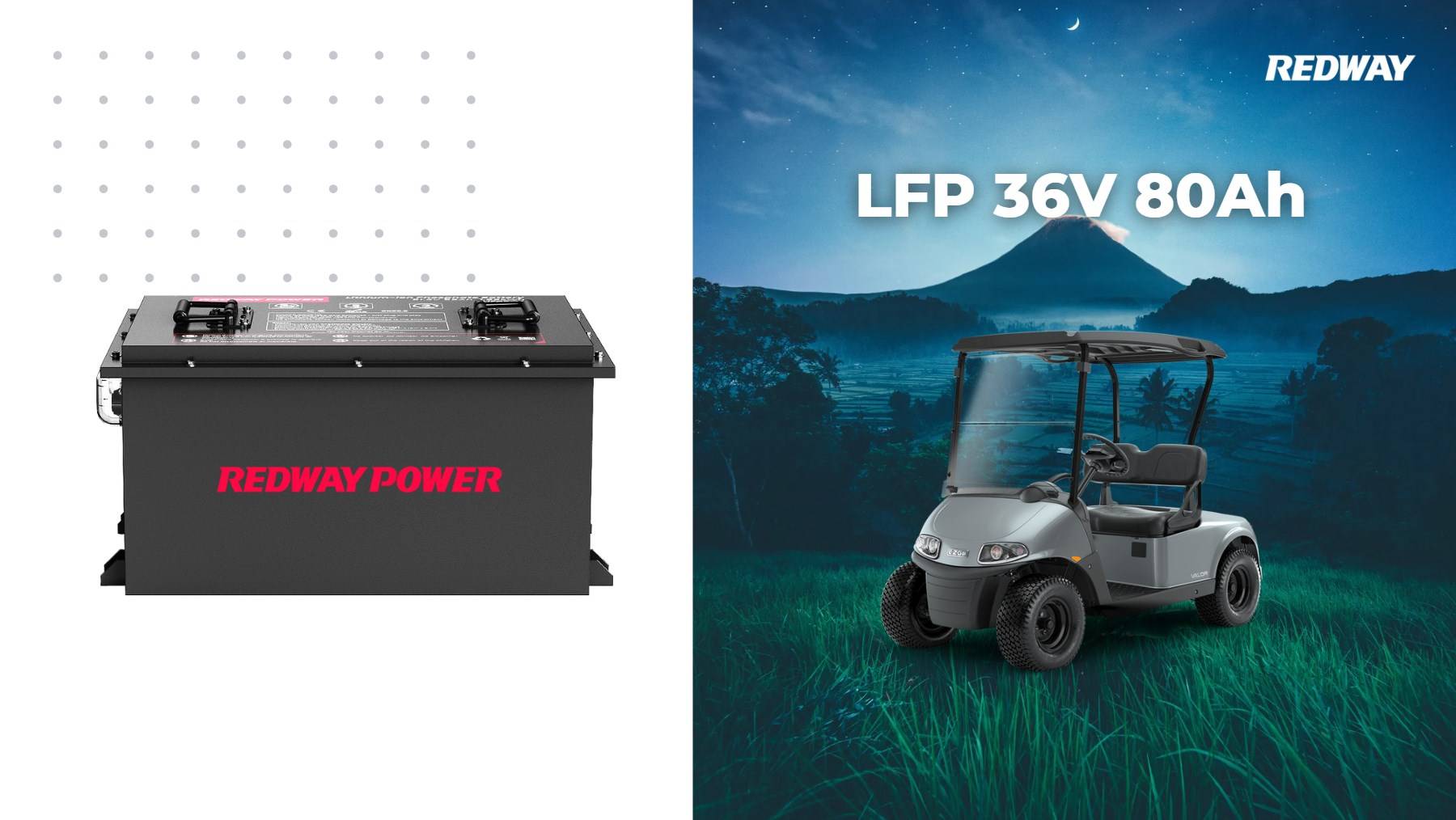
The average life expectancy of an electric golf cart ranges from 10 to 20 years, depending on various factors such as battery type, maintenance practices, and usage patterns. With proper care, some well-maintained carts can even last up to 40 years. Understanding these elements can help you make informed decisions about your investment.
What is the average life expectancy of an electric golf cart?
On average, electric golf carts can last between 10 to 20 years. However, this lifespan can vary significantly based on how well the cart is maintained and how frequently it is used. Some manufacturers claim that with diligent care, electric carts can provide reliable service for up to 40 years.
| Lifespan Range | Description |
|---|---|
| 10 – 20 years | Typical lifespan with regular maintenance |
| Up to 40 years | Possible with exceptional care and conditions |
How does battery type influence the lifespan of an electric golf cart?
Battery type greatly impacts lifespan. Lead-acid batteries typically last 2 to 6 years depending on maintenance and usage, while lithium-ion batteries can last 8 to 20 years with proper care. Lithium batteries tolerate partial charges better and have higher cycle counts, resulting in longer service life. AGM and gel batteries offer moderate lifespans with less maintenance than flooded lead-acid but shorter than lithium options.
The type of battery installed in your electric golf cart plays a crucial role in determining its overall lifespan. Generally, there are two main types of batteries used:
- Lead-Acid Batteries: These typically last between 2 to 5 years but can extend to 6 to 10 years with proper care.
- Lithium-Ion Batteries: Known for their longevity, these batteries can last anywhere from 10 to 20 years, making them a more durable option.
| Battery Type | Average Lifespan |
|---|---|
| Lead-Acid | 2 – 5 years (up to 10 with proper care) |
| Lithium-Ion | 10 – 20 years |
What role does maintenance play in extending a golf cart’s life?
Regular maintenance is crucial for maximizing battery and golf cart lifespan. For lead-acid batteries, this includes checking and topping off water levels, cleaning terminals, and ensuring full charges to prevent sulfation. Lithium batteries require less upkeep but still benefit from proper charging habits and storage in cool, dry conditions. Routine inspection and cleaning prevent corrosion and connection issues, helping maintain consistent performance and prolonging the overall life of the golf cart’s electrical system.
Regular maintenance is vital for prolonging the lifespan of your electric golf cart. Key maintenance tasks include:
- Battery Care: Regularly check water levels (for lead-acid batteries) and keep terminals clean.
- Tire Maintenance: Ensure tires are inflated properly and check for wear.
- Routine Inspections: Regularly inspect brakes, lights, and other critical components.
A well-maintained cart not only performs better but also lasts longer.
| Maintenance Task | Importance |
|---|---|
| Battery Care | Prevents premature failure |
| Tire Maintenance | Ensures safety and performance |
| Routine Inspections | Identifies issues before they escalate |
Which factors can affect the longevity of an electric golf cart?
Longevity depends on battery type, maintenance quality, usage patterns, and environmental conditions. Frequent deep discharges, exposure to extreme temperatures, and improper charging shorten battery life. Heavy loads and rough terrain increase strain on batteries and motors. Using high-quality batteries and chargers, storing the cart properly, and avoiding overloading contribute to longer lifespan. Regular inspections and timely repairs also prevent premature wear and failure.
Several external factors can influence how long your electric golf cart lasts:
- Usage Patterns: Frequent use on rough terrain may cause more wear and tear compared to occasional use on smooth surfaces.
- Environmental Conditions: Extreme temperatures and humidity can negatively impact battery performance and overall longevity.
- Storage Conditions: Proper storage away from harsh elements helps preserve both the battery and the body of the cart.
| Factor | Impact on Longevity |
|---|---|
| Usage Patterns | More use leads to faster wear |
| Environmental Conditions | Extreme weather can cause damage |
| Storage Conditions | Protects against environmental wear |
Are there specific usage patterns that impact lifespan?
Yes, frequent deep discharging below 20% and irregular charging reduce battery lifespan. Partial charge cycles, where batteries are recharged before fully drained, especially benefit lithium batteries. Consistent use with proper charging extends life, while long periods of inactivity or leaving batteries discharged cause capacity loss. Operating the golf cart under heavy loads or harsh terrain also accelerates wear on batteries and components.
Yes, specific usage patterns significantly affect how long an electric golf cart will last. For instance:
- Fleet vs. Personal Use: Fleet carts often experience more frequent use, leading to shorter lifespans (typically around 4 to 6 years) compared to personal carts that may last longer due to less intensive usage.
- Terrain Type: Carts used on rough or hilly terrains may wear out faster than those used on flat, well-maintained courses.
Usage Pattern Overview
| Usage Type | Expected Lifespan |
|---|---|
| Fleet Use | Approximately 4 – 6 years |
| Personal Use | Approximately 10 – 20 years |
How can I maximize the life expectancy of my electric golf cart?
Maximize lifespan by selecting the right battery type for your needs, performing regular maintenance, and avoiding deep discharges. Use compatible chargers and store the cart in a temperature-controlled, dry environment. Charge batteries after each use and inspect connections regularly. Avoid overloading and harsh driving conditions. Following manufacturer guidelines and scheduling professional check-ups helps ensure your golf cart remains reliable and efficient for many years.
To ensure your electric golf cart lasts as long as possible, consider these tips:
- Regular Maintenance: Follow a strict maintenance schedule for batteries and mechanical components.
- Proper Charging Practices: Avoid overcharging and ensure batteries are charged according to manufacturer guidelines.
- Optimal Storage: Store your cart in a climate-controlled environment when not in use.
By adhering to these practices, you can significantly enhance your cart’s longevity.
Maximization Tips
| Tip | Description |
|---|---|
| Regular Maintenance | Keeps all components functioning optimally |
| Proper Charging | Prevents battery damage |
| Optimal Storage | Protects against environmental damage |
Battery Expert Views
“Understanding the nuances of battery types and maintenance practices is essential for maximizing the lifespan of your electric golf cart. With proper care, these vehicles can serve you reliably for decades.”
FAQ Section
- What is the typical lifespan of a lead-acid battery in an electric golf cart?
Lead-acid batteries generally last between 2 to 5 years, depending on usage and maintenance. - How often should I perform maintenance on my electric golf cart?
Regular inspections should be conducted at least once a year, with more frequent checks during heavy usage periods. - Can extreme weather conditions affect my electric golf cart’s lifespan?
Yes, extreme heat or cold can negatively impact battery performance and overall longevity. - Is it worth investing in lithium-ion batteries for my golf cart?
Yes, while they may have a higher upfront cost, lithium-ion batteries offer longer lifespans and require less maintenance over time.