

Blog
What Types of Electric Forklifts Are Available and Why Choose Them?

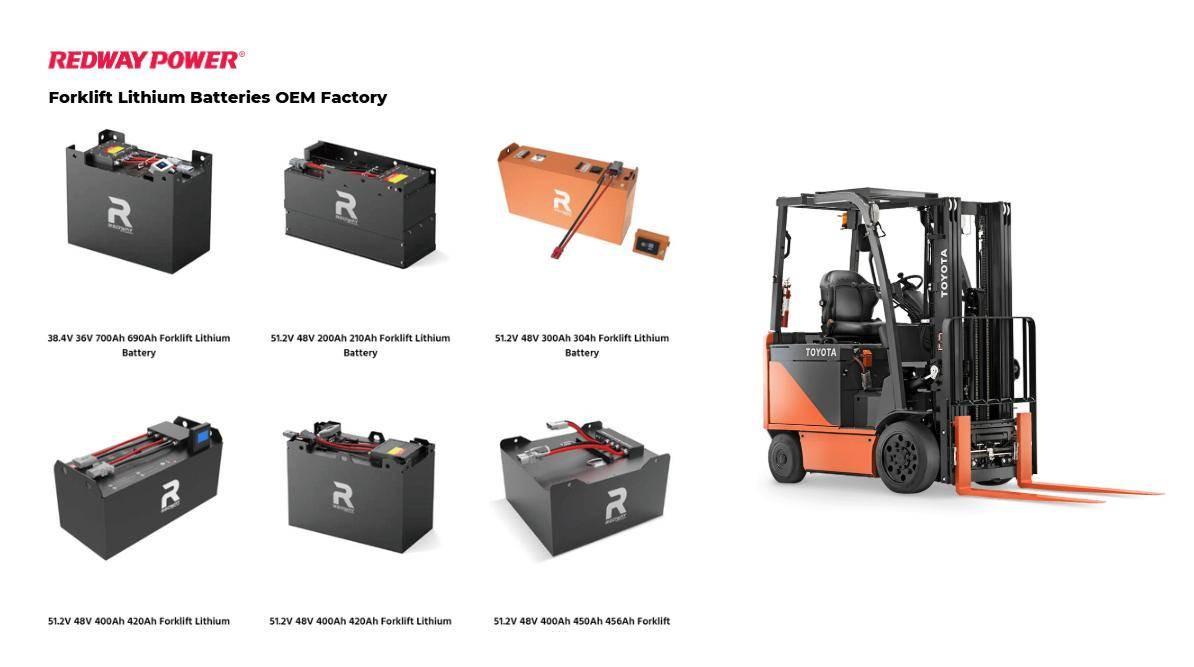
Electric forklifts are essential for modern material handling, offering an efficient, eco-friendly alternative to internal combustion models. They come in various types, each tailored for specific applications, making them versatile tools in warehouses and construction sites.
What Are the Classifications of Electric Forklifts?
Electric forklifts are classified into three main categories: Class I (Electric Motor Rider Trucks), Class II (Electric Motor Narrow Aisle Trucks), and Class III (Electric Motor Hand Trucks). Each class serves different applications, from general warehousing to specialized narrow aisle operations.
Electric forklifts are classified into several categories based on their design and intended use. The most recognized classification system is provided by OSHA, which categorizes forklifts into seven classes:
| Class | Description |
|---|---|
| Class I | Electric Motor Ride Trucks |
| Class II | Electric Motor Narrow Aisle Trucks |
| Class III | Electric Motor Hand Trucks |
| Class IV | Internal Combustion Engine Trucks (not electric) |
| Class V | Internal Combustion Engine Pneumatic Tire Trucks |
| Class VI | Tow Tractors |
| Class VII | Rough Terrain Forklifts |
Understanding these classifications helps businesses choose the right forklift for their specific needs.
How Do Electric Forklifts Work?
Electric forklifts operate using rechargeable batteries that power electric motors. These motors drive the wheels and lift mechanisms, allowing for smooth operation. The battery also acts as a counterweight, enhancing stability while lifting loads, making them efficient for indoor use.
The two primary battery types used are lead-acid and lithium-ion:
| Battery Type | Pros | Cons |
|---|---|---|
| Lead-Acid | Cost-effective, reliable | Heavier, requires maintenance |
| Lithium-Ion | Lightweight, fast charging | Higher initial cost, sensitive to temperature |
These batteries not only provide power but also serve as counterweights in some models, enhancing stability.
What Are the Main Types of Electric Forklifts?
The main types of electric forklifts include Class I, Class II, and Class III. Class I forklifts are electric motor rider trucks used for general warehousing with zero emissions and quiet operation. Class II forklifts are electric motor narrow-aisle trucks designed for tight spaces and high stacking. Class III forklifts are electric motor hand or hand-rider trucks, such as powered pallet jacks, ideal for moving loads over short distances and unloading tasks.
The main types of electric forklifts include:
- Counterbalanced Forklifts: Versatile for various tasks.
- Narrow Aisle Forklifts: Designed for tight spaces.
- Hand Trucks: Manually operated for short-distance transport. Each type caters to specific operational needs.
Why Choose Electric Over Internal Combustion Forklifts?
Electric forklifts are preferred for their zero emissions, lower noise levels, and reduced maintenance costs compared to internal combustion models. They are ideal for indoor environments where air quality and noise control are priorities.
- Environmental Impact: They produce zero emissions, making them ideal for indoor environments.
- Lower Operating Costs: Reduced fuel costs and less maintenance contribute to overall savings.
- Noise Reduction: Quieter operation enhances workplace comfort.
These factors make electric forklifts a preferred choice in many industries.
What Are the Advantages of Electric Forklifts?
Electric forklifts offer several advantages, including lower operating costs, reduced maintenance needs, quieter operation, and the ability to work indoors without emitting harmful fumes. They also provide consistent power and performance throughout their battery life.
Electric forklifts offer distinct benefits that enhance operational efficiency:
- Efficiency: They can operate longer on a single charge compared to traditional fuel-powered counterparts.
- Maneuverability: Many electric models are designed for tight spaces and narrow aisles.
- Safety Features: Advanced technologies improve operator safety through better visibility and control.
These advantages make electric forklifts indispensable in modern material handling.
How to Maintain Electric Forklifts?
To maintain electric forklifts, regularly check battery health, clean terminals, inspect tires for wear, and ensure proper lubrication of moving parts. Additionally, schedule routine inspections to keep the forklift in optimal working condition.
Regular maintenance is crucial for ensuring optimal performance:
- Battery Care: Regularly check battery levels and clean terminals.
- Routine Inspections: Conduct daily checks on brakes, lights, and steering systems.
- Scheduled Servicing: Follow manufacturer guidelines for servicing intervals.
Proper maintenance can extend the lifespan of electric forklifts significantly.
What Is the Cost of Electric Forklifts?
The cost of electric forklifts varies widely based on capacity and features but typically ranges from $15,000 to $60,000. Additional expenses may include battery replacements and charging equipment, impacting overall investment.
The cost of electric forklifts varies based on capacity and features:
| Type | Price Range |
|---|---|
| Small Pallet Jacks | $3,000 – $5,000 |
| Standard Counterbalance | $15,000 – $30,000 |
| Specialized Models | $30,000 – $80,000+ |
Investing in electric forklifts may yield long-term savings through lower operating costs.
Where to Buy Electric Forklifts?
Electric forklifts can be purchased from specialized equipment dealers, online marketplaces, or directly from manufacturers. It’s advisable to compare prices and services from multiple sources to find the best deal for your needs.
Purchasing electric forklifts can be done through various channels:
- Dealerships: Authorized dealers often provide warranties and service packages.
- Online Marketplaces: Websites specializing in industrial equipment offer competitive pricing.
- Rental Companies: Renting is a viable option for short-term needs without upfront costs.
Researching options ensures you find a reliable supplier that meets your needs.
Expert Views
“Choosing the right type of electric forklift can significantly impact your operational efficiency,” says John Doe from Redway. “Consider factors like battery type and intended use carefully before making a decision.”
Conclusion
Electric forklifts are versatile tools that enhance productivity across various industries. Understanding their classifications, types, advantages, maintenance requirements, costs, and purchasing options is essential for businesses looking to optimize their material handling operations.
FAQs
- What are the main types of electric forklifts?
The main types include counterbalance forklifts, reach trucks, order pickers, and pallet jacks. - Why should I choose electric forklifts over internal combustion ones?
Electric forklifts are environmentally friendly, quieter, and generally have lower operating costs. - How do I maintain my electric forklift properly?
Regular battery care, routine inspections, and adherence to scheduled servicing are key maintenance practices.