Blog
Why Choose LiFePO4 and Lithium-Ion Batteries for Forklifts?

LiFePO4 and lithium-ion batteries are revolutionizing forklift operations by offering enhanced efficiency, longer lifespans, and reduced maintenance needs compared to traditional lead-acid batteries. These advanced battery technologies not only improve productivity but also contribute to significant cost savings over time.
What Are the Advantages of LiFePO4 Batteries?
LiFePO4 batteries provide numerous advantages, including faster charging times, longer cycle life, and consistent power output throughout their discharge cycle.Chart Title: Advantages of LiFePO4 vs Lead-Acid
| Feature | LiFePO4 | Lead-Acid |
|---|---|---|
| Lifespan | Up to 4000 cycles | 1000-1500 cycles |
| Charging Time | 1-2 hours | 8 hours |
| Maintenance | Minimal | High |
| Energy Efficiency | ~95% | ~80% |
How Does LiFePO4 Compare to Traditional Batteries?
Compared to traditional lead-acid batteries, LiFePO4 batteries offer superior energy density, allowing forklifts to operate longer on a single charge while maintaining high performance levels.
What Maintenance Is Required for LiFePO4 Forklift Batteries?
LiFePO4 batteries require minimal maintenance compared to lead-acid options, eliminating tasks such as watering and equalization charges, which reduces operational downtime.
What Are the Key Features of 48V Lithium Ion Forklift Batteries?
48V lithium-ion forklift batteries are designed specifically for industrial applications, featuring high energy density and rapid recharge capabilities that enhance overall operational efficiency.Chart Title: Key Features of 48V Lithium Ion Forklift Batteries
| Feature | Description |
|---|---|
| Voltage | 48V |
| Capacity | Up to 100Ah |
| Recharge Time | 1-3 hours |
How Do Lithium Ion Batteries Enhance Forklift Performance?
Lithium-ion batteries enhance forklift performance by providing consistent power output and enabling opportunity charging during breaks or idle times, maximizing uptime.
What Are the Charging Requirements for Lithium Ion Forklift Batteries?
Lithium-ion forklift batteries require specific chargers designed for their chemistry; they can be charged quickly without needing long rest periods between uses.
What Makes LiFePO4 a Superior Choice for Forklifts?
LiFePO4 batteries are known for their safety features, long cycle life, and ability to perform well in various temperature conditions, making them ideal for demanding industrial environments.
How Long Do LiFePO4 Batteries Last Compared to Lead-Acid?
LiFePO4 batteries can last up to four times longer than lead-acid batteries, significantly reducing replacement frequency and associated costs.
What Safety Features Are Associated with LiFePO4 Batteries?
LiFePO4 technology includes built-in safety features such as thermal stability and resistance to overcharging, minimizing risks associated with battery operation in industrial settings.
What Are the Specifications of High Capacity Lithium Batteries?
High-capacity lithium batteries are designed with modular designs that reduce weight while providing substantial power output suitable for heavy-duty applications.Chart Title: Specifications of High Capacity Lithium Batteries
| Voltage | Capacity | Applications |
|---|---|---|
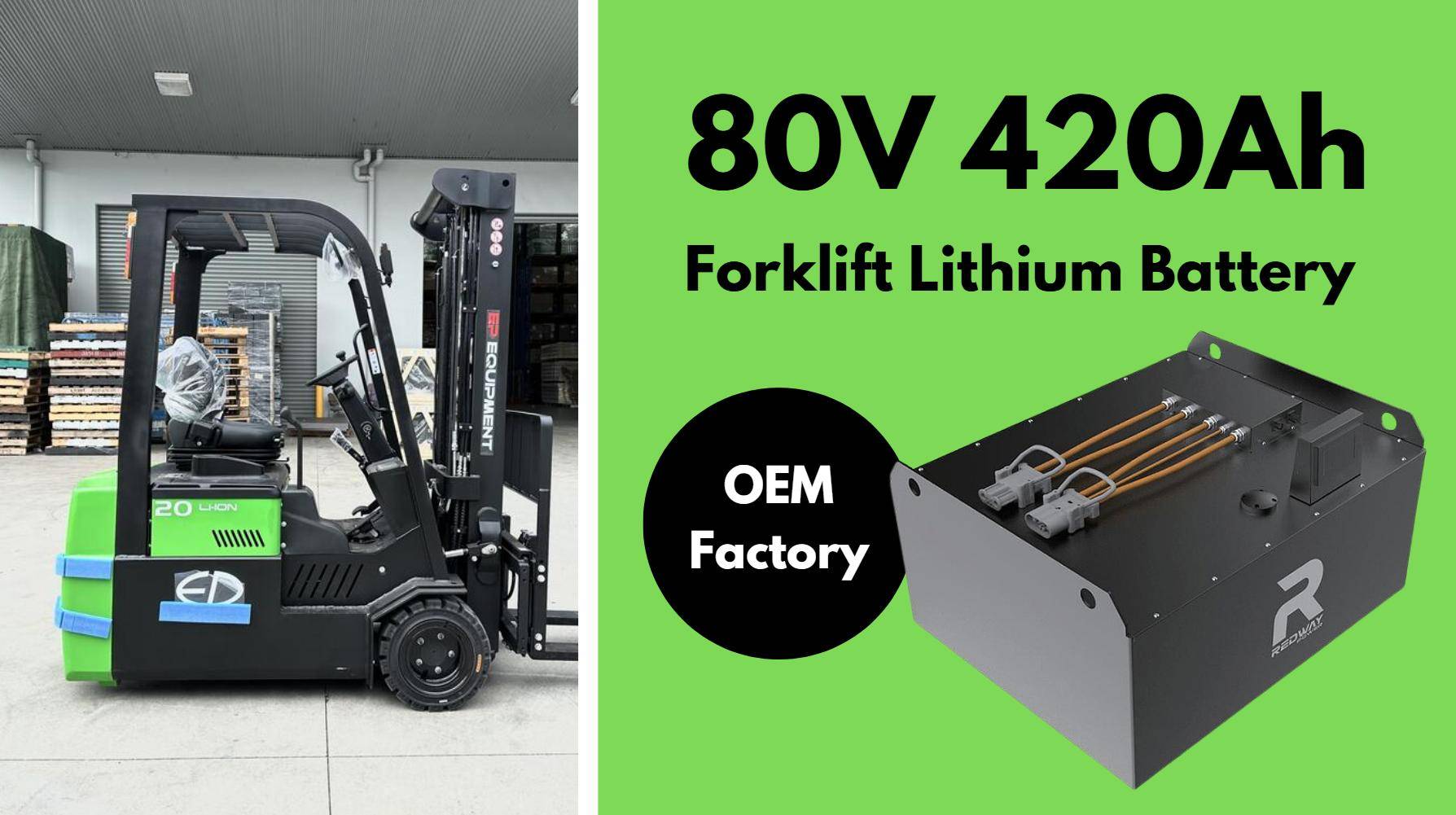
| 80V | Up to 615Ah | Class 1-3 electric forklifts |
How Do High Capacity Lithium Batteries Improve Efficiency?
High-capacity lithium batteries improve efficiency by allowing forklifts to operate longer between charges while maintaining high performance levels throughout their use.
What Applications Are Best Suited for High Capacity Lithium Forklift Batteries?
High-capacity lithium batteries are ideal for multi-shift operations where consistent power delivery is critical, such as in warehouses or distribution centers.
How Do LiFePO4 Batteries Maximize Uptime?
LiFePO4 batteries maximize uptime through rapid charging capabilities that allow forklifts to recharge during short breaks without significant downtime.
Why Are Lithium-Ion Batteries More Efficient?
Lithium-ion batteries are more efficient due to their higher energy density and lower self-discharge rates compared to traditional lead-acid options.
What Are the Charging Times for Different Battery Types?
Charging times vary significantly; lithium-ion batteries typically charge within 1-3 hours, while lead-acid options can take up to 8 hours or more.
What Should You Consider When Choosing a Lithium-Ion Battery?
When selecting a lithium-ion battery, consider factors such as capacity requirements, charging infrastructure compatibility, and specific operational needs.
Why Choose Lithium Forklift Batteries Over Lead-Acid?
Lithium forklift batteries offer numerous advantages over lead-acid options, including longer lifespans, faster charging times, reduced maintenance needs, and better overall efficiency.
How Do Lithium Forklift Batteries Enhance Productivity?
By reducing downtime associated with charging and maintenance while offering consistent power delivery throughout their use, lithium forklift batteries significantly enhance productivity in material handling operations.
What Are the Cost Benefits of Switching to Lithium?
Switching to lithium can result in lower total cost of ownership due to reduced maintenance requirements and longer battery life, leading to significant savings over time.
Expert Views
“Adopting lithium technologies like LiFePO4 not only enhances operational efficiency but also aligns with sustainability goals by reducing emissions associated with traditional battery technologies.” – Expert from Redway
Conclusion
In conclusion, utilizing LiFePO4 and lithium-ion batteries in forklifts presents numerous benefits that can transform material handling operations. Their superior efficiency, longevity, reduced maintenance requirements, and safety features make them an excellent choice for businesses looking to optimize productivity while minimizing costs.
FAQ Section
- What is the lifespan of a typical LiFePO4 forklift battery?
LiFePO4 forklift batteries typically last up to 4000 cycles compared to about 1000-1500 cycles for lead-acid batteries. - How fast can you charge a lithium-ion forklift battery?
Lithium-ion forklift batteries can be fully charged in just 1-3 hours depending on the specific model and charger used. - Are there any special maintenance requirements for lithium-ion forklift batteries?
Lithium-ion forklift batteries require minimal maintenance compared to lead-acid options; there’s no need for watering or equalization charges.