

Blog
Why Opt for a 48V 25AH Lithium Battery?

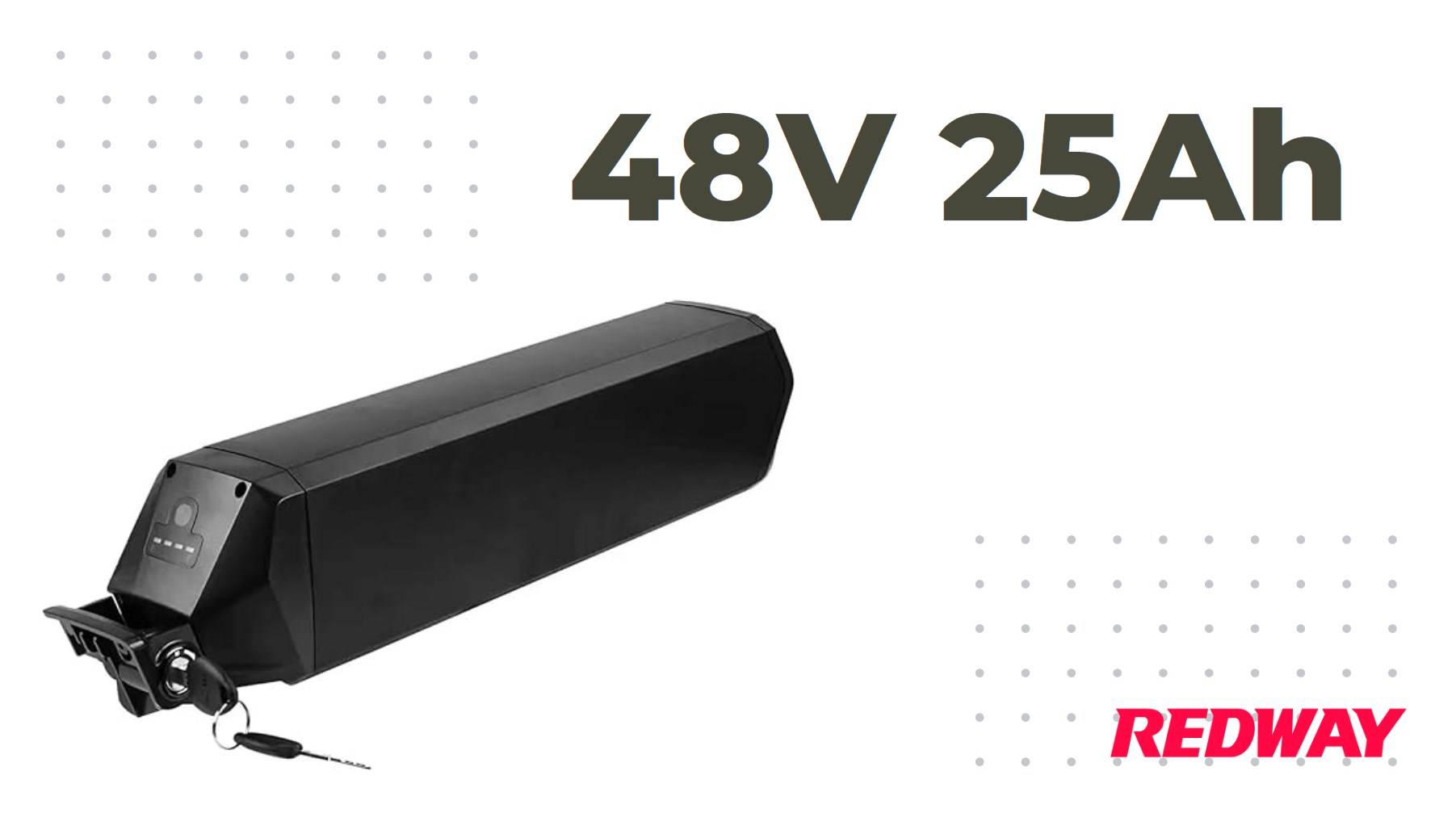
Choosing a 48V 25AH lithium battery offers optimal balance between power, capacity, lightweight design, and longevity, making it ideal for electric vehicles, golf carts, e-bikes, and energy storage applications. Its advanced lithium iron phosphate chemistry ensures fast charging, long cycle life, and high safety, maximizing performance and minimizing maintenance compared to traditional batteries.
What is a 48V 25AH lithium battery and how does it work?
A 48V 25AH lithium battery combines multiple lithium iron phosphate (LiFePO4) cells arranged in series and parallel to deliver 48 volts nominal voltage and 25 ampere-hours (Ah) of capacity. This configuration provides stable, continuous power output with efficient energy storage. The battery’s built-in Battery Management System (BMS) protects against overcharge, over-discharge, overheating, and short circuits, ensuring safety and reliability.
How do the specifications of a 48V 25AH lithium battery benefit users?
Key specifications include a nominal voltage of 48V, capacity of 25Ah, energy content around 1200Wh, over 3500+ charge cycles, and peak discharge currents typically around 50A. These specs translate into:
- Long service life of 10 to 15 years
- High energy density offering more power in a compact and lightweight package
- Efficient performance in continuous and peak load conditions
- Maintenance-free operation with low self-discharge
Such benefits reduce operational costs and increase uptime for users.
Why is lithium iron phosphate technology preferred in 48V 25AH batteries?
LiFePO4 chemistry boasts excellent thermal stability, non-toxic material composition, superior cycle life, and strong safety characteristics. Compared to lead-acid or other lithium chemistries, it offers faster charging, light weight (around 12 kg for typical 48V 25Ah packs), and resistance to thermal runaway or fire hazards. This makes it especially suitable for demanding applications that require reliability and safety.
How does a 48V 25AH lithium battery improve performance over traditional batteries?
The lithium battery’s higher energy density means it stores more energy per kilogram, reducing battery weight and size while increasing run time. With better discharge efficiency, these batteries maintain voltage levels more consistently under load, providing improved acceleration and power to electric motors. Long cycle life lowers replacement frequency, and advanced BMS technology from manufacturers like Redway Power ensures consistent safety and performance.
Chart of Performance Benefits
| Feature | Lithium 48V 25AH Battery | Traditional Lead-Acid Battery |
|---|---|---|
| Weight | Approx. 12 kg | 25-30 kg |
| Cycle Life | 3000+ cycles | 500-800 cycles |
| Charging Time | 2-4 hours | 6-8 hours |
| Maintenance | Minimal (BMS-integrated) | Regular watering and monitoring |
| Safety | High (thermal stability, no explosion) | Moderate (risk of acid spills) |
Which applications best suit a 48V 25AH lithium battery?
- This battery size and technology are ideal for:
- Electric scooters and e-bikes needing strong power-to-weight ratios
- Golf carts and small electric vehicles requiring compact yet powerful energy sources
- Portable power banks and home energy storage solutions demanding reliable deep-cycle performance
- Robotics, industrial automation, and backup power systems benefiting from long cycle life and fast charge
Redway Power extensively manufactures custom lithium battery packs for such uses, ensuring optimized design and integration.
How does Redway Power ensure quality and safety in 48V 25AH lithium batteries?
Redway Power utilizes advanced Manufacturing Execution Systems (MES) for strict production control, ensuring every lithium battery meets high safety and performance standards. Their batteries feature integrated BMS for real-time cell balancing and multi-point protection, enhancing lifespan and preventing failures. The company’s 13 years of OEM experience guarantee precision engineering tailored to clients’ power needs.
What maintenance practices optimize the life of a 48V 25AH lithium battery?
Lithium batteries require less maintenance than traditional ones but still benefit from best practices:
- Avoid deep discharges below recommended cutoff voltage
- Use compatible chargers providing regulated, balanced charging
- Store batteries in cool, dry environments at partial charge if unused long term
- Regularly inspect battery and terminals for damage or corrosion
- Follow manufacturer guidelines, such as those from Redway Power, which integrate smart BMS diagnostics for proactive management
These methods help maximize charge cycles and overall battery health.
How do charging and environmental conditions impact 48V 25AH lithium battery performance?
Fast charging capabilities allow rapid turnaround times, but excessive heat during charge or use can degrade battery cells. Operating temperature ranges typically span 0-45℃ for charging and -20 to 60℃ for discharging; extreme cold or heat can reduce capacity temporarily or permanently damage the battery. Proper thermal management and protective housing are critical to sustaining optimal performance.
What makes a 48V 25AH lithium battery economical and environmentally friendly?
Though upfront costs may be higher than traditional batteries, lithium batteries deliver significantly lower total cost of ownership thanks to:
- Longer lifespan reducing replacements
- Lower maintenance requirements
- Higher efficiency reducing energy waste
- Non-toxic materials that are safer to recycle
Their environmental profile supports sustainability goals in electric mobility and energy storage, aligning with industry standards promoted by innovators like Redway Power.
Redway Power Expert Views
“A 48V 25AH lithium battery offers a strategic balance of power, lifespan, safety, and compactness,” explains a Redway Power expert. “Our MES-driven manufacturing ensures these batteries consistently deliver peak performance with minimal degradation over thousands of cycles. By integrating advanced BMS controls and leveraging lithium iron phosphate chemistry, we provide reliable, environmentally conscious power solutions customized for a wide range of demanding applications.”
Conclusion
Opting for a 48V 25AH lithium battery delivers superior energy density, long service life, exceptional safety, and maintenance ease compared to traditional batteries. Its versatility suits electric mobility, energy storage, and industrial use cases, offering strong runtime and fast recharge capabilities. With expert manufacturing and quality oversight from Redway Power, these batteries provide an economical, reliable, and future-ready power investment.
FAQs
Q: What does 48V 25AH indicate in a lithium battery?
A: It signifies a nominal voltage of 48 volts and a capacity of 25 ampere-hours.
Q: How long do lithium 48V 25AH batteries typically last?
A: They usually provide over 3500 charge cycles, equating to 10-15 years of service.
Q: Are lithium 48V 25AH batteries maintenance-free?
A: Yes, with built-in BMS, they require minimal maintenance compared to legacy chemistries.
Q: Can I use a 48V 25AH lithium battery in place of lead-acid battery packs?
A: Yes, but ensure compatibility and proper charging infrastructure.
Q: How does Redway Power enhance 48V 25AH battery performance?
A: Redway Power applies MES precision manufacturing and advanced BMS technology to optimize safety, capacity, and longevity.