

Blog
Why Use a 60V Lithium Ion Battery Charger?

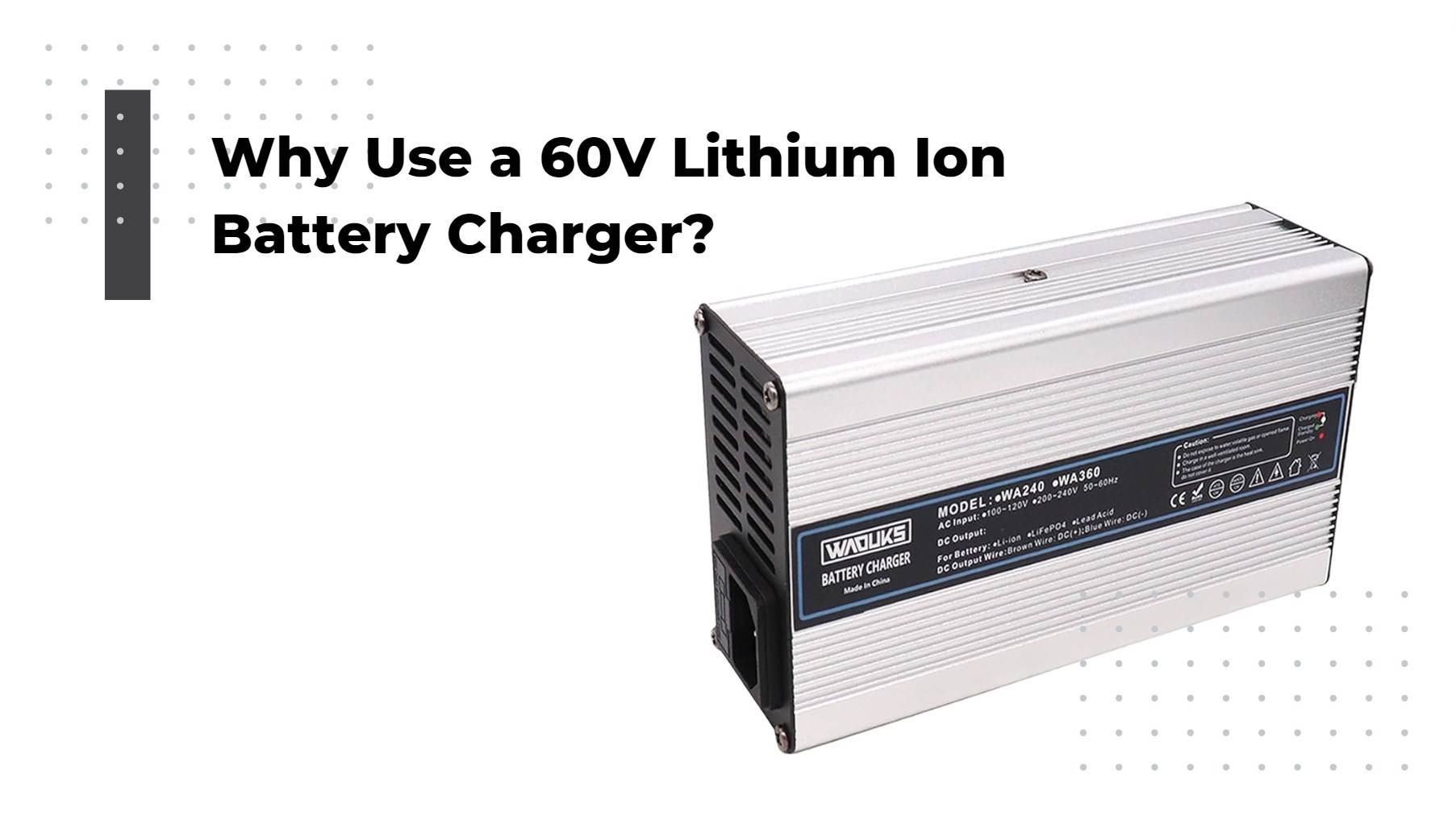
Using a 60V lithium ion battery charger offers numerous advantages, including faster charging times, improved efficiency, and enhanced compatibility with high-capacity batteries used in electric vehicles and power tools. This article explores the key benefits, specifications, and considerations when selecting the right charger.
What are the benefits of using a 60V lithium ion battery charger?
The primary benefits of using a 60V lithium ion battery charger include faster charging capabilities, higher energy efficiency, and reduced overall downtime. These chargers are designed to optimize the charging process, ensuring that batteries reach full capacity quickly while maintaining their longevity.Chart Title: Benefits of Using a 60V Lithium Ion Charger
| Benefit | Description |
|---|---|
| Faster Charging | Reduces waiting time significantly |
| Energy Efficiency | Maximizes power delivery during charging |
| Longevity | Enhances overall lifespan of batteries |
How does a 60V charger improve charging efficiency?
A 60V lithium ion battery charger improves charging efficiency through advanced technologies such as constant current/constant voltage (CC/CV) charging profiles, which ensure that batteries receive optimal voltage and current levels throughout the charging cycle.Chart Title: Charging Efficiency Mechanism
| Mechanism | Description |
|---|---|
| CC/CV Charging | Maintains optimal voltage and current |
| Smart Charging Tech | Adjusts parameters based on battery needs |
What specifications should you look for in a 60V charger?
When selecting a 60V lithium ion battery charger, consider specifications such as output voltage, current rating, and compatibility with your specific battery type. Additionally, look for features like built-in protection mechanisms against overcharging and overheating.Chart Title: Key Specifications to Consider
| Specification | Importance |
|---|---|
| Output Voltage | Must match the battery’s requirements |
| Current Rating | Determines charging speed |
| Protection Features | Prevents damage to both the charger and battery |
Why is compatibility important when selecting a charger?
Compatibility is crucial because using an incompatible charger can lead to inefficient charging or even damage to the battery cells. Always ensure that the charger’s specifications align with those of your lithium ion battery to guarantee safe and effective operation.Chart Title: Importance of Compatibility
| Aspect | Importance |
|---|---|
| Safe Operation | Prevents potential hazards |
| Efficient Charging | Ensures optimal performance |
What safety features should be included in a 60V charger?
A good 60V lithium ion battery charger should include safety features like over-voltage protection, over-current protection, short-circuit protection, and thermal management systems to prevent overheating during operation.Chart Title: Essential Safety Features
| Feature | Purpose |
|---|---|
| Over-voltage Protection | Prevents excessive voltage input |
| Thermal Management | Maintains safe operating temperatures |
When should you consider upgrading your charger?
Consider upgrading your charger if you experience frequent issues such as slow charging times or if your current model lacks essential safety features or compatibility with newer batteries. Upgrading can enhance performance and ensure safer operation.Chart Title: Signs You Need an Upgrade
| Sign | Recommendation |
|---|---|
| Slow Charging | Look for faster models |
| Frequent Errors | Upgrade to models with better protections |
Where can you find reliable sources for purchasing chargers?
Reliable sources include specialized electronics retailers, online marketplaces like Amazon or eBay, and manufacturer websites that provide detailed product specifications and customer support.Chart Title: Reliable Purchasing Sources
| Source Type | Examples |
|---|---|
| Online Marketplaces | Amazon, eBay |
| Manufacturer Websites | Direct from brands like Redway Power |
Can you use a standard charger for a lithium ion battery?
Using a standard charger designed for other types of batteries (like lead-acid) is not recommended for lithium ion batteries, as they require specific charging profiles to ensure safety and longevity.Chart Title: Standard vs. Lithium Ion Chargers
| Charger Type | Suitability |
|---|---|
| Standard Charger | Not suitable for lithium-ion batteries |
| Lithium Ion Charger | Specifically designed for optimal performance |
Expert Views:
“Utilizing a 60V lithium ion battery charger not only enhances efficiency but also ensures that your power solutions remain reliable over time. Understanding the specific needs of your equipment will guide you in choosing the most suitable charging options.”
FAQ Section
- What is the typical lifespan of a lithium ion battery?
A well-maintained lithium-ion battery typically lasts between 3 to 10 years, depending on usage conditions. - How do I know if my battery needs replacing?
Signs include reduced runtime, swelling, or physical damage; if any of these occur, consider replacing the battery. - Can I charge my lithium-ion battery overnight?
Yes, most modern chargers have built-in protections to prevent overcharging; however, always follow manufacturer guidelines. - What happens if I use an incompatible charger?
Using an incompatible charger may lead to inefficient charging or damage to the battery cells. - Are there any environmental concerns with lithium-ion batteries?
Yes, proper disposal and recycling are essential due to hazardous materials; always follow local regulations regarding disposal.