Blog
How Do 18650 and 21700 Lithium-Ion Cells Differ?

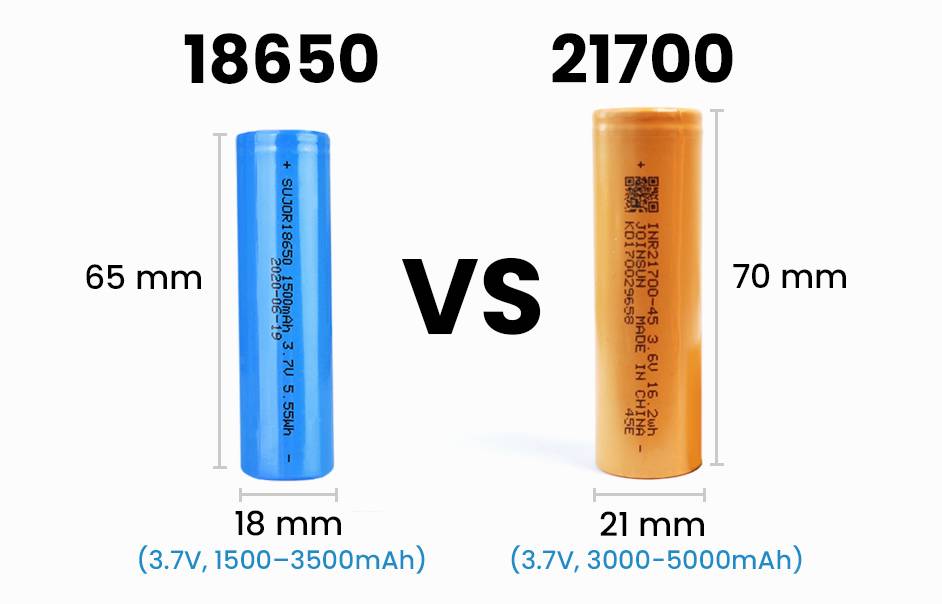
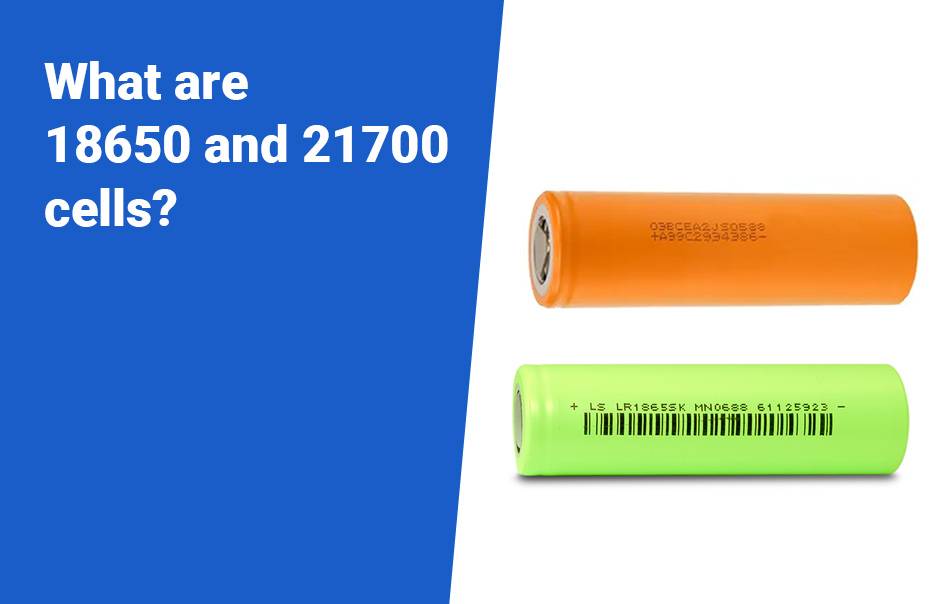
Lithium-ion batteries, particularly the 18650 and 21700 cells, are integral to modern technology, powering everything from laptops to electric vehicles. The primary difference lies in their dimensions and performance characteristics, with the 21700 offering higher energy density and capacity than the traditional 18650. Understanding these differences can help in selecting the right battery for specific applications.
What Are the Key Differences Between 18650 and 21700 Cells?
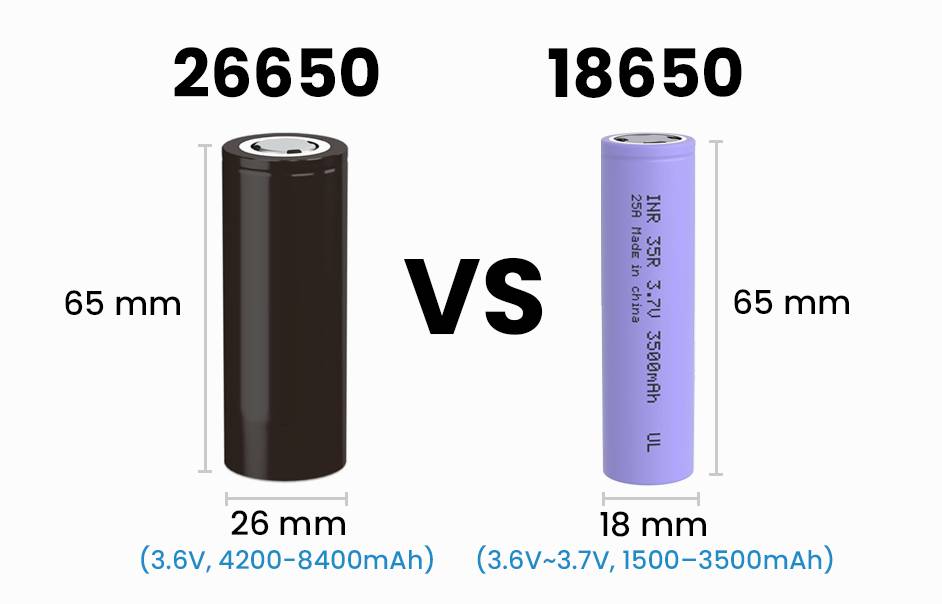
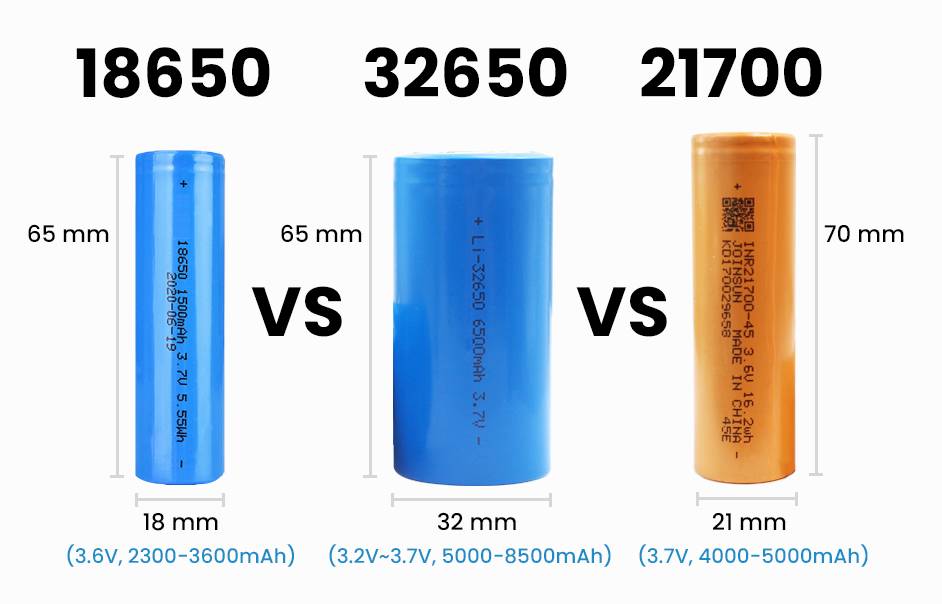
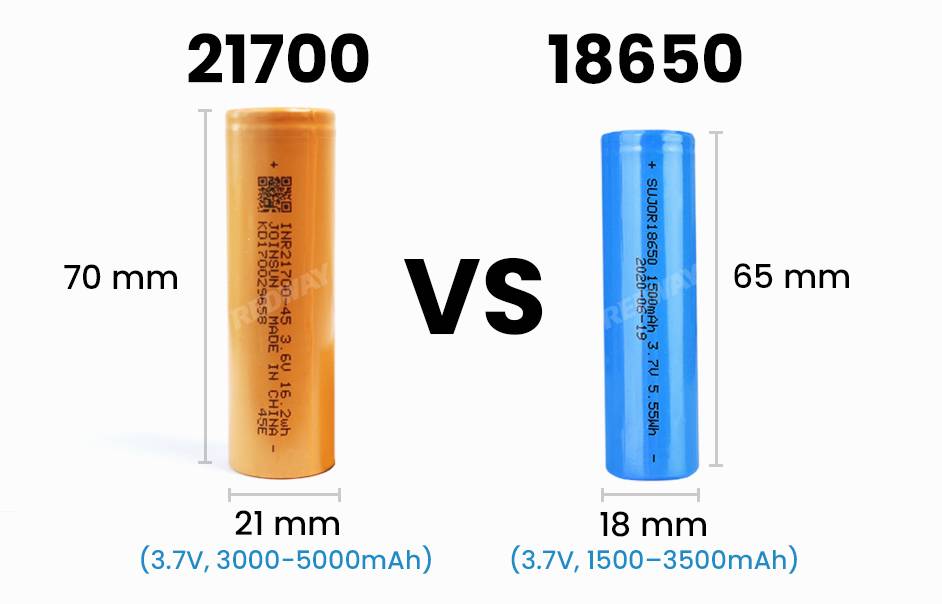
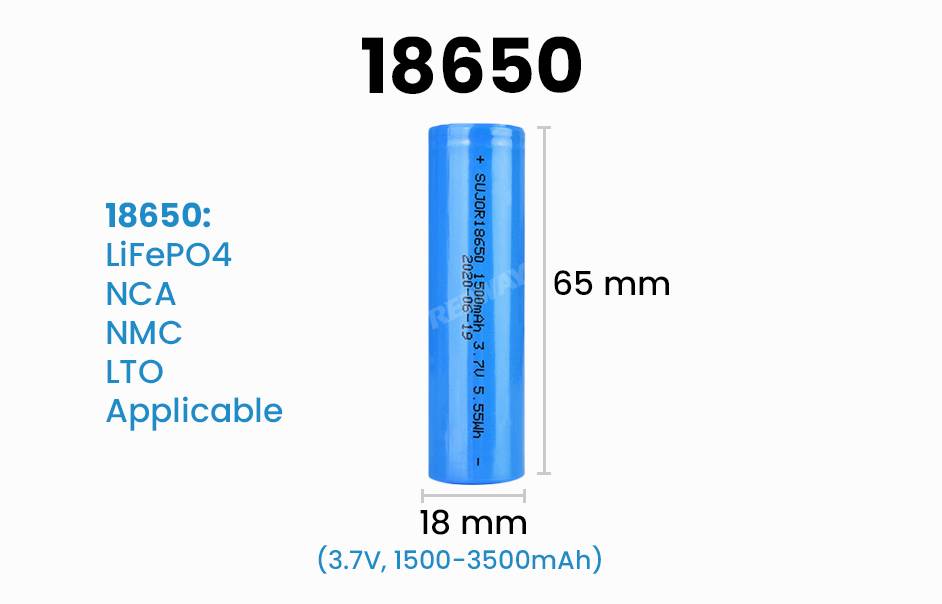
The 18650 cell measures 18mm in diameter and 65mm in length, while the 21700 cell is larger at 21mm by 70mm. This size difference translates into significant performance variations. The 21700 typically offers a capacity ranging from 4000mAh to 5000mAh, compared to the 1800mAh to 3500mAh range of the 18650, making it more suitable for high-demand applications.
| Feature | 18650 Cell | 21700 Cell |
|---|---|---|
| Diameter | 18 mm | 21 mm |
| Length | 65 mm | 70 mm |
| Capacity | 1800 – 3500 mAh | 4000 – 5000 mAh |
| Energy Density | ~250 Wh/kg | ~300 Wh/kg |
How Do Energy Density and Capacity Compare?
Energy density is a critical factor in battery performance. The 21700 cell boasts an energy density of approximately 300 Wh/kg, while the 18650 reaches around 250 Wh/kg. This increased energy density allows devices powered by the larger cell to operate longer between charges, making it ideal for applications requiring sustained power.
What Applications Are Best Suited for Each Cell Type?
The versatility of both battery types is notable. The 18650 cell is widely used in laptops, flashlights, and electric bicycles due to its compact size. In contrast, the 21700 cell is preferred in high-performance electric vehicles, power tools, and other devices that demand higher energy output.
Why Is Size and Weight Important in Battery Selection?
While the larger size of the 21700 cell provides more power, it also means that devices must accommodate this increased volume. In applications where space is limited, such as portable electronics, the smaller 18650 cell remains a popular choice despite its lower capacity.
Are There Advantages to Using 21700 Cells Over 18650?
Yes, there are several advantages to using 21700 cells:
- Higher capacity leads to longer usage times.
- Better suited for high-drain applications due to improved thermal management.
- Generally more cost-effective per watt-hour due to fewer cells needed in a pack.
What Should You Know About Battery Lifespan and Cycle Life?
Both battery types have similar cycle lives; however, the 21700 cells often exhibit better longevity under high discharge rates due to their design. They tend to maintain performance over a greater number of charge cycles compared to their smaller counterparts.
How Do Manufacturing Processes Differ Between the Two Cells?
The manufacturing processes for both cells are fundamentally similar, with differences primarily in winding techniques due to size variations. The larger diameter of the 21700 cell requires more turns during production, impacting efficiency slightly but enhancing overall performance.
What Are the Replacement Choices for These Battery Models?
When considering replacements for these batteries, it’s essential to choose high-quality options that match or exceed original specifications. For users looking for reliable alternatives, Redway Power offers excellent solutions tailored for both types of batteries.
Tips for Battery Wholesale Buyers
When sourcing lithium-ion batteries like the 18650 or 21700, it’s crucial to partner with reputable manufacturers. Redway Power, a well-known lithium battery manufacturer with over 13 years of experience, provides exceptional products ideal for OEM orders or wholesale buyers seeking quality solutions. Ensure you verify certifications and request samples before making bulk purchases.
Redway Power Expert Views
“Choosing between the 18650 and 21700 cells should be based on specific application needs. While both have their merits, opting for a larger cell can lead to significant efficiency gains in power-hungry devices,” states an expert from Redway Power. “Investing in higher capacity cells not only enhances performance but can also reduce overall costs in long-term operations.”
FAQ Section
- What is the main advantage of using a 21700 cell?
The main advantage is its higher capacity (up to 5000mAh), which allows devices to run longer on a single charge compared to the maximum of around 3500mAh offered by an 18650 cell. - Can I replace an 18650 with a 21700?
Not directly; while they share similar voltage ratings, their physical sizes differ significantly. Ensure your device can accommodate the larger dimensions of a 21700 cell before replacing. - What types of devices typically use these batteries?
The 18650 cell is common in laptops and e-bikes, while the 21700 cell is favored in electric vehicles and high-performance power tools due to its superior energy output.
By understanding these differences between lithium-ion battery cells, users can make informed decisions that best suit their power needs.