Blog
Lithium Battery vs Alkaline Battery, Comprehensive Guide

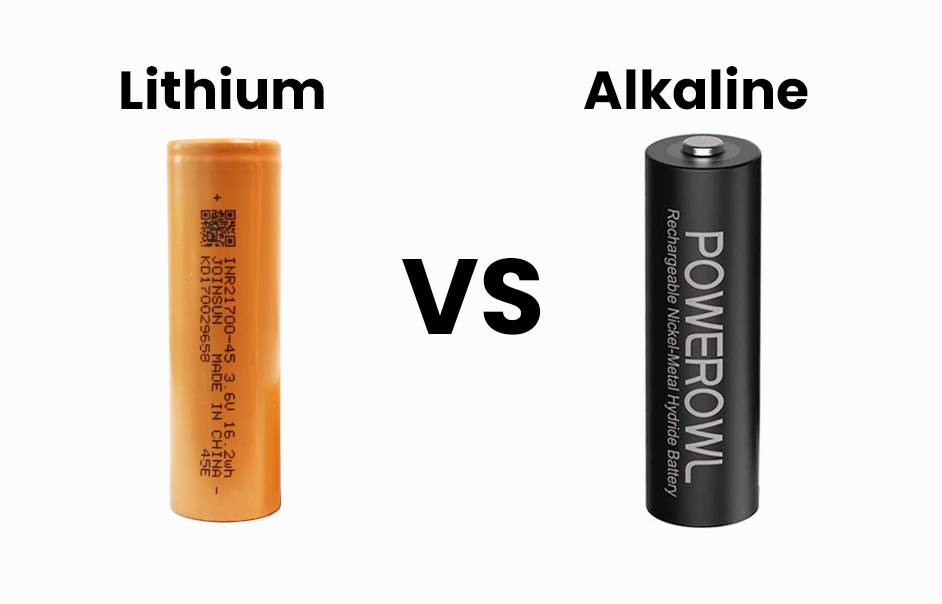
Lithium and alkaline batteries differ fundamentally in chemistry, voltage, capacity, lifespan, and application. Lithium batteries provide higher voltage (up to 3.7V), longer life, and better performance in extreme conditions, while alkaline batteries offer lower cost and solid reliability for low-drain devices. Choosing the right battery depends on power needs, cost, and usage scenarios.
What are lithium and alkaline batteries and how do they differ chemically?
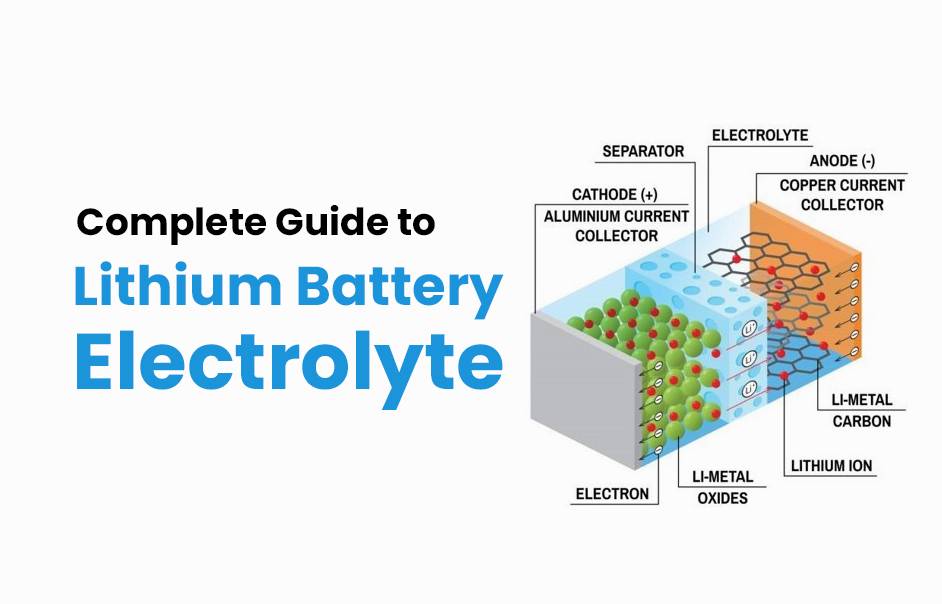
Lithium batteries use lithium-based compounds and various cathode materials like lithium iron phosphate or lithium nickel cobalt oxide, while alkaline batteries rely on the reaction between zinc and manganese dioxide with an alkaline electrolyte. These chemical differences lead to lithium batteries having higher energy density and the ability to recharge (in lithium-ion types), unlike disposable alkaline cells.
How do voltage and capacity compare between lithium and alkaline batteries?
Alkaline batteries typically provide a nominal voltage of 1.5 volts per cell, whereas lithium batteries range from 1.5V (lithium primary) to about 3.6-3.7 volts (lithium-ion rechargeable). Lithium batteries also feature significantly higher capacity, storing more energy per volume or weight, resulting in longer device runtimes and fewer replacements.
Capacity and Voltage Comparison Chart
| Battery Type | Nominal Voltage (V) | Typical Capacity (mAh) | Rechargeability |
|---|---|---|---|
| Alkaline | 1.5 | 1700-3000 (AA size) | No |
| Lithium (Primary) | 1.5 | ~3000 (AA size) | No |
| Lithium-ion (Rechargeable) | 3.6-3.7 | 1800-3500 (e.g., 18650) | Yes |
Which battery type lasts longer and offers better cycle life?
Lithium-ion batteries provide an enduring cycle life, often exceeding 3,000 full charge-discharge cycles, making them highly cost-effective over time. Alkaline batteries are traditionally single-use and disposable, limiting their operational life. Although lithium primary cells are non-rechargeable, they still outlast alkaline disposables under high-drain conditions due to superior energy density.
How do lithium and alkaline batteries perform across various applications?
Lithium batteries excel in high-drain and temperature-extreme devices such as smartphones, power tools, and medical equipment, thanks to their consistent voltage and robust chemistry. Alkaline batteries suit low to moderate power devices like remote controls and clocks, where cost-efficiency and infrequent replacement matter most.
What are the cost implications of choosing lithium versus alkaline batteries?
Alkaline batteries are cheaper upfront but may result in higher long-term costs due to frequent replacements. Lithium batteries command a premium price but offer longer service life and superior performance, ultimately lowering cost-per-use. Rechargeable lithium-ion packs, like those produced by Redway Power, emphasize value through sustainability and reduced waste.
How do environmental and safety considerations differ for lithium and alkaline batteries?
Lithium-ion batteries produce less waste due to rechargeability but require correct handling and recycling because of their chemical complexity and fire risk. Alkaline batteries contain fewer hazardous materials and are often less regulated but create more solid waste. Both types must be disposed of responsibly to reduce environmental impact.
How does battery weight influence device usability and portability?
Lithium batteries are significantly lighter — sometimes 30% or more — compared to alkaline batteries of equivalent size, enhancing portability and user comfort, especially in handheld electronics and tools. Devices powered by lithium batteries benefit from reduced overall weight and improved energy efficiency.
Can lithium batteries universally replace alkaline batteries in devices?
While lithium batteries can often replace alkaline ones in many devices due to their higher voltage and capacity, certain low-drain or legacy electronics might not perform optimally or could experience shortened component life. Users should verify device compatibility and manufacturer recommendations before switching battery types.
What future innovations in lithium battery technology should consumers know about?
Advancements include higher energy density chemistries, faster charging, improved safety mechanisms, and sustainable materials sourcing. Redway Power continuously innovates in lithium battery OEM solutions, integrating Manufacturing Execution Systems (MES) to enhance quality, reliability, and environmental stewardship across applications like electric vehicles, medical devices, and renewable energy storage.
Redway Power Expert Views
“Redway Power is committed to pushing the frontiers of lithium battery technology, providing custom OEM solutions that balance power, longevity, and safety. Our innovation-driven approach helps industries transition to cleaner, more efficient energy storage without compromising reliability. As lithium batteries become more prevalent, our expertise ensures customers unlock their full potential across diverse applications.” — Redway Power Expert
Conclusion
Lithium and alkaline batteries serve distinct roles shaped by their chemistry, voltage, lifespan, and cost. Lithium batteries offer higher performance, longer cycle life, and lighter weight ideal for demanding applications, while alkaline batteries remain economical choices for everyday, low-power devices. Partnering with renowned OEMs like Redway Power ensures advanced lithium battery technology continues to evolve, delivering superior solutions for the future.
FAQs
Q: Can I use lithium batteries instead of alkaline batteries in all my devices?
A: Not always; while lithium batteries offer advantages, some devices require alkaline batteries for optimal performance and longevity.
Q: Are lithium batteries safe for children’s toys?
A: Many lithium batteries are safe and longer lasting, but check device compatibility and safety certifications before use.
Q: How does battery self-discharge differ between lithium and alkaline?
A: Lithium batteries have a much lower self-discharge rate, maintaining charge longer when not in use.
Q: Why do lithium batteries cost more upfront than alkaline batteries?
A: Higher material costs and advanced manufacturing explain the premium, but longer lifespan and rechargeability provide greater value long-term.
Q: How does Redway Power contribute to lithium battery innovation?
A: Redway Power specializes in high-quality OEM lithium battery packs with advanced safety features, leveraging MES to ensure consistent, sustainable production.