

Blog
Should I Choose Lithium or Alkaline Batteries?

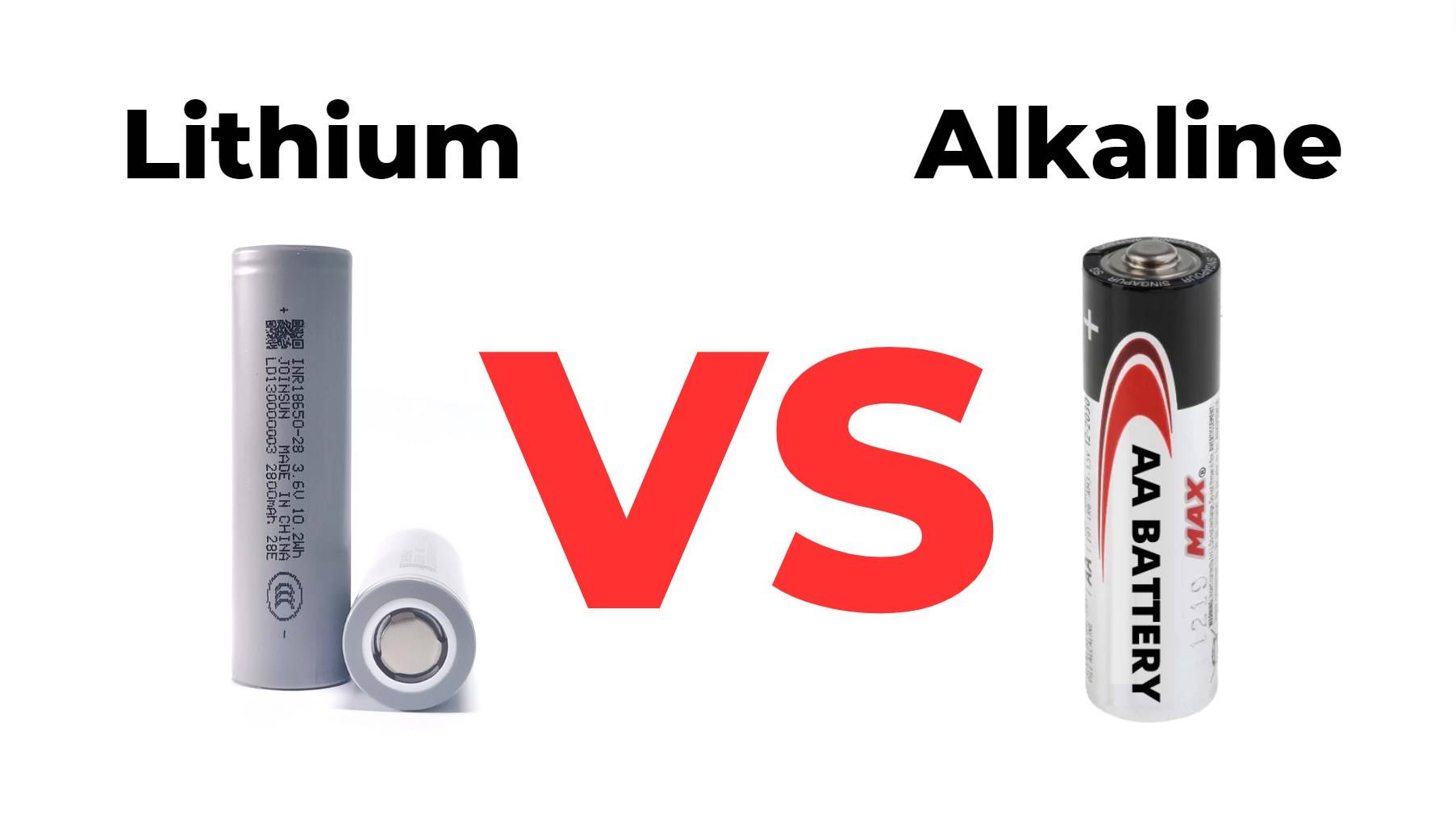
Table of Contents
ToggleWhat Are the Key Differences Between Lithium and Alkaline Batteries?
Lithium batteries typically offer higher energy density, allowing them to store more energy in a smaller size compared to alkaline batteries. This results in longer-lasting power for devices requiring high energy output.Chart: Comparison of Key Features
| Feature | Lithium Batteries | Alkaline Batteries |
|---|---|---|
| Energy Density | Higher | Lower |
| Lifespan | Longer (up to 10 years) | Shorter (0.5 – 1 year) |
| Temperature Tolerance | Better performance in extremes | Sensitive to temperature variations |
| Cost | Higher upfront cost | Lower initial cost |
How Do Lithium and Alkaline Batteries Compare in Terms of Lifespan?
Lithium batteries generally have a lifespan of 4 to 8 years, while alkaline batteries last about 0.5 to 1 year under normal usage conditions. This makes lithium batteries more suitable for devices with high energy demands or infrequent battery replacement.
What Are the Cost Implications of Choosing Lithium Over Alkaline Batteries?
While lithium batteries have a higher initial cost (around $5 to $10 per cell), their longevity often makes them more cost-effective over time compared to alkaline batteries, which typically cost $0.50 to $1 but require frequent replacements.Chart: Cost Analysis Over Time
| Battery Type | Initial Cost per Cell | Average Lifespan (Years) | Total Cost Over 5 Years |
|---|---|---|---|
| Lithium | $7 | 8 | $7 |
| Alkaline | $0.75 | 0.75 | $30 |
How Do Temperature and Environment Affect Battery Performance?
Lithium batteries perform well in extreme temperatures, making them ideal for outdoor applications, while alkaline batteries may struggle in cold or hot conditions, leading to reduced performance.
What Applications Are Best Suited for Lithium Batteries?
Lithium batteries are best suited for high-drain devices such as:
- Digital cameras
- Laptops
- Power tools
These applications benefit from lithium’s superior energy density and longevity.
What Applications Are Best Suited for Alkaline Batteries?
Alkaline batteries work effectively in low-drain devices like:
- Remote controls
- Wall clocks
- Flashlights
Their lower initial cost makes them suitable for these applications where frequent battery changes are manageable.
How Do Environmental Impacts Differ Between Lithium and Alkaline Batteries?
Lithium battery production has a higher carbon footprint due to mining processes but offers recycling potential that reduces waste over time. In contrast, alkaline batteries are single-use with less environmental impact during production but contribute significantly to landfill waste.
What Are the Safety Considerations for Lithium and Alkaline Batteries?
Safety concerns differ; lithium batteries can pose risks of overheating or fire if damaged or improperly handled, while alkaline batteries are generally safer but can leak hazardous materials if disposed of incorrectly.
What Are the Recycling Options for Lithium and Alkaline Batteries?
Recycling options vary; lithium batteries can often be recycled through specialized facilities that handle hazardous materials, while alkaline batteries may be recycled through municipal programs or disposed of as regular waste in many regions.
How Do Self-Discharge Rates Compare Between Lithium and Alkaline Batteries?
Lithium batteries have a lower self-discharge rate than alkaline batteries, meaning they retain their charge longer when not in use. This characteristic makes lithium ideal for devices that are used infrequently.
What Are the Chemical Differences Between Lithium and Alkaline Batteries?
The chemical composition differs significantly; lithium batteries typically use lithium cobalt oxide or lithium iron phosphate as cathodes, while alkaline batteries utilize zinc manganese dioxide. These differences impact performance characteristics such as voltage output and energy density.
Expert Views
“Choosing between lithium and alkaline batteries hinges on understanding your specific needs,” states Dr. Rachel Adams, an energy storage specialist. “For high-drain applications requiring longevity, lithium is often the superior choice despite its higher upfront costs.”
FAQ Section
- Which battery type lasts longer?
- Generally, lithium batteries last significantly longer than alkaline batteries.
- Are lithium batteries worth the higher cost?
- Yes, especially for high-drain devices where their longevity offsets initial costs.
- Can I recycle both types of batteries?
- Yes, but recycling options vary; check local guidelines for proper disposal methods.