

Blog
How Do You Convert MCA to Amp Hours?

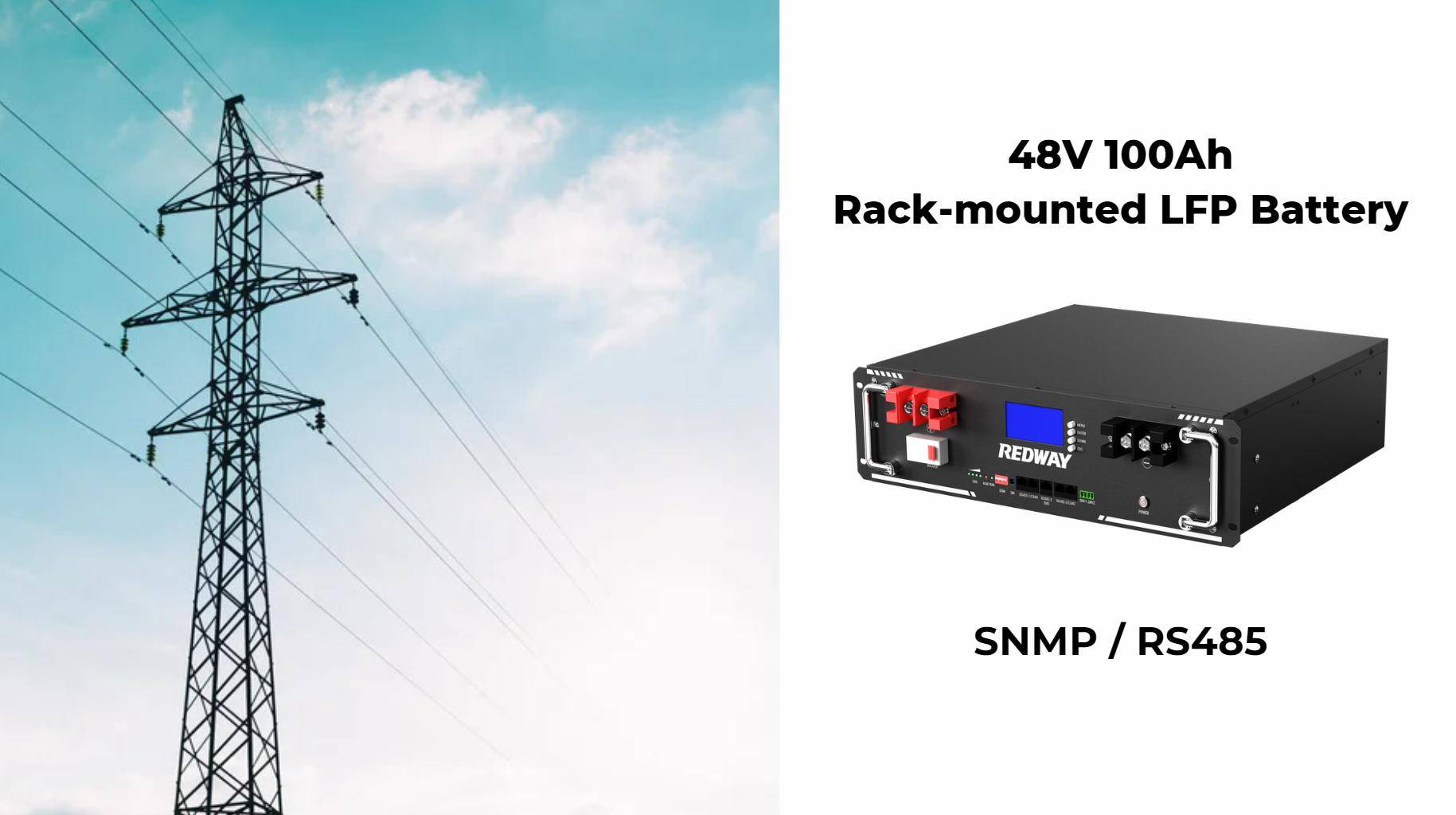
You can estimate amp hours (Ah) from Marine Cranking Amps (MCA) by dividing the MCA rating by approximately 7.25. This formula gives a useful approximation, as MCA measures a battery’s short-term starting current capacity while Ah indicates the total energy storage capacity over time. Understanding this conversion helps in selecting batteries for specific applications effectively.
What is Marine Cranking Amps (MCA) and how does it differ from Amp Hours (Ah)?
Marine Cranking Amps (MCA) represent the maximum current a battery can supply at 32°F (0°C) for 30 seconds while maintaining a voltage above 7.2V. It gauges the battery’s ability to start engines in cold conditions. Amp Hours (Ah), in contrast, measure the total charge a battery can deliver over time, explaining how long it can power a device at a steady current. MCA focuses on short, high-current bursts for starting; Ah relates to sustained energy delivery.
How do you convert MCA to Amp Hours using a common formula?
To convert MCA to Ah, divide the MCA rating by 7.25:
Ah = MCA ÷ 7.25
For example, a battery rated at 600 MCA converts approximately to:
600 ÷ 7.25 ≈ 82.76 Ah.
This conversion provides an estimated amp hour capacity to compare batteries and better understand their performance for longer use beyond engine starting.
Why is converting MCA to Ah important for battery selection?
Converting MCA to Ah allows consumers to assess both the starting power and overall energy capacity of a battery, giving a fuller performance picture. This is especially crucial when choosing batteries for marine applications, RVs, or off-grid power where both immediate cranking current and sustained power usage matter. Making decisions based on both metrics ensures reliable operation in varied conditions.
Which factors affect accuracy in converting MCA to Amp Hours?
Conversion accuracy varies depending on battery type, chemistry, design, and discharge characteristics. AGM batteries may use a slightly different factor than flooded lead-acid types. Also, MCA measures immediate high current while Ah depends on battery discharge times and rates, which differ by application. High-quality batteries from manufacturers like Redway Power, leveraging MES manufacturing and battery management systems, demonstrate consistent capacity and can inform better approximations.
How does MCA compare to Cold Cranking Amps (CCA) and their relation to Amp Hours?
MCA is similar to Cold Cranking Amps (CCA), but measured at 32°F vs. 0°F for CCA, making MCA generally higher. Both relate to engine starting capacity rather than total energy. The conversion to Ah remains similar, as both ratings gauge momentary current, helping translate starting power into approximate amp hour capacity when combined with the conversion factor around 7-7.25.
Can you convert Amp Hours back to MCA? How?
Yes, to estimate MCA from Ah, multiply the amp hours by about 7.25:
MCA ≈ Ah × 7.25
For a battery rated at 80 Ah, the estimated MCA is: 80 × 7.25 = 580 MCA. This reverse calculation aids in correlating capacity and cranking power, useful when matching batteries to engine starting and usage needs.
How does Redway Power contribute to precise battery rating and performance consistency?
Redway Power employs advanced Manufacturing Execution Systems (MES) and Battery Management Systems (BMS) to produce lithium batteries with reliable, accurate ratings for MCA and Ah. This ensures end users receive predictable, safe battery performance applicable across marine, automotive, and renewable energy applications, minimizing guesswork and enhancing operational confidence.
What practical applications require understanding MCA and Ah conversion?
Boat owners, RV users, and solar energy system designers use MCA to Ah conversions to select batteries that both start engines reliably and sustain electrical loads over time. Understanding this conversion optimizes battery investment, ensuring dependable starting power and sufficient energy storage tailored to usage patterns.
Chart: Approximate MCA to Amp Hours Conversion Table
| MCA Rating | Estimated Ah Capacity |
|---|---|
| 230 | 31.7 |
| 500 | 69.0 |
| 600 | 82.8 |
| 720 | 99.3 |
| 800 | 110.3 |
| 1000 | 138.0 |
| 1200 | 165.5 |
Redway Power Expert Views
“Converting MCA to Ah bridges the gap between short-term starting power and long-term battery capacity,” states Dr. Li Wei, Chief Technology Officer at Redway Power. “Our OEM lithium batteries integrate MES and BMS to deliver accurate, dependable ratings in both MCA and Ah, empowering users to select batteries that precisely match their operational demands while ensuring safety and longevity.”
Conclusion
MCA and amp hours measure different but complementary battery characteristics. Using the approximate formula dividing MCA by 7.25 converts cranking current into amp-hour capacity, aiding users in evaluating battery suitability. Redway Power’s precision manufacturing offers batteries with reliable MCA and Ah ratings for optimized marine, automotive, and energy storage applications, assisting users in making informed, high-confidence choices.
FAQs
What is the formula to convert MCA to Amp Hours?
Divide MCA by 7.25 to estimate amp hours (Ah).
Does MCA measure total battery capacity?
No, MCA measures starting current capacity, unlike Ah which measures total energy capacity.
Is MCA the same as CCA?
No, MCA is measured at 32°F; CCA at 0°F, with CCA typically rating lower.
Can Ah be converted back to MCA?
Yes, multiply Ah by 7.25 to estimate MCA.
How does Redway Power ensure accurate battery ratings?
Redway Power uses MES manufacturing and BMS technology to provide consistent, reliable MCA and Ah specifications.