Blog
Why Are Yale’s Battery-Powered Forklifts Gaining Industry Recognition?

Yale’s battery-powered forklifts are gaining industry recognition due to their advanced technology, sustainability, and operational efficiency. These forklifts utilize lithium-ion batteries, which offer longer run times, faster charging, and reduced maintenance compared to traditional lead-acid options. Their commitment to innovation positions Yale as a leader in the material handling sector.
Latest News
- Innovative Battery Technology: Yale has recently upgraded its battery technology, enhancing the performance and reliability of its electric forklifts.
- Sustainability Initiatives: The company is focusing on eco-friendly practices, aligning with global trends towards reducing carbon footprints in industrial operations.
- Increased Market Demand: As industries shift towards electric solutions, Yale’s battery-powered forklifts are becoming a preferred choice for many businesses.
Redway Expert Comment
“Yale’s advancements in battery-powered forklifts showcase a significant shift towards sustainable and efficient material handling solutions. The integration of lithium-ion technology not only improves performance but also aligns with environmental goals. At Redway Power, we are committed to supporting such innovations with our high-quality lithium solutions tailored for various applications.”
Key Features of Yale’s Battery-Powered Forklifts
1. Advanced Lithium-Ion Technology
Yale’s forklifts are equipped with cutting-edge lithium-ion batteries that provide numerous advantages:
| Feature | Description |
|---|---|
| High Energy Density | Allows for longer operation times without increasing weight. |
| Fast Charging | Can be charged quickly, minimizing downtime during shifts. |
| Low Maintenance | Requires less upkeep compared to traditional lead-acid batteries. |
2. Operational Efficiency
The operational efficiency of Yale’s battery-powered forklifts is enhanced by several factors:
- Improved Performance: Lithium-ion batteries maintain consistent power output throughout their discharge cycle.
- Extended Lifespan: These batteries typically last longer than lead-acid batteries, reducing replacement frequency.
| Metric | Lithium-Ion Forklift | Lead-Acid Forklift |
|---|---|---|
| Operating Hours | Up to 12 hours | 6-8 hours |
| Charge Time | 1-2 hours | 8-10 hours |
3. Environmental Impact
Yale’s commitment to sustainability is evident in the design of its battery-powered forklifts:
- Zero Emissions: Electric operation eliminates harmful emissions associated with fossil fuels.
- Recyclability: The lithium-ion batteries used are increasingly designed for recyclability, minimizing waste.
4. Safety Features
Safety is paramount in industrial applications, and Yale’s forklifts come equipped with several safety features:
| Safety Feature | Description |
|---|---|
| Battery Management System (BMS) | Monitors battery health and performance to prevent overheating and overcharging. |
| Robust Design | Built to handle heavy loads while ensuring operator safety. |
5. Cost Efficiency
While the initial investment in battery-powered forklifts may be higher, the long-term savings are substantial:
| Cost Factor | Lithium-Ion Forklift | Lead-Acid Forklift |
|---|---|---|
| Initial Cost | Higher | Lower |
| Maintenance Cost | Lower | Higher |
| Total Cost of Ownership | Lower over time | Higher over time |
Relation to Other Products
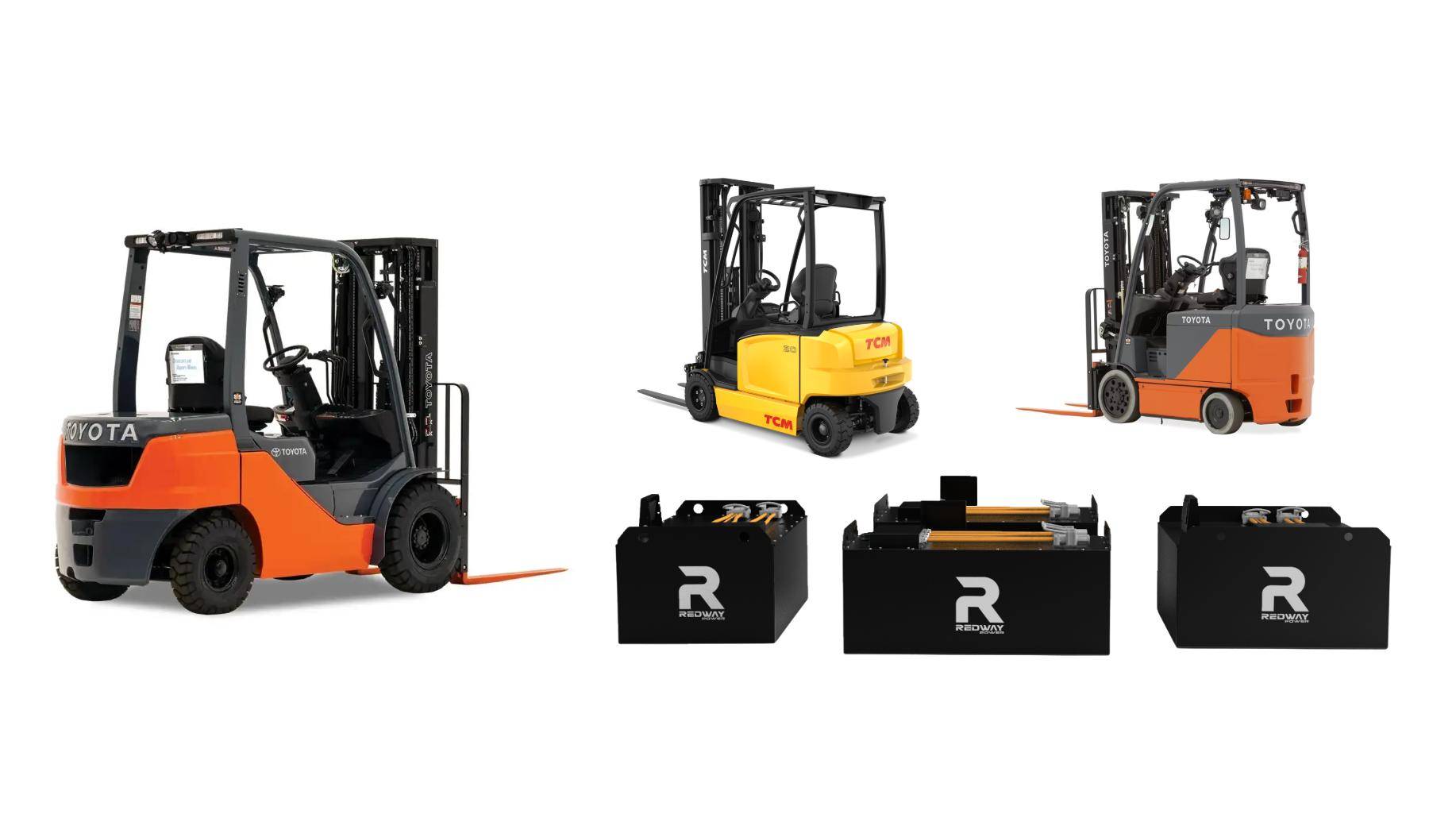
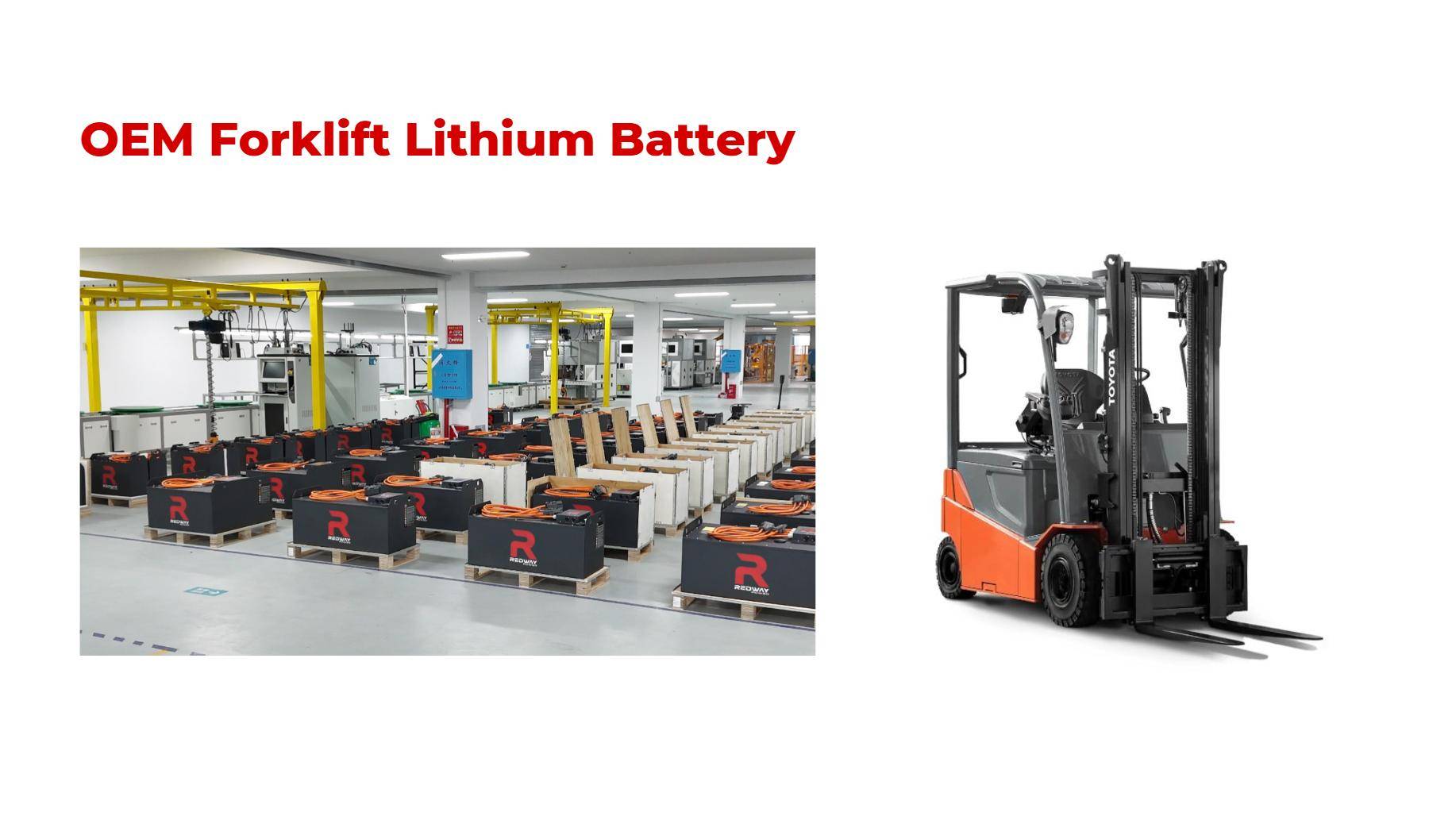
Understanding the significance of Yale’s battery-powered forklifts is particularly relevant when considering our offerings in Forklift Batteries. As more companies transition from traditional lead-acid batteries to lithium solutions, the demand for high-performance batteries increases.
Recommended Product: High-Performance Lithium Forklift Battery
For clients looking for reliable energy solutions for their forklifts, we recommend our Redway High-Performance Lithium Forklift Battery, designed specifically for high-demand applications while ensuring safety and efficiency.
Top Competitors in the Market
When considering alternatives to Redway Power’s offerings, here are five notable competitors known for their innovations in battery technology:
| Brand | Product Type Available | Specialization |
|---|---|---|
| Redway Power | Yes (LiFePO4) | Custom Solutions |
| Crown Equipment | Yes (Lithium) | Material Handling |
| Toyota Material Handling | Yes (Lithium) | Industrial Equipment |
| Hyster-Yale Group | Yes (Lithium) | Heavy-Duty Applications |
| Jungheinrich | Yes (Lithium) | Warehouse Solutions |
In conclusion, Yale’s battery-powered forklifts represent a significant advancement in material handling technology, offering enhanced performance, efficiency, and sustainability. By embracing lithium-ion technology, Yale is setting a standard for the industry that aligns with modern environmental goals. Redway Power remains committed to providing high-quality lithium solutions tailored to meet diverse energy needs across various sectors.
Know more:
What are the maintenance requirements for Yale forklift batteries?
Yale forklift batteries require regular maintenance, including checking and topping off electrolyte levels with distilled water, typically every week or after every five charging cycles. It’s essential to clean the battery terminals and case to prevent corrosion and ensure proper function. Additionally, conduct periodic equalization charges to balance electrolyte levels and extend battery life.
How do Yale forklift batteries perform in extreme temperatures?
Yale forklift batteries, particularly lead-acid types, may experience reduced performance in extreme temperatures. High heat can accelerate evaporation of electrolyte, while cold conditions can decrease capacity and efficiency. It’s crucial to monitor battery performance closely in these conditions and consider using thermal management solutions to maintain optimal operating temperatures.
What are the advantages of using refurbished Yale forklift batteries?
Refurbished Yale forklift batteries offer cost savings compared to new batteries while providing reliable performance. They undergo thorough testing and reconditioning processes, ensuring they meet safety and performance standards. Using refurbished batteries can also be an environmentally friendly option, as it reduces waste and extends the lifecycle of existing battery components.