Blog
How Do You Choose the Right Voltage for Your Forklift Battery?

Selecting the appropriate voltage for your forklift battery is crucial for ensuring optimal performance and efficiency in material handling operations. The most common voltages include 12V, 24V, 36V, and 48V batteries, each serving different applications based on power requirements.
What Are the Common Forklift Battery Voltages?
Forklifts typically utilize batteries ranging from 12 volts to over 80 volts, with 12V, 24V, 36V, and 48V being among the most common configurations used in various industrial applications.Chart: Common Forklift Battery Voltages
| Voltage | Common Applications | Typical Capacity (Ah) |
|---|---|---|
| 12V | Small equipment (e.g., pallet jacks) | Up to 200 |
| 24V | Light-duty forklifts | Up to 600 |
| 36V | Medium-duty forklifts | Up to 800 |
| 48V | Heavy-duty forklifts | Up to 1000 |
How Do Different Voltages Affect Performance?
Battery voltage directly impacts forklift power output, runtime, and efficiency. Higher voltages deliver more power, enabling forklifts to lift heavier loads and operate longer between charges. Low-voltage batteries suit lighter tasks but may have shorter cycle times and slower charging. Selecting the correct voltage ensures optimal forklift performance, energy use, and operational reliability based on workload and equipment specifications.
The voltage of a forklift battery significantly influences its performance capabilities:
- Power Output: Higher voltage systems can deliver more power, enabling forklifts to handle heavier loads more efficiently.
- Cycle Time: Higher voltage batteries often allow for longer operational periods between charges, reducing downtime.
- Charging Time: Higher voltage systems typically charge faster, which can improve overall operational efficiency.
What Are the Advantages of Using Higher Voltage Batteries?
Higher voltage batteries provide greater power and longer run times, improving forklift efficiency in heavy-duty applications. They often charge faster and reduce downtime. These batteries can be lighter and more compact, enhancing maneuverability. Although upfront costs may be higher, the improved performance and reduced operational interruptions offer significant long-term savings.
Using higher voltage batteries offers several advantages:
- Increased Efficiency: Higher voltage allows forklifts to operate more efficiently under load.
- Reduced Downtime: Longer run times between charges mean less time spent recharging.
- Improved Power Delivery: Higher voltage systems can provide better acceleration and lifting capabilities.
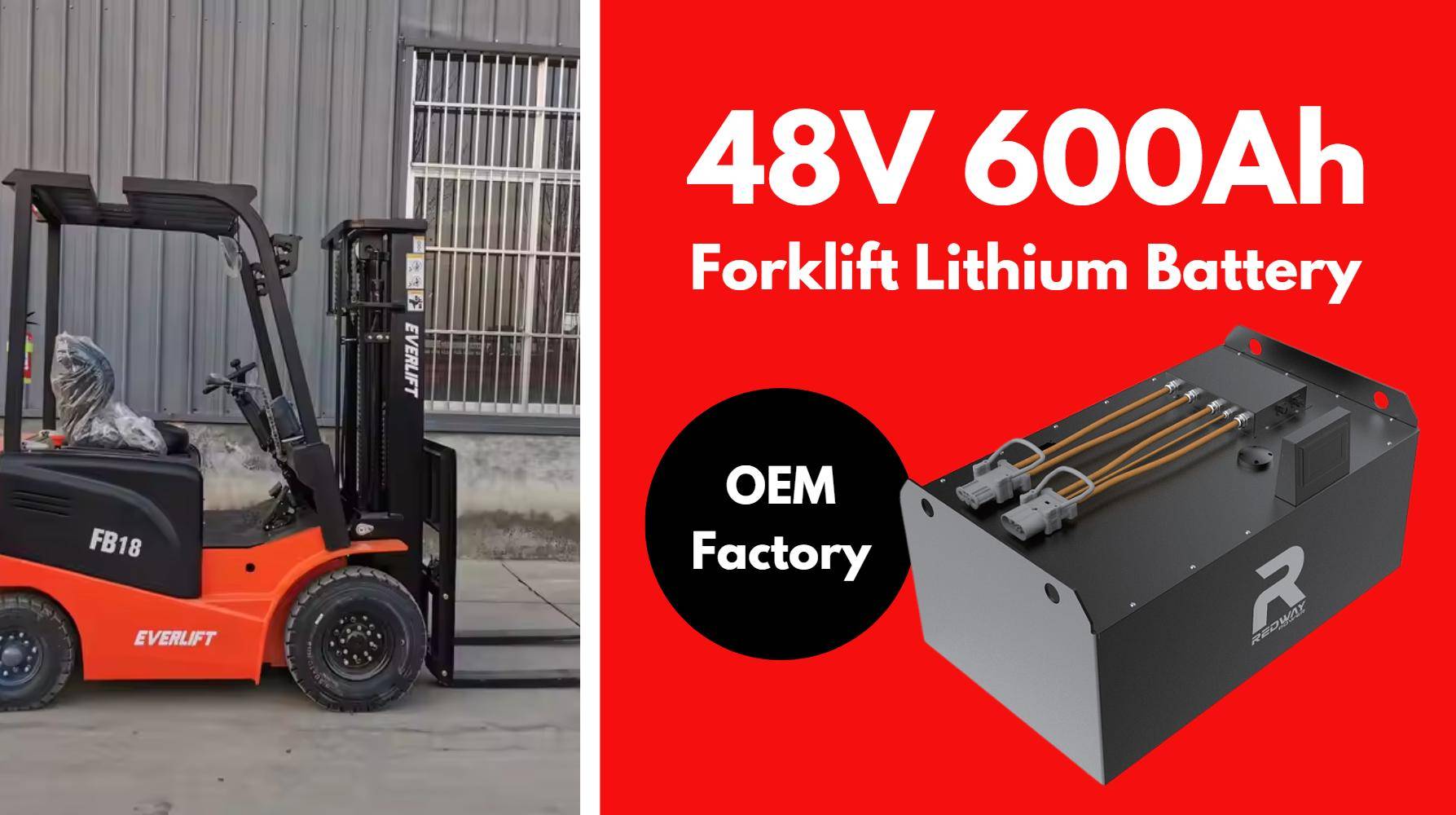
What Is a 48V Forklift Battery and Its Benefits?
A 48V forklift battery delivers a balanced mix of power and runtime for medium to heavy-duty forklifts. It supports longer shifts and heavier loads than lower voltage options. These batteries often feature sealed designs for low maintenance and faster charging, making them suitable for warehouses and manufacturing environments requiring reliable, continuous operation.
A 48V forklift battery is designed for heavy-duty applications where high power output is necessary.Benefits include:
- Enhanced performance in heavy lifting tasks.
- Longer operational hours with fewer charging cycles.
- Compatibility with advanced electric forklifts that require higher power inputs.
What Is a 36V Lithium-Ion Forklift Battery?
A 36V lithium-ion forklift battery powers mid-sized forklifts, offering fast charging and long cycle life. It provides stable voltage for consistent performance and supports multi-shift operations with opportunity charging. Lightweight and maintenance-free, it suits narrow aisle trucks and three-wheel sit-down forklifts used in warehouses and logistics centers.
A 36V lithium-ion forklift battery provides efficient energy storage with fast charging capabilities. Key features include:
- Longer lifespan compared to lead-acid batteries.
- Reduced maintenance needs due to no watering requirements.
- Faster charging times which enhance productivity.
What Are Lead Acid Batteries and Their Key Features?
Lead acid batteries use liquid electrolyte and lead plates to store energy. Key features include low upfront cost, proven reliability, and widespread availability. They require regular maintenance like watering and equalizing charges. These batteries are heavier, have slower charging times, and shorter cycle life compared to lithium-ion options, but remain common in many forklift applications.
Lead-acid batteries are traditional power sources used in many industrial applications. Key features include:
- Cost-effective initial investment.
- Reliable performance but require regular maintenance.
- Lifespan typically ranges from 1,000 to 1,500 cycles, depending on usage.
What Are Typical Applications for 12 Volt Batteries?
12V batteries are ideal for small forklifts and light-duty equipment like pallet jacks and walkie stackers. They provide sufficient power for low-load, short-duration tasks in small warehouses or retail environments. Their simplicity and cost-effectiveness make them suitable where heavy lifting or extended runtime is not required.
12 volt batteries are commonly used in smaller equipment such as:
- Pallet jacks.
- Order pickers.
- Small electric vehicles.
Due to their lower capacity, they are ideal for lighter-duty applications.
How Does Temperature Affect Forklift Battery Performance?
Extreme temperatures impact battery efficiency and lifespan. Cold reduces capacity and slows chemical reactions, lowering runtime. Heat accelerates battery degradation and can cause safety risks. Proper temperature control and ventilation are essential to maintain optimal performance, prevent damage, and extend battery life in varying environments.
Temperature has a significant impact on battery performance:
- Cold Temperatures: Can reduce capacity and efficiency.
- High Temperatures: May accelerate wear and reduce lifespan.
Maintaining an optimal operating temperature is essential for prolonging battery life.
Can You Use Different Voltage Batteries in One Forklift?
Using batteries with different voltages in one forklift is generally not recommended. Voltage mismatches can cause poor performance, damage electrical components, and void warranties. Always use batteries specified by the forklift manufacturer to ensure safety, compatibility, and optimal operation.
It is not advisable to mix different voltage batteries within one forklift as it can lead to electrical issues or damage both the battery and the vehicle itself. Always consult manufacturer specifications when selecting batteries.
What Maintenance Practices Extend Battery Life?
Extend battery life by following proper charging routines, avoiding deep discharges, and keeping terminals clean and dry. For lead-acid batteries, regularly check electrolyte levels and perform equalizing charges. Store batteries in moderate temperatures and use compatible chargers. Monitoring battery health and adhering to manufacturer guidelines ensures reliable, long-lasting performance.
To ensure longevity and reliability of your forklift batteries:
- Regularly check water levels in lead-acid batteries.
- Keep terminals clean from corrosion.
- Charge batteries fully after each use.
- Monitor temperature during operation.
Expert Views
“Understanding your operational needs is key when selecting forklift batteries,” says an expert from Redway. “Choosing the right voltage not only enhances performance but also contributes significantly to overall efficiency in material handling operations.”
Conclusion
In conclusion, selecting the right voltage for your forklift battery is crucial for maximizing performance and ensuring efficient operations within your facility. By understanding the differences between various voltages—such as 12 volt, 24 volt, 36 volt, and 48 volt—you can make informed decisions that align with your specific needs.
FAQ Section
- How long do forklift batteries typically last?
Forklift batteries usually last between 5 to 7 years, depending on usage patterns and maintenance practices. - Are there financing options available for buying forklift batteries?
Yes, many suppliers offer financing options or leasing arrangements that can help manage upfront costs. - What is the most cost-effective type of forklift battery?
Lead-acid batteries are generally considered more cost-effective initially; however, lithium-ion batteries may provide better value over time due to their longer lifespan and lower maintenance needs.