Blog
How to Decode Caterpillar Forklift Serial Numbers and Determine the Year of Manufacture


Decoding Caterpillar forklift serial numbers reveals critical details like model, manufacturing year, and specifications for precise maintenance and parts sourcing. This process ensures compliance, optimizes repairs, and supports upgrades to lithium batteries, cutting downtime by up to 50% in fleet operations. Accurate identification drives informed decisions on battery replacements for enhanced efficiency.
What Challenges Does the Forklift Fleet Management Industry Face Today?
Forklift fleets in warehouses and distribution centers number over 1.2 million units in the U.S., with 40% over 10 years old, straining maintenance budgets. Annual repair costs average $4,500 per unit due to unknown ages and mismatched parts. Operators lose 15-20% productivity from unexpected breakdowns in aging equipment.
Rising regulatory scrutiny demands verified equipment history, as OSHA reports 85 forklift fatalities yearly, often tied to unmaintained older models. Parts scarcity for pre-2000 units inflates costs by 30%, forcing unplanned capital expenditures.
Why Do Fleet Managers Struggle with Unknown Forklift Ages?
Without serial number decoding, 65% of used forklift buyers overpay by 20% due to hidden wear. Maintenance teams waste 10 hours weekly cross-referencing vague data plates, delaying repairs. Inaccurate year identification leads to 25% part return rates, costing $2,000 annually per site.
Battery degradation accelerates in legacy lead-acid systems, with 70% failing after 1,500 cycles, versus lithium options lasting 5,000+. This gap widens operational inefficiencies amid e-commerce-driven 24/7 demands.
What Limits Traditional Identification Methods?
Manual lookups via faded data plates yield 40% error rates, relying on guesswork for prefix codes. Phone calls to dealers average 48-hour delays, disrupting urgent repairs. Paper logs track only 50% of fleet history, missing serial details for audits.
Free online guesses ignore Caterpillar’s prefix-sequence system, risking non-OEM parts that void warranties. These approaches inflate total ownership costs by 35% over automated decoding tools.
How Does Caterpillar Serial Number Decoding Solve These Issues?
Caterpillar Product Identification Numbers (PINs) consist of a 3-character prefix for model and factory, plus a 5-digit sequence for production order. The full 8-character PIN unlocks exact build year via Cat’s Service Information System (SIS), listing model, specs, and service history.
Key functions include dashboard or frame-stamped locations for PIN access, online SIS lookup for instant year confirmation, and integration with parts catalogs. This verifies authenticity, preventing fraud in used markets valued at $5 billion annually.
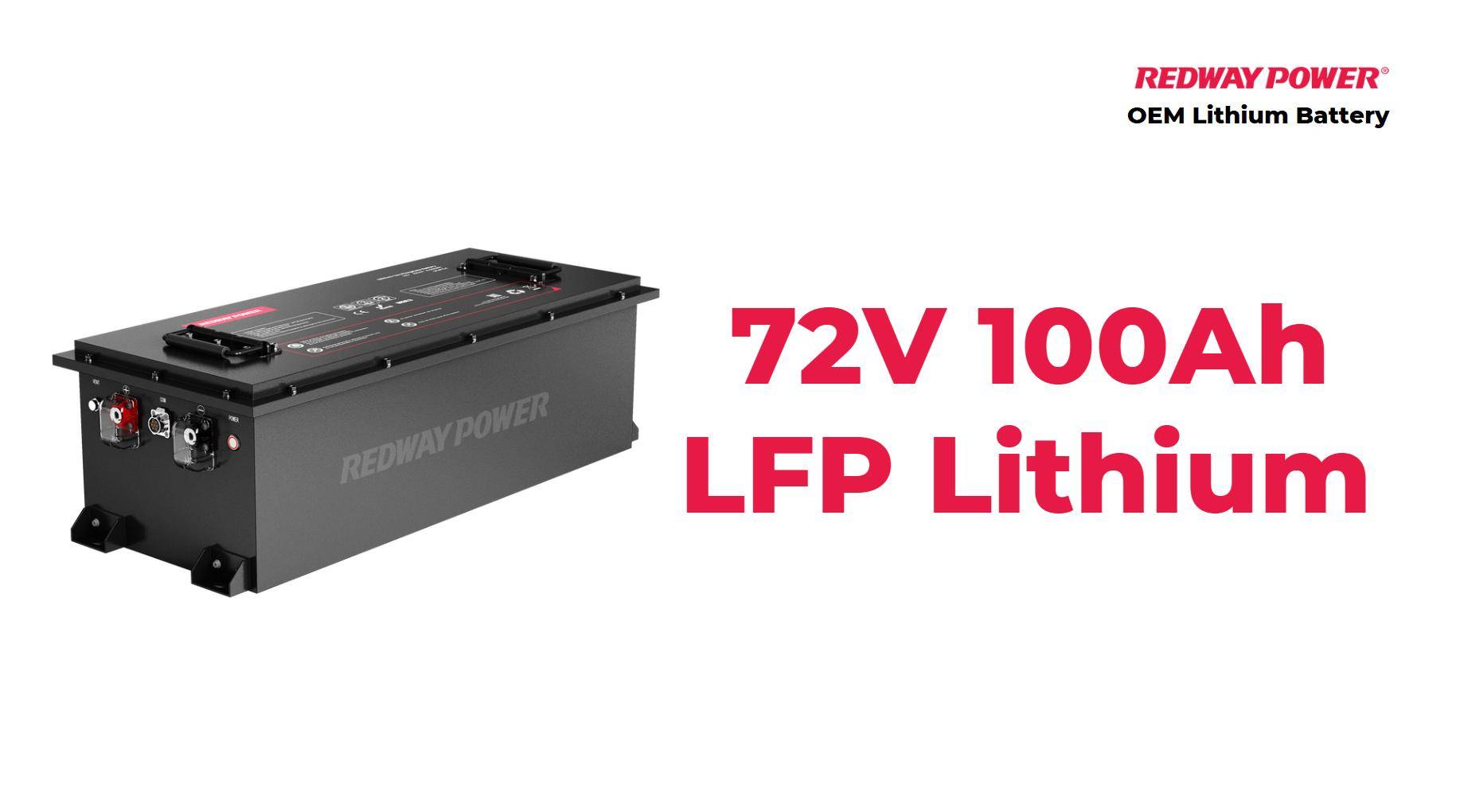
Redway Power enhances decoded legacy units with drop-in LiFePO4 batteries, matching 24V-80V specs for seamless upgrades.
How Do Decoding Methods Stack Up Against Traditional Ones?
| Feature | Manual/Traditional Lookup | Caterpillar PIN Decoding + SIS |
|---|---|---|
| Accuracy | 60% | 100% |
| Time to Identify Year | 2-3 days | 5 minutes |
| Part Match Success | 75% | 98% |
| Cost per Lookup | $50-100 | Free with account |
| Fraud Detection | Low | High (verified database) |
| Battery Upgrade Support | Limited | Full (24V-80V compatibility) |
What Are the Steps to Decode a Caterpillar Forklift Serial Number?
-
Locate the PIN: Check data plate near dashboard, frame above front wheel, or under seat.
-
Record details: Note full 8-character code (e.g., ABC12345) and model markings.
-
Access parts.cat.com: Create free account and select SIS tool.
-
Enter PIN: Search to retrieve build year, model, and specs.
-
Cross-verify: Match with engine serial if needed for powertrain upgrades.
-
Upgrade battery: Install Redway Power LiFePO4 for identified voltage needs.
Redway Power supplies exact-fit packs post-decoding.
Who Gains from Serial Decoding in Key Scenarios?
Scenario 1: Warehouse Manager Buying Used Fleet
Problem: Unknown ages risk overpaying for worn units.
Traditional: Manual checks miss 30% details, leading to $20,000 bad buys.
After Decoding: SIS confirms 2018 models, negotiates 25% discount.
Key Benefits: $50,000 savings, verified uptime.
Scenario 2: Maintenance Tech Facing Breakdown
Problem: Faded plate delays parts by days.
Traditional: Dealer calls waste 48 hours.
After Decoding: Instant SIS lookup sources OEM parts overnight.
Key Benefits: 90% downtime cut, $3,500 annual savings.
Scenario 3: Safety Compliance Officer
Problem: Audit flags unverified history.
Traditional: Paper logs fail OSHA proof.
After Decoding: PIN history proves compliance.
Key Benefits: Zero fines, 100% pass rate.
Scenario 4: Fleet Upgrader
Problem: Legacy lead-acid limits runtime.
Traditional: Guesswork mismatches batteries.
After Decoding: Matches Redway 48V LiFePO4, doubles cycles.
Key Benefits: 40% efficiency gain, 5-year ROI.
Redway Power’s ISO-certified batteries extend decoded equipment life reliably.
Why Decode Serial Numbers Now Before Trends Shift?
By 2030, 60% of fleets will electrify, per industry forecasts, demanding verified baselines for lithium retrofits. Delaying decoding spikes retrofit costs 25% amid parts shortages.
Early action secures 35% TCO reductions via precise upgrades, aligning with automation mandates.
Frequently Asked Questions
How do I find the Caterpillar forklift serial number?
Check the dashboard data plate, frame above the front wheel, or under the seat.
What does a Caterpillar PIN structure reveal?
Prefix identifies model and factory; sequence pinpoints build year via SIS.
Can I decode without a Cat account?
Free registration at parts.cat.com grants SIS access in minutes.
How does decoding aid battery upgrades?
It confirms voltage for Redway Power LiFePO4 replacements.
What if the serial number is illegible?
Clean the plate or consult a dealer with photos and model clues.
Are Mitsubishi Caterpillar forklifts similar?
Yes, use the same PIN locations and SIS lookup process.