

Blog
How Do Pallet Jacks, Walkie Stackers, and Electric Hand Trucks Improve Efficiency?

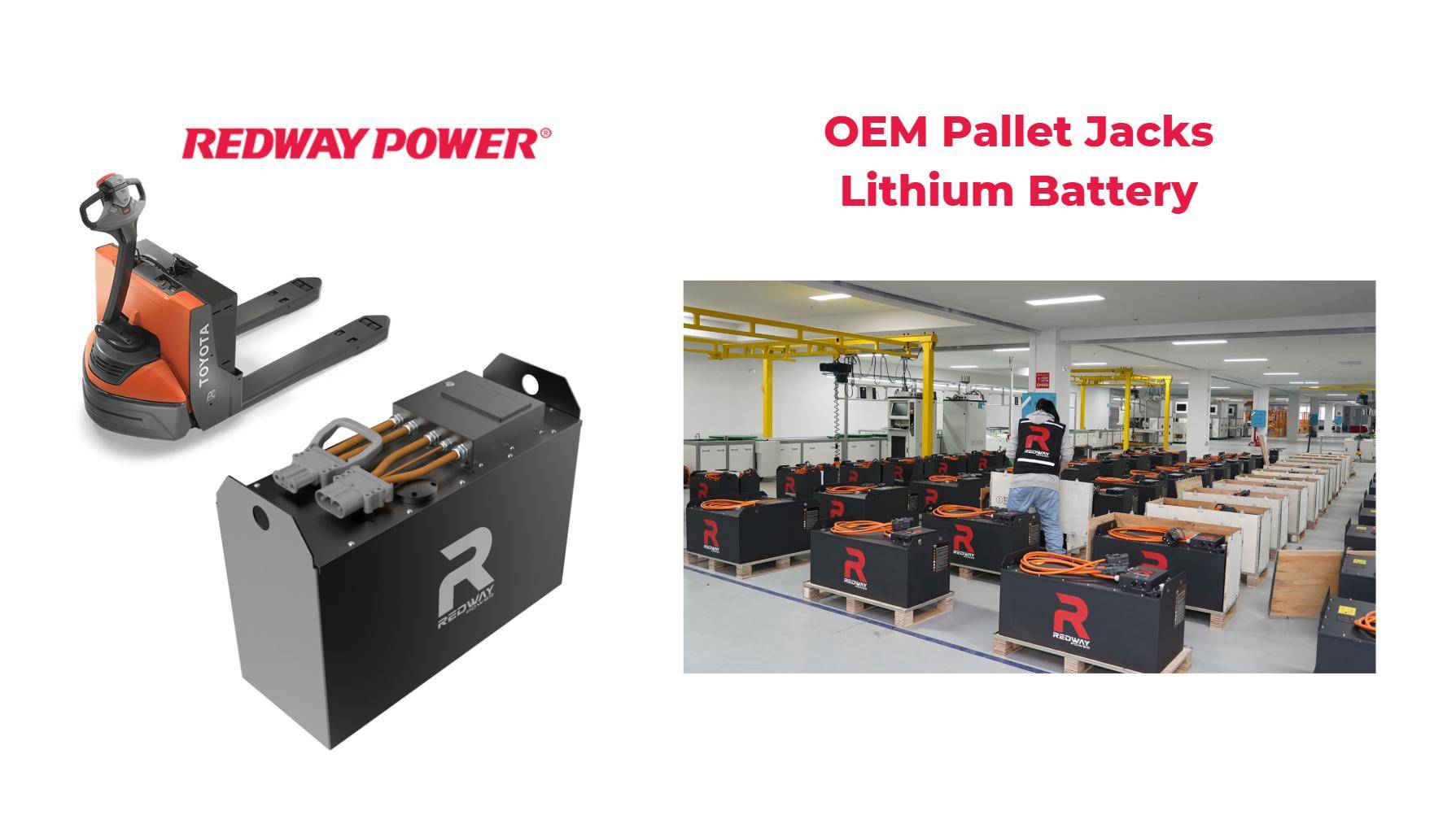
Pallet jacks, walkie stackers, order pickers, and electric motor hand trucks are essential tools in material handling that enhance operational efficiency across various industries. They simplify the movement and management of heavy loads, making processes faster and safer.
What Are Pallet Jacks, Walkie Stackers, Order Pickers, and Electric Motor Hand Trucks?
Pallet jacks are manual or electric devices designed to lift and move pallets within a warehouse or storage facility. Walkie stackers are similar but can lift pallets to greater heights for stacking purposes. Order pickers allow operators to retrieve items from shelves at various heights while electric motor hand trucks provide powered assistance in transporting heavy loads.
What Key Features Should You Look for in Material Handling Equipment?
Look for ergonomic design and simple controls to reduce operator fatigue and errors. Equipment should offer durability, safety features, and adaptability to various load sizes. Efficient maneuverability, load capacity, and compatibility with your workspace are essential. Advanced features like automation capabilities and real-time monitoring can enhance productivity and reduce manual labor risks.
When selecting material handling equipment like pallet jacks or electric motor hand trucks, consider features such as:
- Load capacity: Ensure it meets your operational needs.
- Battery life: For electric models, longer battery life enhances productivity.
- Maneuverability: Compact designs allow easier navigation in tight spaces.
Chart Title: Comparison of Key Features in Material Handling Equipment
| Equipment Type | Load Capacity | Battery Life | Maneuverability |
|---|---|---|---|
| Pallet Jack | Up to 5,000 lbs | N/A | Moderate |
| Walkie Stacker | Up to 3,000 lbs | 6-8 hours | High |
| Order Picker | Up to 4,000 lbs | 8 hours | Moderate |
| Electric Motor Hand Truck | Up to 1,500 lbs | 6-12 hours | Very High |
How Can You Ensure Safety When Operating These Tools?
Ensure safety by providing proper training to operators, enforcing the use of personal protective equipment (PPE), and following manufacturer guidelines. Regularly inspect equipment for wear or damage and maintain clear communication in the workspace. Implement safety protocols like speed limits and load capacity adherence to prevent accidents and injuries.
Safety is paramount when using material handling equipment. Operators should undergo training on equipment use and adhere to safety protocols such as:
- Wearing appropriate personal protective equipment (PPE).
- Conducting pre-operation checks on equipment.
- Maintaining clear communication with team members during operations.
Know more:
How Can Effective Warehouse Operations Enhance Logistics Solutions?
How Do Battery Technology and Sustainability Impact Forklift Operations?
What Are the Key Types and Benefits of Electric Forklifts?
How Do Pallet Jacks, Walkie Stackers, and Electric Hand Trucks Improve Efficiency?
How Do Different Types of Electric Forklifts Enhance Operational Efficiency?
In Which Industries Are These Tools Most Commonly Used?
Material handling equipment is widely used in warehousing, manufacturing, logistics, and construction industries. They facilitate movement and storage of goods in sectors such as automotive, food processing, retail, and heavy machinery, improving efficiency and safety in material transport and storage.
These tools find applications across various sectors including:
- Warehousing: For efficient storage and retrieval.
- Retail: In stock management and order fulfillment.
- Manufacturing: To move raw materials and finished products.
What Advantages Do These Tools Offer Over Traditional Methods?
These tools reduce manual labor and speed up processes by automating material movement. They improve workplace safety by minimizing injury risks and reduce product damage. Enhanced efficiency and productivity lower operational costs and enable better space utilization compared to manual handling.
Using modern material handling equipment provides several advantages:
- Increased efficiency: Reduces time spent on manual lifting.
- Enhanced safety: Minimizes the risk of injuries associated with manual handling.
- Cost-effectiveness: Lower operational costs compared to traditional forklifts.
Chart Title: Benefits Comparison Between Modern Equipment and Traditional Methods
| Advantage | Modern Equipment | Traditional Methods |
|---|---|---|
| Efficiency | High | Moderate |
| Safety | Enhanced | Riskier |
| Operational Cost | Lower | Higher |
How to Maintain Your Material Handling Equipment?
Maintain equipment through regular inspections, cleaning, and lubrication of moving parts. Schedule preventive maintenance and promptly repair worn or damaged components. Keep batteries charged and monitor hydraulic systems. Proper storage and operator training also extend equipment lifespan and ensure reliable performance.
Regular maintenance is crucial for ensuring longevity and performance:
- Inspect equipment daily before use.
- Schedule routine servicing based on usage frequency.
- Replace worn-out parts promptly.
What Are the Environmental Impacts of Using Electric Equipment?
Electric material handling equipment produces zero emissions during operation, improving indoor air quality and reducing carbon footprint. However, battery production and disposal have environmental impacts. Using lithium-ion batteries and recycling programs helps minimize ecological effects, supporting sustainable operations.
Electric material handling equipment contributes positively to environmental sustainability by:
- Reducing carbon emissions compared to gas-powered alternatives.
- Decreasing noise pollution in indoor environments.
Which Industries Benefit Most from Material Handling Equipment?
Industries like logistics, warehousing, manufacturing, and construction benefit greatly. These sectors handle large volumes of goods requiring efficient, safe, and timely movement. Material handling equipment enhances productivity, reduces labor costs, and supports complex supply chain operations.
Industries that heavily rely on these tools include:
- Logistics: For efficient distribution operations.
- Food & Beverage: Ensuring safe transport within facilities.
- Pharmaceuticals: Maintaining strict inventory control.
Expert Views
“Investing in modern material handling equipment not only enhances productivity but also ensures safety within operations,” says an expert from Redway. “As industries evolve towards sustainability, electric options play a pivotal role in reducing environmental footprints.”
Conclusion
Pallet jacks, walkie stackers, order pickers, and electric motor hand trucks are indispensable assets for any business involved in material handling. Their ability to improve efficiency while ensuring safety makes them critical components in modern supply chains.
FAQ Section
- What is the difference between a pallet jack and a walkie stacker?
A pallet jack is primarily used for moving pallets at ground level, while a walkie stacker can lift pallets higher for stacking purposes. - Are electric hand trucks suitable for outdoor use?
Yes, many electric hand trucks can be used outdoors on smooth surfaces; however, they are primarily designed for indoor applications. - How often should I maintain my material handling equipment?
Regular inspections should be conducted daily, with more thorough maintenance scheduled based on usage frequency.