

Blog
How Do Different Types of Electric Forklifts Enhance Operational Efficiency?

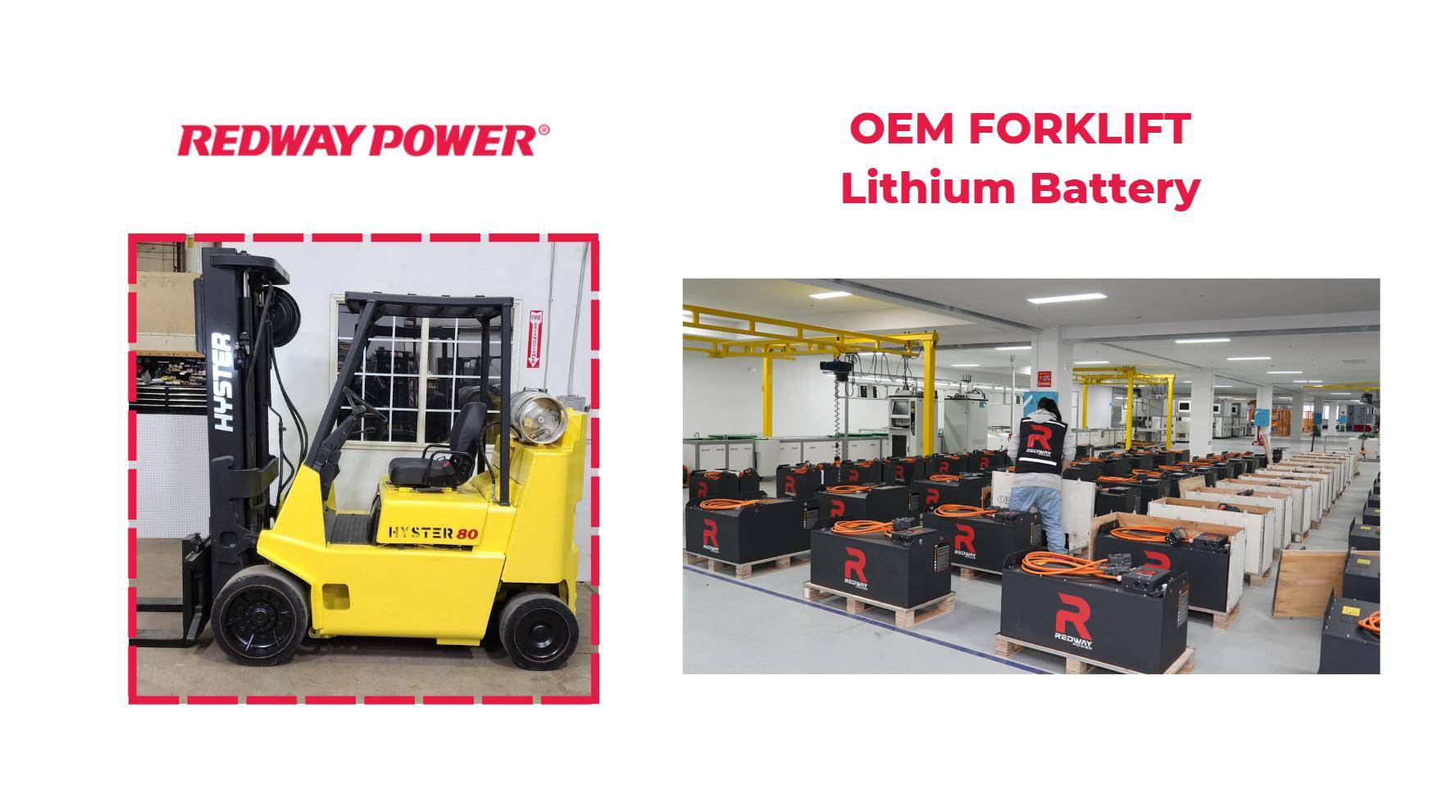
Electric forklifts are essential tools in modern logistics and warehousing, offering advantages such as reduced emissions, lower operating costs, and enhanced maneuverability. This article explores various types of electric forklifts—Narrow Aisle, Rough Terrain, Heavy-Duty, and Articulated—highlighting their unique features and applications.
What Are the Different Types of Electric Forklifts?
Electric forklifts are mainly classified into Class I, II, and III. Class I forklifts are electric motor rider trucks used for indoor pallet handling and loading. Class II are narrow aisle trucks like reach trucks, ideal for tight warehouse spaces. Class III includes electric hand or hand-rider trucks, such as pallet jacks, used for light-duty tasks and short-distance load movement. Each type suits specific operational needs and environments.
Electric forklifts can be categorized into several types based on their design and intended use:
- Narrow Aisle Forklift: Designed for tight spaces with limited maneuverability.
- Rough Terrain Electric Forklift: Built for outdoor use on uneven surfaces.
- Heavy-Duty Electric Forklift: Capable of handling heavy loads in industrial settings.
- Articulated Electric Forklift: Offers flexibility with a unique steering mechanism.
Chart Title: Comparison of Different Types of Electric Forklifts
| Type | Best For | Load Capacity | Maneuverability |
|---|---|---|---|
| Narrow Aisle | Indoor warehouses | Up to 3,000 lbs | High |
| Rough Terrain | Construction sites | Up to 5,000 lbs | Moderate |
| Heavy-Duty | Industrial applications | 10,000+ lbs | Low |
| Articulated | Tight spaces | Up to 4,000 lbs | Very High |
Why Choose Electric Forklifts Over Traditional Options?
Electric forklifts produce zero emissions, making them ideal for indoor use and improving air quality. They operate quietly, reducing noise pollution and enhancing worker comfort. Electric models have lower operating costs due to reduced fuel and maintenance needs. Their precise control and smooth operation increase safety and efficiency compared to diesel or LPG forklifts, especially in warehouses and food storage environments.
Electric forklifts offer numerous advantages over traditional gas or diesel models:
- Environmental Impact: Zero emissions contribute to cleaner air quality.
- Cost Efficiency: Lower fuel costs and reduced maintenance expenses lead to significant savings.
- Noise Reduction: Quieter operation is beneficial in noise-sensitive environments.
Chart Title: Benefits of Choosing Electric Over Gas/Diesel
| Benefit | Description |
|---|---|
| Environmental Sustainability | Zero emissions |
| Cost Savings | Lower operational costs |
| Noise Reduction | Quieter operation |
What Are the Key Applications for Each Type?
Class I electric forklifts are used for loading/unloading and pallet handling in warehouses and factories. Class II narrow aisle trucks maximize storage by operating in tight spaces and high racks. Class III hand trucks excel in light material handling like moving pallets over short distances or staging loads. Each type matches specific workflow demands, from heavy lifting to maneuvering in confined areas.
Each type of electric forklift has specific applications:
- Narrow Aisle: Ideal for warehouses with limited space.
- Rough Terrain: Suited for construction sites or outdoor environments.
- Heavy-Duty: Used in manufacturing plants handling heavy materials.
- Articulated: Perfect for navigating tight corners in storage areas.
Know more:
How Can Effective Warehouse Operations Enhance Logistics Solutions?
How Do Battery Technology and Sustainability Impact Forklift Operations?
What Are the Key Types and Benefits of Electric Forklifts?
How Do Pallet Jacks, Walkie Stackers, and Electric Hand Trucks Improve Efficiency?
How Do Different Types of Electric Forklifts Enhance Operational Efficiency?
How Do Maintenance Needs Vary Among Different Models?
Electric forklifts generally require less maintenance than internal combustion models. Class I and II trucks need regular battery care and occasional motor checks. Class III hand trucks have simpler maintenance due to fewer moving parts. Battery type affects upkeep: lithium-ion batteries need minimal care, while lead-acid batteries require watering and equalizing. Proper maintenance varies by model and battery technology.
Maintenance requirements can differ significantly based on forklift type:
- Narrow Aisle: Regular battery checks and tire maintenance.
- Rough Terrain: More frequent inspections due to exposure to harsh conditions.
- Heavy-Duty: Requires robust maintenance schedules due to heavy usage.
- Articulated: Regular checks on steering mechanisms are crucial.
How Do Battery Technologies Impact Performance?
Battery technology influences runtime, charging speed, and maintenance. Lithium-ion batteries offer fast charging, longer cycle life, and consistent power output, ideal for multi-shift operations. Lead-acid batteries have lower upfront costs but require longer recharge times and regular maintenance. Battery choice affects forklift availability, efficiency, and operational costs.
Battery technology plays a vital role in forklift performance:
- Lithium-Ion Batteries: Offer faster charging times and longer lifespans.
- Lead-Acid Batteries: More affordable but require regular maintenance.
What Are Safety Features to Consider in Electric Forklifts?
Look for integrated Battery Management Systems to prevent overcharge and overheating. Safety features include emergency stop buttons, operator presence sensors, and stability controls. Proper insulation and sealed batteries reduce electrical hazards. Forklifts should comply with OSHA and industry safety standards to protect operators and equipment.
Safety is paramount when selecting electric forklifts:
- Stability Systems: Prevent tipping during operation.
- Operator Protection Systems: Ensure driver safety through protective cages or enclosures.
How Can Businesses Optimize Their Fleet Management?
Optimize fleet management by tracking battery health and forklift usage with telematics. Schedule regular maintenance and charging to avoid downtime. Choose the right forklift types and battery technologies based on workload and environment. Training operators on efficient driving and battery care improves productivity and extends equipment life.
Effective fleet management strategies include:
- Regular training for operators on safety protocols.
- Implementing maintenance schedules based on usage patterns.
- Utilizing telematics for real-time monitoring of forklift performance.
Expert Views
“Electric forklifts are transforming how businesses operate by offering sustainable solutions that enhance productivity while reducing costs,” says an expert from Redway. “Investing in the right type can lead to significant long-term benefits.”
Conclusion
In summary, understanding the various types of electric forklifts—Narrow Aisle, Rough Terrain, Heavy-Duty, and Articulated—enables businesses to make informed decisions that enhance operational efficiency. By considering factors such as application needs, battery technology, safety features, and maintenance requirements, companies can optimize their fleet management strategies effectively.
FAQ Section
- What is a Narrow Aisle Forklift?
A Narrow Aisle Forklift is designed specifically for tight spaces within warehouses, allowing efficient storage and retrieval operations. - What are the advantages of Rough Terrain Electric Forklifts?
They are built to handle uneven surfaces outdoors while providing power similar to traditional forklifts without harmful emissions. - How do I choose between Heavy-Duty and Articulated Electric Forklifts?
Choose Heavy-Duty for industrial applications requiring high load capacities; opt for Articulated if navigating tight spaces is crucial. - What maintenance does an electric forklift require?
Regular battery checks, tire inspections, and adherence to manufacturer guidelines are essential for maintaining electric forklifts. - Are electric forklifts more cost-effective than gas models?
Yes, they typically have lower operational costs due to reduced fuel expenses and maintenance needs.