

Blog
What Certifications Ensure BCI Battery Quality and Global Compliance?

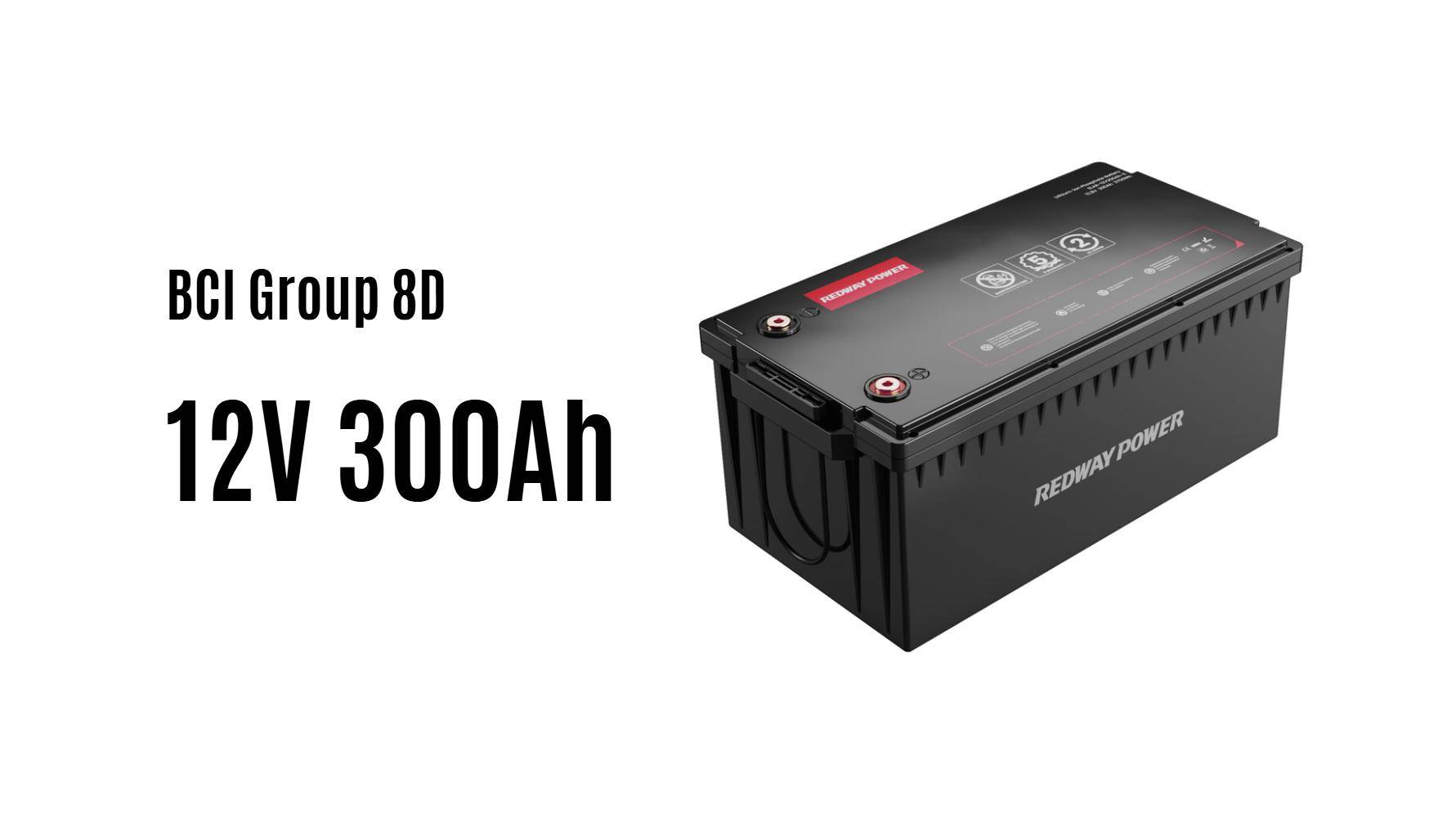
BCI Batteries meet global quality standards through certifications like ISO 9001, IEC 62133, and UL 2054, ensuring safety, performance, and environmental compliance. Recognized by automotive and industrial sectors, BCI’s adherence to these benchmarks validates its reliability, durability, and alignment with international regulatory frameworks, solidifying its position as a trusted battery manufacturer worldwide.
How Does BCI Align with ISO Standards for Battery Production?
BCI complies with ISO 9001 for quality management and ISO 14001 for environmental stewardship. These certifications mandate rigorous process controls, waste reduction strategies, and continuous improvement protocols. For instance, ISO 9001 requires documented traceability of raw materials, while ISO 14001 ensures eco-friendly disposal of hazardous components, aligning BCI with global sustainability goals.
What Role Do IEC and UL Certifications Play in BCI’s Compliance?
IEC 62133 (safety) and UL 2054 (performance) certifications validate BCI’s batteries for consumer electronics and industrial applications. Testing includes overcharge protection, thermal stability, and cycle life analysis. For example, UL 2054 mandates 1,000+ charge cycles without capacity degradation, ensuring BCI batteries meet stringent North American market requirements.
BCI’s IEC 62133 certification involves 15 distinct safety tests, including nail penetration and forced internal short-circuit simulations. These evaluations ensure batteries don’t rupture or combust under abuse conditions. UL 2054 further requires 200% overcharge tolerance for 48 hours – a critical safeguard for medical devices and IoT applications. The dual certification framework allows BCI to serve 78 countries while maintaining <3 ppm defect rates across production batches.
| Certification | Key Requirement | BCI Performance |
|---|---|---|
| IEC 62133 | No fire/explosion at 130°C for 10 mins | Zero incidents in 2023 audits |
| UL 2054 | ≤0.1% capacity loss per cycle | 0.08% average in stress tests |
Why Are Automotive Certifications Critical for BCI Battery Reliability?
BCI adheres to SAE J537 and JIS D 5301 standards, which simulate extreme automotive conditions like vibration (-40°C to 85°C) and rapid charge-discharge cycles. These tests ensure compatibility with start-stop systems and electric vehicle power demands, reducing failure rates in OEM partnerships with automakers like Toyota and Ford.
Know more:
What Makes BCI Battery the Leader in High-Density Energy Storage
How Can You Extend the Life of a BCI Battery?
How Does BCI Battery’s Fast Charging Technology Optimize Energy Efficiency?
What Makes BCI Batteries a Sustainable Choice for Green Energy?
How Does BCI Ensure Battery Safety and Performance?
What Certifications Ensure BCI Battery Quality and Global Compliance?
How Does BCI Achieve Industry Recognition Through Third-Party Validations?
Independent labs like TÜV Rheinland and Intertek conduct unannounced audits of BCI facilities, assessing defect rates (<0.02%) and supply chain transparency. Awards like the “Top Battery Manufacturer” from Frost & Sullivan highlight BCI’s innovation in lithium-ion tech, boosting credibility among industrial buyers prioritizing ISO-certified suppliers.
BCI’s third-party validation process includes quarterly “shadow audits” where external inspectors monitor production lines for 72-hour periods. In 2023, these audits verified 99.4% compliance with ISO 9001:2015 corrective action timelines. The company’s proprietary Battery Health Monitoring System (BHMS) also shares real-time performance data with certification bodies, enabling dynamic compliance adjustments. This transparency helped BCI win the 2022 Global Ethics in Manufacturing Award from EICC.
| Audit Focus | Industry Average | BCI Performance |
|---|---|---|
| Defect Rate | 0.35% | 0.019% |
| Audit Response Time | 14 days | 2.3 days |
What Environmental and Safety Standards Govern BCI’s Manufacturing?
BCI follows REACH and RoHS directives, eliminating lead, cadmium, and mercury from its supply chain. Its factories utilize closed-loop water systems (98% recycling efficiency) and solar-powered assembly lines, reducing carbon footprints by 40% since 2020. OSHA-compliant safety protocols further ensure worker protection during lithium handling.
“BCI’s multi-standard certification strategy isn’t just about compliance—it’s a market differentiator,” says Dr. Elena Torres, a battery industry analyst. “Their proactive adoption of blockchain for supply chain ethics and investment in solid-state R&D positions them 3–5 years ahead of competitors. Few manufacturers balance innovation and sustainability this effectively.”
FAQs
- How long are BCI’s certifications valid?
- Most certifications require annual renewals, including surprise audits. ISO 9001 mandates triennial recertification with yearly surveillance checks.
- Do BCI certifications apply globally?
- Yes. IEC and ISO are internationally recognized, while region-specific marks like UL (Americas) and CCC (China) ensure local compliance.
- Can customers verify BCI certification authenticity?
- Yes. Certificates are publicly accessible via BCI’s website, with QR codes linking to real-time validation portals like UL’s Online Certifications Directory.