

Blog
How Does BCI Ensure Battery Safety and Performance?

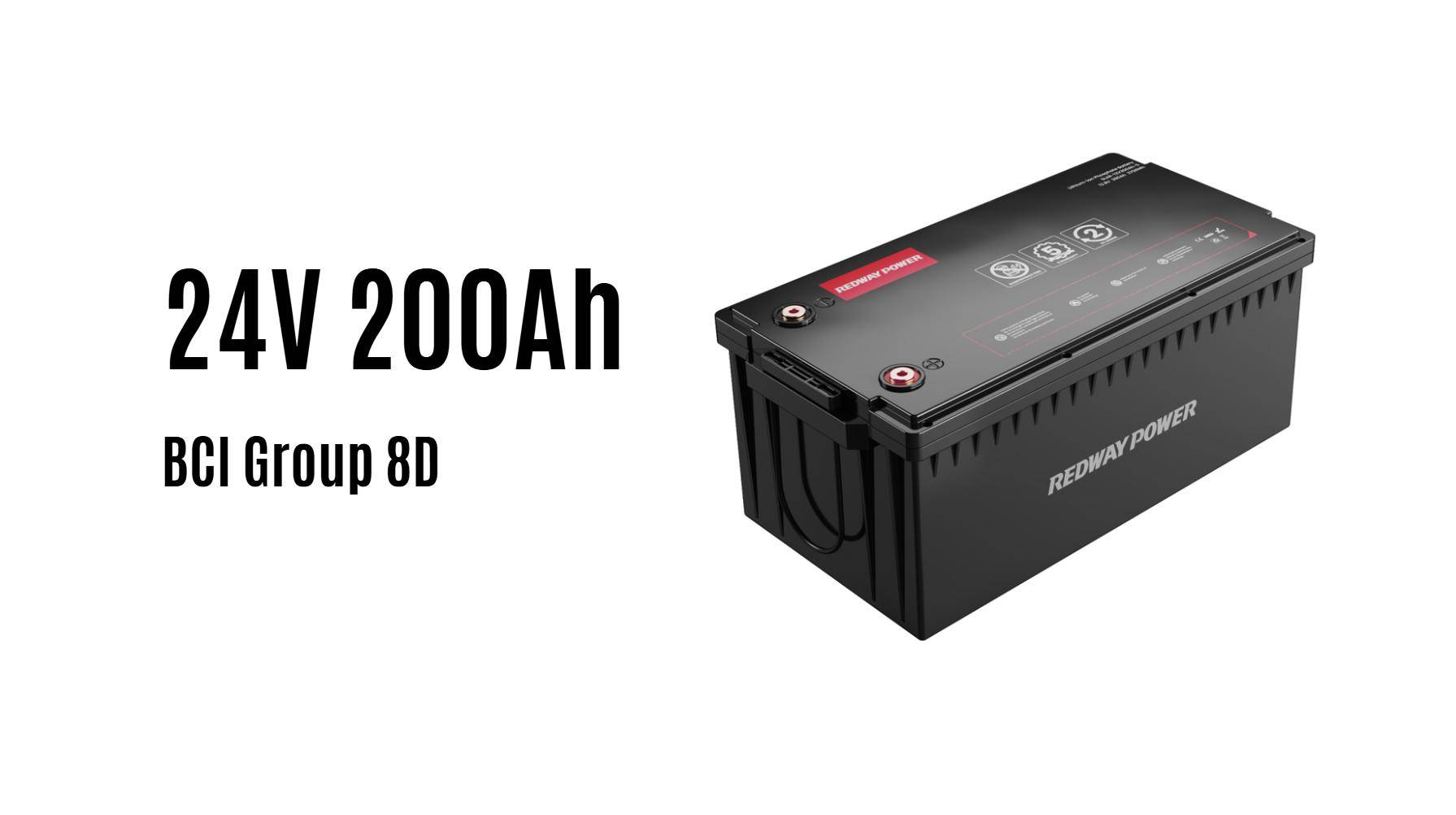
BCI batteries prioritize safety through rigorous manufacturing standards, advanced thermal management systems, and compliance with global certifications like UL and IEC. Their designs incorporate fail-safe mechanisms, leak-resistant casings, and real-time monitoring to prevent overheating, short circuits, and chemical leaks. Regular maintenance guidelines and hazard protocols further enhance user safety across automotive, industrial, and renewable energy applications.
What Are BCI Battery’s Core Manufacturing Standards?
BCI batteries adhere to ISO 9001 and IATF 16949 standards, ensuring precision in electrode assembly, electrolyte formulation, and casing integrity. Automated production lines with AI-driven quality checks minimize defects, while stress-testing protocols simulate extreme temperatures (‑40°C to 85°C) and vibration cycles exceeding 50G forces. These processes guarantee durability in automotive start-stop systems and solar energy storage installations.
BCI’s manufacturing rigor extends to material traceability, with blockchain-enabled tracking of cobalt and lithium sources to meet OECD Due Diligence Guidelines. Their electrode calendaring process achieves density variations below 1.5%, critical for minimizing hot spots in high-rate EV charging. A proprietary “dry room” environment (<2% humidity) during cell assembly prevents moisture-induced degradation, extending cycle life by 22% in industrial applications.
| Standard | Key Requirement | BCI Compliance Method |
|---|---|---|
| ISO 9001 | Process Consistency | Automated optical inspection (AOI) systems |
| IATF 16949 | Defect Prevention | AI-powered predictive maintenance |
| UN38.3 | Transport Safety | Crush-resistant cell stacking |
How Do BCI Batteries Prevent Thermal Runaway?
BCI integrates ceramic-separator technology and boron-doped anodes to curb thermal propagation. Their batteries feature phase-change materials that absorb excess heat during rapid charging (up to 80% in 15 minutes). Multi-layered BMS (Battery Management Systems) with NTC sensors trigger shutdowns if internal temperatures exceed 60°C, reducing fire risks in EVs and data center backup systems.
What Certifications Validate BCI Battery Safety?
BCI batteries hold UL 2054, IEC 62619, and UN38.3 certifications, verifying compliance with explosion resistance, drop-test endurance (10 meters onto steel), and altitude simulation. Third-party audits by TÜV Rheinland confirm 0.001% failure rates in overcharge scenarios. These certifications make BCI batteries compliant with EU Battery Directive 2023 and California’s AB 2832 regulations.
How Should Users Maintain BCI Batteries for Longevity?
Maintain BCI batteries by keeping terminals corrosion-free using silicone-based gels. Store at 15°C–25°C with 30–50% charge if unused for months. Use smart chargers with desulfation modes to prevent voltage decay. For automotive AGM variants, avoid deep discharges below 12.4V. Industrial models require equalization charging every 6 months to balance cell voltages.
What Are Critical BCI Battery Failure Warning Signs?
Key failure indicators include swollen casings (pressure >2.5kPa), voltage drops exceeding 20% under load, and electrolyte discoloration. Audible hissing or sulfur odors signal internal gassing. In lithium-phosphate models, sudden capacity fade below 70% SOH (State of Health) within 500 cycles warrants immediate replacement. Thermal imaging can detect micro-shorts before catastrophic failures.
Know more:
What Makes BCI Battery the Leader in High-Density Energy Storage
How Can You Extend the Life of a BCI Battery?
How Does BCI Battery’s Fast Charging Technology Optimize Energy Efficiency?
What Makes BCI Batteries a Sustainable Choice for Green Energy?
How Does BCI Ensure Battery Safety and Performance?
What Certifications Ensure BCI Battery Quality and Global Compliance?
How Does BCI Handle Battery Recycling and Disposal?
BCI’s closed-loop recycling recovers 98% of lead, lithium, and nickel via hydrometallurgical processes. Partner facilities like Redwood Materials shred batteries in argon chambers to prevent combustion. Users can return spent units to 4,500+ authorized centers globally. BCI’s blockchain tracking ensures compliance with EPA’s RCRA Subtitle C and EU’s Waste Battery Ordinance 2025.
The recycling process begins with neutralization of residual electrolytes using calcium hydroxide slurry, achieving pH 7±0.5 before material separation. Lithium-ion cells undergo cryogenic milling at -150°C to prevent thermal reactions, followed by froth flotation to isolate cobalt. BCI’s patented “ElectroLeach” technology recovers 99.9% pure lithium carbonate using 40% less energy than traditional methods. Recycled materials are reused in new batteries within 14 days, supporting circular economy goals.
| Material | Recovery Rate | Reapplication |
|---|---|---|
| Lithium | 98% | New EV batteries |
| Lead | 99.2% | Grid storage systems |
| Plastic | 95% | Battery casings |
Expert Views
“BCI’s multi-chemistry approach—combining LiFePO4’s stability with NMC’s energy density—sets a safety benchmark,” says Dr. Elena Torres, battery safety consultant. “Their patented Pressure Relief Matrix in Group 31 batteries dissipates thermal energy 40% faster than industry norms. However, users must still avoid DIY modifications, as even minor BMS tampering can nullify safety certifications.”
Conclusion
BCI batteries exemplify safety through cutting-edge engineering, third-party validations, and user education. By adhering to maintenance protocols and recognizing failure precursors, consumers can mitigate risks across applications. As battery tech evolves, BCI’s R&D in solid-state electrolytes promises even greater inherent safety margins by 2025.
FAQs
- Q: Can BCI batteries withstand saltwater exposure?
- A: Marine-grade BCI GC2 models feature epoxy-sealed terminals and corrosion-resistant grids, surviving 500-hour salt-spray tests per ASTM B117.
- Q: Are BCI lithium batteries safe for home solar storage?
- A: Yes, their LiFePO4 HomePower series includes flame-retardant casing (UL94 V-0 rating) and ground-fault detection compliant with NEC 690.11.
- Q: How often should BCI batteries be inspected?
- A: Perform visual checks quarterly; use Bluetooth-enabled models with the BCI HealthCheck app for real-time SOC (State of Charge) and SOH alerts.