Blog
What You Need to Know About 36V Forklift Batteries: A Comprehensive Guide

What is a 36V forklift battery? A 36-volt forklift battery is a lead-acid or lithium-ion power source designed for electric forklifts. It provides consistent energy for material handling equipment, balancing power, runtime, and weight. These batteries are ideal for medium-duty applications, offering 6–8 hours of operation per charge and lasting 1,500+ cycles with proper maintenance.
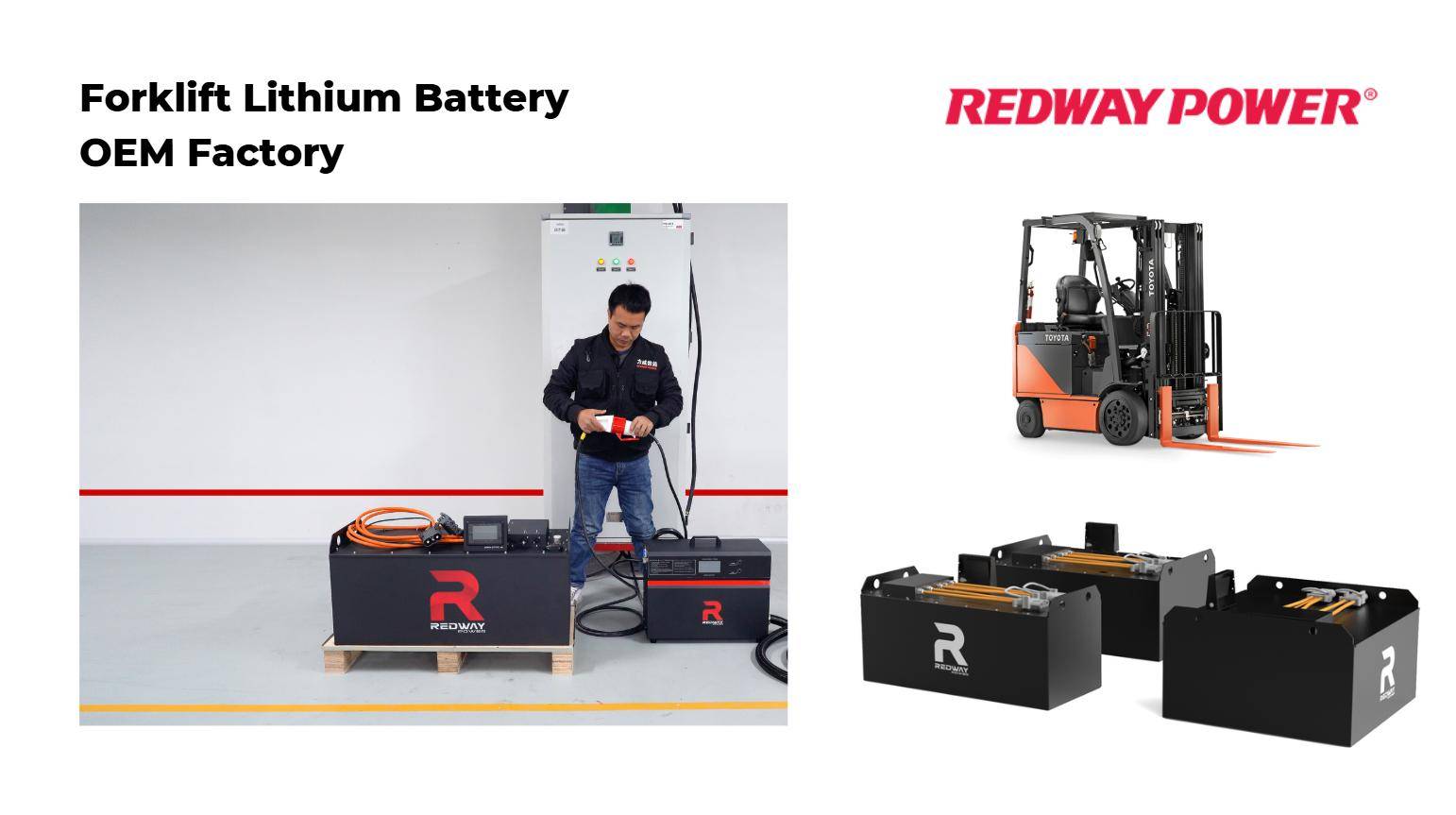
51.2V 48V 200Ah 210Ah Forklift Lithium Battery
How Do 36V Forklift Batteries Compare to Other Voltages?
36V batteries bridge the gap between smaller 24V and heavy-duty 48V systems. They deliver 15–20% more runtime than 24V models while being 25% lighter than 48V alternatives. Unlike higher-voltage options, 36V batteries maintain compatibility with standard warehouse charging infrastructure without requiring electrical upgrades.
What Are the Maintenance Requirements for 36V Batteries?
Key maintenance tasks include:
- Weekly electrolyte level checks (lead-acid)
- Monthly terminal cleaning
- Quarterly equalization charges
- Annual capacity testing
Lithium-ion models reduce maintenance by 80% through sealed designs and automatic balancing systems.
Proper electrolyte management prevents plate sulfation in lead-acid batteries, which can cause up to 40% capacity loss. Terminal cleaning should involve baking soda solutions to neutralize acid corrosion, followed by protective grease application. Equalization charges help balance cell voltages – a critical process that recovers 5-10% of lost capacity in aging batteries. For lithium-ion models, built-up battery management systems (BMS) automatically monitor cell health, though technicians should still inspect physical connections every 500 cycles.
Which Applications Are Ideal for 36V Forklift Batteries?
- Multi-shift warehouse operations
- Cold storage facilities (-20°C performance)
- 3,000–8,000 lb capacity forklifts
- Autonomous guided vehicles (AGVs)
Why Choose Lithium-Ion Over Lead-Acid 36V Batteries?
- 2× faster charging (1.5 hours vs 3 hours)
- 30% longer lifespan
- Zero maintenance requirements
- Partial charging without damage
The operational advantages of lithium-ion become apparent in high-throughput environments. Fast charging enables opportunity charging during breaks, potentially eliminating battery changeouts. While initial costs are higher, lithium-ion’s 3,000+ cycle life versus lead-acid’s 1,500 cycles results in 25% lower total cost of ownership over five years. Advanced thermal management systems in lithium batteries also maintain stable performance across temperature extremes, unlike lead-acid which suffers significant capacity drops below 10°C.
How Does Temperature Affect 36V Battery Performance?
| Temperature | Lead-Acid Capacity | Li-Ion Capacity |
|---|---|---|
| 25°C | 100% | 100% |
| 0°C | 75% | 88% |
| -20°C | 50% | 72% |
Expert Views
“Modern 36V batteries now incorporate AI-driven charge optimization that extends cycle life by 18%. Our latest models at Redway Power feature graphene-enhanced plates that reduce charging time to 45 minutes while maintaining 99% energy efficiency.”
– Dr. Ethan Walsh, Chief Battery Engineer, Redway Power Solutions
Conclusion
36V forklift batteries remain the backbone of industrial material handling. With lithium-ion adoption growing 27% annually (2023 IBIA report), these power systems now offer smart connectivity features for predictive maintenance and energy tracking. Proper selection and care ensure optimal performance across diverse operational environments.
FAQ
- Can 36V batteries power other industrial equipment?
- Yes – compatible with pallet jacks, scrubbers, and small cranes.
- How often should battery water be refilled?
- Every 10-15 cycles for lead-acid, never for lithium-ion.
- What’s the average replacement cost?
- $2,800–$4,500 (lead-acid) vs $6,000–$8,500 (lithium).