

Blog
BCI Group 75 Batteries, The Complete Guide

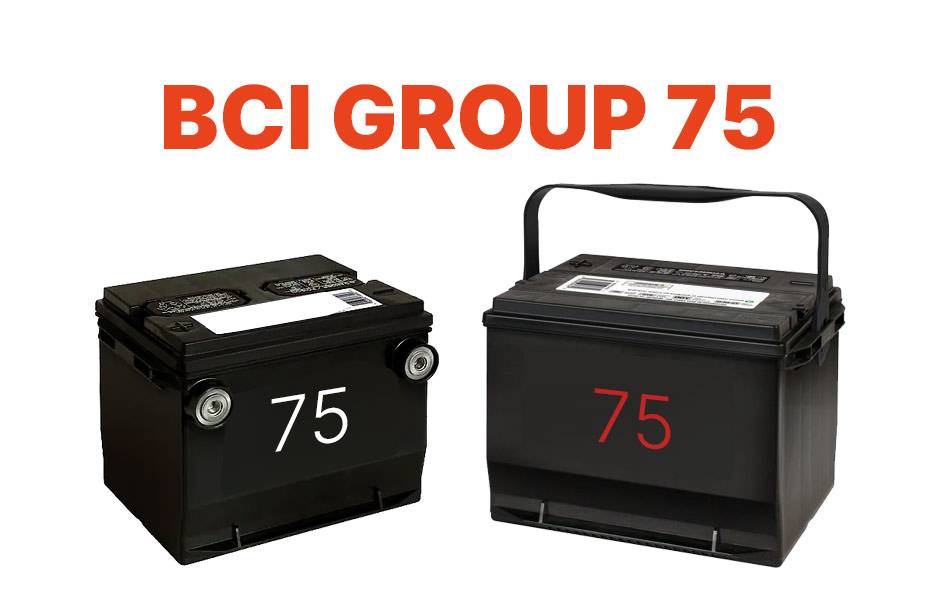
BCI Group 75 batteries are high-performance lead-acid batteries commonly used in vehicles like cars, trucks, and SUVs. They deliver reliable starting power, moderate reserve capacity, and long service life. Their standardized sizing ensures compatibility, while proper maintenance and usage maximize lifespan and performance, making them a top choice for automotive and industrial applications.
How Are BCI Group 75 Batteries Classified?
BCI Group 75 batteries are classified based on size, terminal configuration, and capacity. The Battery Council International (BCI) standard ensures that all Group 75 batteries fit specific tray dimensions, post types, and mounting systems. This uniformity allows easy replacement across a wide range of vehicles.
What Are the Key Specifications of Group 75 Batteries?
Group 75 batteries typically provide 12 volts, with Cold Cranking Amps (CCA) ranging from 600 to 750 and reserve capacity around 120–150 minutes. They weigh approximately 40–50 pounds and use lead-acid chemistry for a balance of cost, reliability, and energy density.
Which Vehicles Use BCI Group 75 Batteries?
Common applications include mid-size to full-size cars, SUVs, vans, and light trucks. Popular models from Ford, Chevrolet, Toyota, and Honda often rely on Group 75 batteries. Compatibility depends on tray dimensions, terminal type, and power requirements.
How Long Do Group 75 Batteries Last?
Battery lifespan varies from 3 to 5 years under normal conditions. Factors affecting longevity include climate, usage patterns, charging habits, and maintenance. Regular testing and cleaning extend operational life.
Why Are Maintenance Practices Important for Group 75 Batteries?
Proper maintenance prevents sulfation, corrosion, and premature failure. Checking electrolyte levels, cleaning terminals, and ensuring secure mounting help preserve voltage output and extend battery life. Using quality chargers and avoiding deep discharges also protects the battery.
Can You Upgrade to a Higher-Performance Group 75 Battery?
Yes, premium Group 75 batteries with enhanced CCA, AGM technology, or extended reserve capacity are available. These options improve starting power, vibration resistance, and service life, suitable for cold climates or vehicles with high electrical loads.
What Safety Measures Should Be Taken When Handling Group 75 Batteries?
Wear protective gloves and eyewear to avoid acid burns. Avoid short-circuiting terminals and handle the battery upright. Proper disposal or recycling of lead-acid batteries prevents environmental contamination and ensures regulatory compliance.
How Does Redway Power Support Group 75 Battery Solutions?
Redway Power manufactures high-quality lead-acid and lithium alternatives compatible with BCI Group 75 specifications. Their batteries offer reliable starting power, long service life, and consistent performance for automotive and industrial applications. Redway Power’s advanced production ensures consistent quality and durability.
What Are Common Problems With Group 75 Batteries?
Common issues include sulfation from undercharging, corrosion at terminals, low electrolyte levels, and insufficient charging during short trips. Symptoms include slow engine cranking, dim lights, and dashboard warning indicators. Addressing these early prevents complete battery failure.
Redway Power Expert Views
“BCI Group 75 batteries remain a reliable choice for automotive and light industrial vehicles. At Redway Power, we focus on quality, durability, and consistent performance, ensuring users benefit from extended battery life and dependable power delivery, even in demanding conditions,” says a Redway Power expert.
Conclusion
BCI Group 75 batteries offer a reliable, standardized solution for cars, SUVs, and light trucks. Understanding specifications, maintenance requirements, and proper handling ensures optimal performance and lifespan. Redway Power’s high-quality offerings provide dependable alternatives for both traditional lead-acid and modern lithium solutions, catering to diverse automotive and industrial needs.
FAQs
Q1: Can a Group 75 battery fit all mid-size vehicles?
A1: Most mid-size vehicles accept Group 75 batteries, but always check tray size and terminal orientation.
Q2: How do I know if my Group 75 battery needs replacement?
A2: Look for slow engine cranking, frequent jump starts, or low voltage readings.
Q3: Can Redway Power batteries replace traditional lead-acid Group 75 batteries?
A3: Yes, Redway Power offers lithium and high-performance alternatives compatible with Group 75 specifications.
Q4: How should I store a Group 75 battery during winter?
A4: Keep it fully charged, store in a cool dry place, and periodically check voltage.
Q5: Are AGM Group 75 batteries better than standard flooded ones?
A5: AGM batteries resist vibration, provide higher CCA, and require less maintenance, making them ideal for heavy-duty or cold climate use.
