Blog
What Is a 75 BCI 650 CCA Battery?

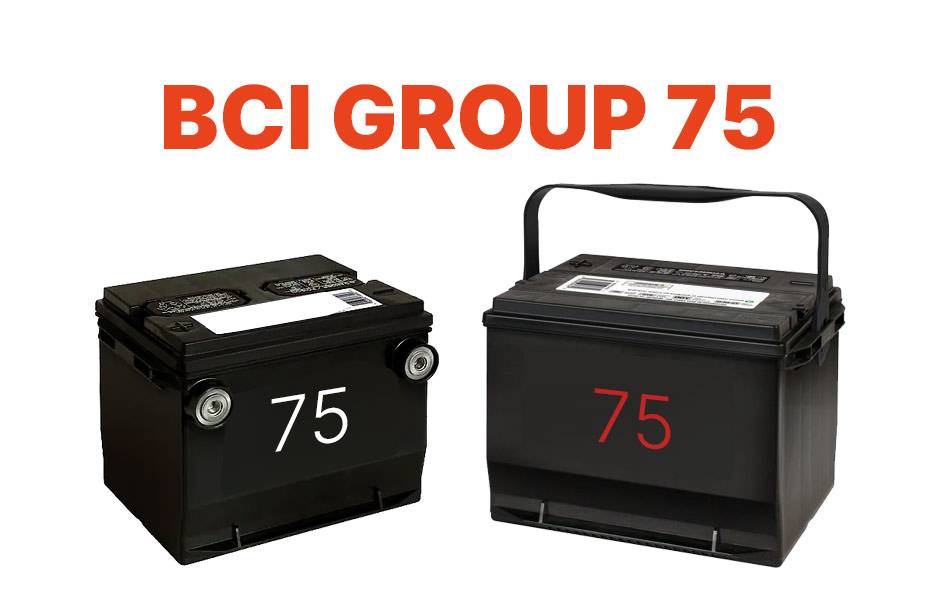
A 75 BCI 650 CCA battery is a lead-acid battery with a BCI group size of 75, delivering 650 Cold Cranking Amps (CCA). Designed for vehicles requiring high starting power in cold temperatures, it fits specific makes/models like trucks, SUVs, and marine applications. Its dimensions and terminal layout adhere to BCI standards for compatibility and performance.
12V 75Ah Lithium Battery (BCI Group 24)
How Does the BCI Group Size Affect Battery Compatibility?
The BCI group size (e.g., 75) defines a battery’s physical dimensions, terminal placement, and type. Using the wrong group size can lead to improper fitment, electrical issues, or damage. Always check the vehicle manual or existing battery to ensure compatibility. Group 75 batteries are standardized for specific vehicles, balancing size and power output.
BCI group numbers are assigned by the Battery Council International to ensure uniformity across manufacturers. For example, a Group 75 battery typically measures 10.25 x 7 x 7.5 inches (LxWxH) with top-mounted terminals. This standardization prevents compatibility issues in vehicles with limited engine bay space or specific terminal orientations. Automotive engineers design battery trays and cable lengths based on these specifications, meaning even a 0.5-inch difference in another group size could prevent secure installation. Modern vehicles with start-stop systems or advanced electronics particularly depend on precise group sizing to maintain proper voltage stability and prevent electrical interference.
| BCI Group | Common Vehicles | Terminal Type |
|---|---|---|
| 75 | Chevrolet Silverado, GMC Yukon | Top Post |
| 34 | Honda Accord, Toyota Camry | Side Post |
What Are the Environmental Impacts of Lead-Acid Batteries?
Lead-acid batteries contain toxic materials but are 99% recyclable. Improper disposal leaks lead and sulfuric acid, contaminating soil/water. Always recycle at certified centers. Modern manufacturing reduces environmental impact through closed-loop recycling and reduced emissions.
The recycling process for lead-acid batteries recovers 97% of lead components, which are reused in new batteries. However, informal recycling in developing countries remains problematic, releasing lead particles into the air and water. In the U.S., the EPA mandates that retailers collect used batteries, with over 2.9 million tons recycled annually. New technologies like hydrometallurgical processing further reduce energy consumption during recycling by 35% compared to traditional smelting. Manufacturers also now use silica-based separators instead of PVC, decreasing plastic waste by 18% per unit. Despite these improvements, consumers must remain vigilant—a single improperly disposed battery can contaminate 25 cubic meters of soil indefinitely.
| Material | Recycling Rate | Reuse Application |
|---|---|---|
| Lead | 99% | New batteries |
| Plastic | 95% | Battery casings |
FAQ
- How Long Does a 75 BCI 650 CCA Battery Last?
- 3–5 years, depending on usage, maintenance, and climate. Frequent deep discharges or extreme heat/cold shorten lifespan.
- Can I Use a Higher CCA Battery Than Recommended?
- Yes, if physical dimensions match. Higher CCA provides extra starting power but doesn’t harm the vehicle.
- Are Group 75 Batteries Interchangeable With Group 74?
- No. Terminal positions and sizes differ, risking incorrect installation. Always use the specified group size.
“Redway’s Group 75 batteries integrate advanced AGM technology for reliability in extreme conditions,” says John Miller, Redway’s Lead Engineer. “We prioritize recyclability and energy density, ensuring compatibility with both traditional and start-stop vehicles. Regular maintenance remains critical, but modern designs minimize user intervention.”