

Golf Cart Batteries

How Can You Make an Informed Choice on Refurbished Golf Cart Batteries?

Making an informed choice on refurbished golf cart batteries requires assessing battery condition, verifying r...

How to Calculate Watt Hours to Amp Hours
Calculating amp hours from watt hours requires dividing the total energy in watt hours by the voltage of the s...

How to Maximize Your Golf Cart Battery Life Effectively
Maximizing golf cart battery life involves regular maintenance, proper charging habits, and using high-quality...

How Often Should You Charge Your Golf Cart Batteries for Optimal Performance?
Charging golf cart batteries after each use or at least once every 24 hours ensures optimal performance, longe...

What Are the Key Disadvantages of Lithium Golf Cart Batteries?
Lithium golf cart batteries offer many benefits, but their key disadvantages include high upfront costs, tempe...

Do Lithium Golf Cart Batteries Require a Special Charger?
Yes, lithium golf cart batteries require special chargers designed specifically for their unique chemistry and...

What Size Lithium Battery Do You Need for a Golf Cart?
Choosing the right size lithium battery for a golf cart depends on voltage, capacity (Ah), and usage requireme...

Are Lithium Batteries for Golf Carts a Worthwhile Investment?
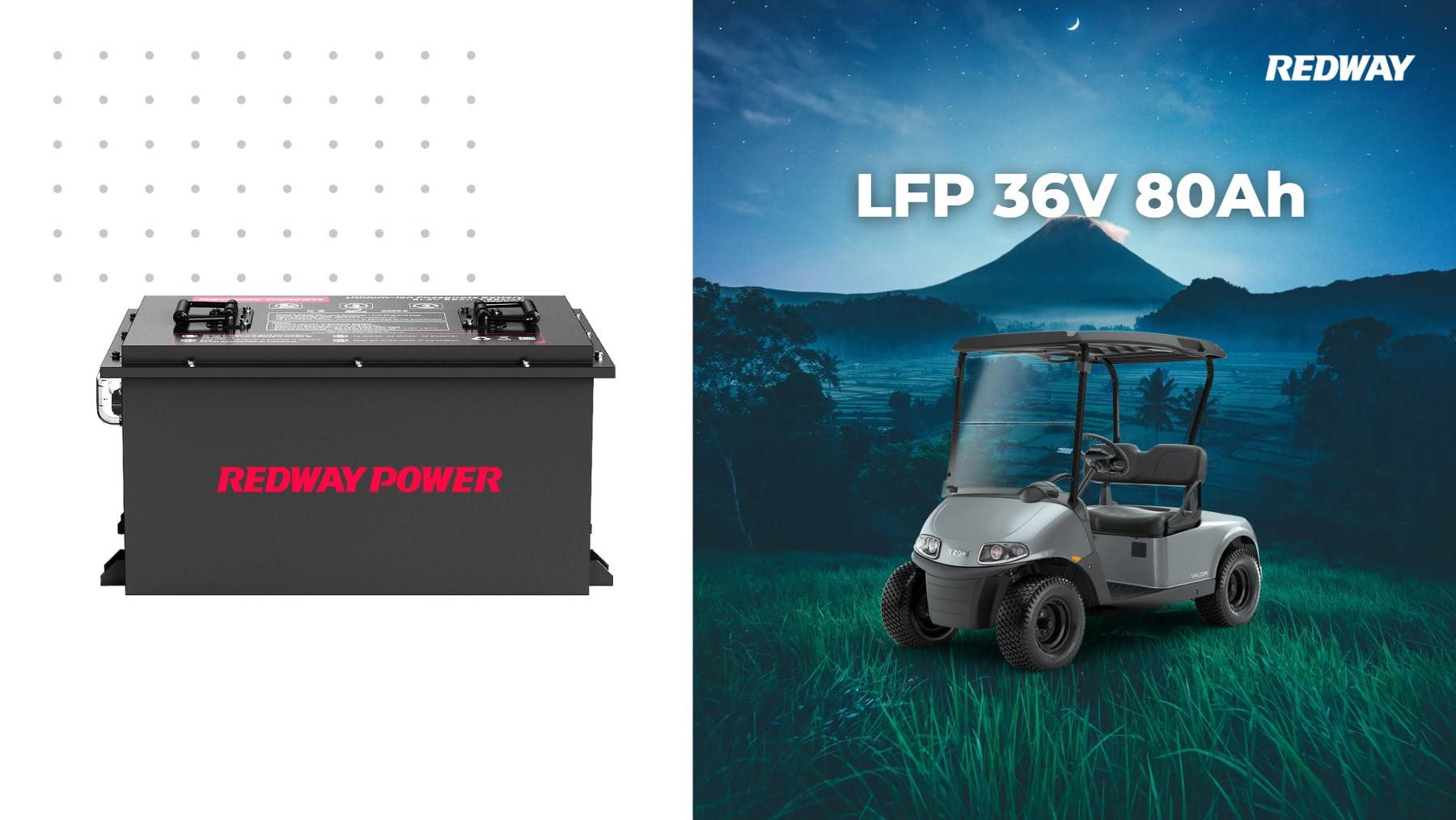
Lithium batteries for golf carts are a worthwhile investment due to their longer lifespan, lighter weight, fas...
What Is the Life Expectancy of an Electric Golf Cart?
The average life expectancy of an electric golf cart ranges from 10 to 20 years, depending on various factors ...

Should I Leave My Golf Cart Plugged in All the Time? A Comprehensive Guide
Leaving your golf cart plugged in all the time can lead to various consequences, particularly concerning batte...

How to Determine When Your Golf Cart Battery Needs Replacing
Knowing when to replace your golf cart battery prevents downtime and costly repairs. Key indicators include de...

How to Identify When Your Golf Cart Batteries Are Dying
Identifying dying golf cart batteries early ensures you avoid unexpected downtime and costly repairs. Key sign...

When I Start My Car, It Revs on Its Own? Car Revving on Its Own : Reasons, Fixes & More
A car revving on its own means the engine’s RPM increases without pressing the accelerator, caused by issues l...

Why Does My Car Idle at 1500 RPM When I Start It?
When you start your car and notice it idles at around 1500 RPM, this is often a normal behavior, especially du...

What You Need to Know About High Engine Idle on Cold Starts
High engine idle during cold starts is a common phenomenon that occurs when a vehicle's engine is first starte...