Blog
Do Emergency Lights Need Battery Backup? A Comprehensive Guide

Emergency lights are crucial safety devices designed to illuminate pathways and exits during power outages, ensuring that individuals can evacuate safely in emergencies. This comprehensive guide explores the necessity of battery backup for emergency lights, detailing types, maintenance requirements, regulations, and more.
What Are Emergency Lights?
Emergency lights are specialized fixtures that activate during power failures to provide illumination in critical areas such as hallways and exit routes. They are designed to guide occupants safely out of buildings during emergencies like fires or blackouts.
Why Do Emergency Lights Need Battery Backup?
Battery backup is essential for emergency lights because it ensures they remain operational when the primary electrical supply fails. This continuous illumination is vital for safety during evacuations, allowing individuals to navigate safely without relying on ambient light.
What Types of Batteries Are Used for Emergency Lights?
Common types of batteries used in emergency lighting systems include:
- Lead-Acid Batteries: Widely used due to their cost-effectiveness but require maintenance.
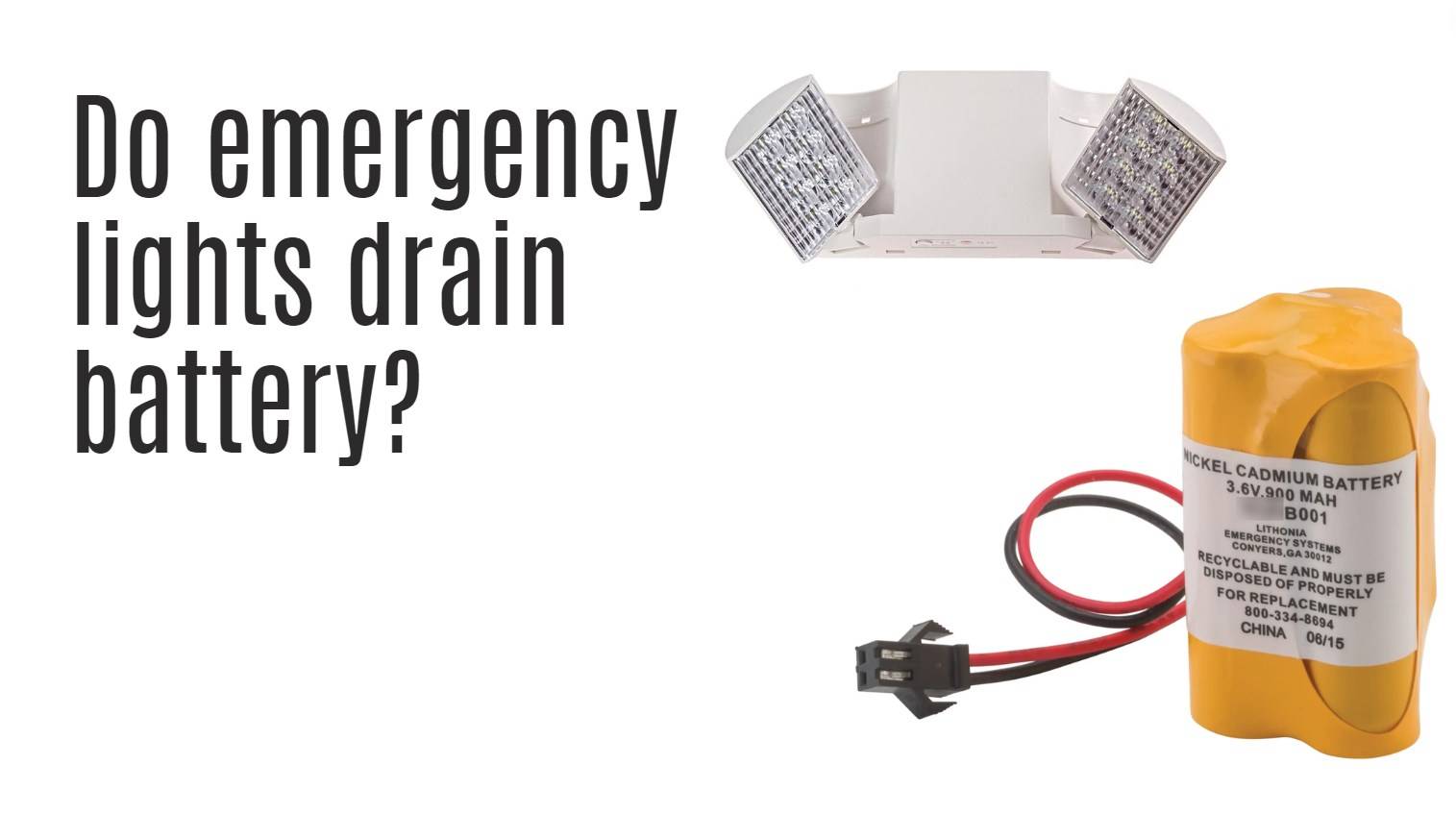
- Nickel-Cadmium (NiCad) Batteries: Known for their reliability and ability to perform well in various temperatures.
- Lithium-Ion Batteries: Increasingly popular due to their longer lifespan and reduced maintenance needs.
How Long Should Emergency Lights Operate on Battery Backup?
Regulations typically mandate that emergency lights must operate on battery backup for a minimum duration of 90 minutes following a power outage. This timeframe allows sufficient time for occupants to evacuate safely and facilitates entry for emergency personnel.
What Are the Maintenance Requirements for Emergency Light Batteries?
Regular maintenance practices include:
- Checking battery charge levels periodically.
- Testing functionality through simulated power outages.
- Inspecting physical condition and connections to prevent failures when needed most.
How Do Battery Backup Systems Work in Emergency Lighting?
Battery backup systems automatically engage when the main electrical supply is interrupted:
- The system detects a drop in voltage and switches from mains power to battery power seamlessly.
- This ensures that emergency lights remain illuminated without requiring manual intervention.
What Are the Regulations Governing Emergency Lighting Systems?
Regulations governing emergency lighting systems include standards set by organizations such as:
- The National Fire Protection Association (NFPA) which outlines installation requirements.
- The Occupational Safety and Health Administration (OSHA) which specifies testing frequencies and performance criteria.
Compliance with these regulations is crucial for ensuring safety during emergencies.
What Are the Benefits of Battery Backup for Emergency Lights?
Benefits include:
- Continuous power supply during outages enhances safety.
- Compliance with legal regulations ensures buildings meet safety standards.
- Peace of mind knowing that adequate lighting will be available in critical situations.
How Do Environmental Conditions Affect Battery Performance in Emergency Lights?
Environmental factors can significantly impact battery performance:
- Extreme temperatures can affect battery efficiency; cold can reduce capacity while heat can accelerate degradation.
- Proper storage conditions help maintain optimal performance and prolong battery life.
What Innovations Are Emerging in Emergency Lighting Technology?
Emerging innovations focus on enhancing efficiency and reliability:
- Development of smart emergency lighting systems that integrate IoT technology for real-time monitoring.
- Improvements in battery technology that increase lifespan while reducing environmental impact through better recycling methods.
What Common Mistakes Should Be Avoided When Installing Emergency Lighting?
Common mistakes include:
- Failing to comply with local regulations regarding placement and testing frequency.
- Neglecting regular maintenance checks which can lead to non-functional systems during emergencies.
- Using inappropriate battery types that do not meet the specific needs of the emergency lighting system.
Expert Views:
“Ensuring your emergency lighting systems are equipped with reliable battery backups is critical,” states an expert in fire safety solutions. “Regular maintenance combined with adherence to regulations guarantees that these systems will function effectively when needed most.”
FAQ Section
- Do all emergency lights require battery backup?
- Yes, battery backup is essential to ensure functionality during power outages.
- How often should I test my emergency lights?
- It is recommended to test them monthly to ensure they function correctly during an outage.
- Can I use regular batteries in my emergency light fixtures?
- No, it’s important to use batteries specifically designed for emergency lighting systems to ensure reliability.