

Blog
How Do BCI Batteries Differ Technically from Other Battery Types?

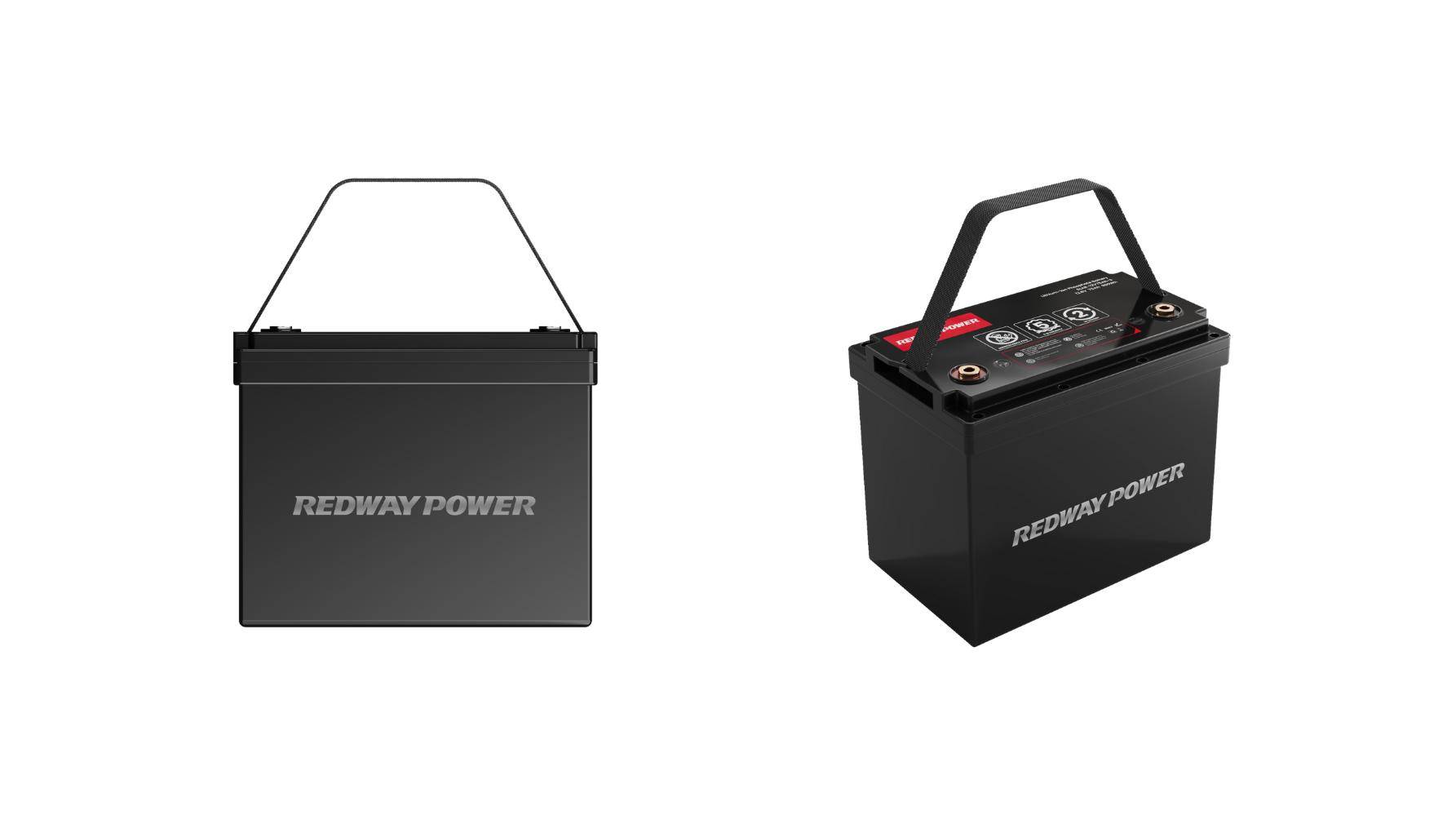
What distinguishes BCI batteries from others? BCI batteries are standardized by the Battery Council International for automotive applications, emphasizing cranking power, durability, and compatibility. Unlike lithium-ion or AGM batteries, BCI units prioritize cold-cranking amps (CCA), lead-acid chemistry, and maintenance-friendly designs. They outperform others in extreme temperatures but lag in energy density for deep-cycle applications.
How Does BCI Battery Construction Compare to Lead-Acid Designs?
BCI batteries use enhanced lead-acid configurations with thicker plates and optimized electrolytes for higher burst power. Traditional lead-acid batteries focus on energy storage over cranking performance, making BCI models better suited for starting engines in harsh conditions.
Modern BCI designs incorporate advanced separators made from polyethylene or fiberglass to prevent internal short circuits. These separators withstand vibration better than standard lead-acid components, a critical feature for off-road vehicles. Manufacturers also employ stamped grids instead of cast grids, improving current flow efficiency by 15–20%. The electrolyte solution contains additives like phosphoric acid to reduce water loss during high-current discharges. This construction allows BCI batteries to deliver 800–1,200 cranking cycles compared to 400–600 cycles in conventional lead-acid units.
What Performance Advantages Do BCI Batteries Offer in Cold Weather?
BCI batteries excel in cold climates due to superior CCA ratings (600–1000+), ensuring reliable ignition. Lithium-ion batteries suffer voltage drops below freezing, while AGM batteries offer moderate cold performance but lack BCI’s cost-effectiveness for high-drain scenarios.
| Battery Type | CCA at -18°C | Cost per CCA |
|---|---|---|
| BCI Lead-Acid | 850 | $0.12 |
| AGM | 750 | $0.18 |
| Lithium-Ion | 600* | $0.35 |
*Requires preheating systems below -10°C
Why Are BCI Batteries More Cost-Effective for Automotive Use?
Priced 20–40% lower than lithium-ion or AGM alternatives, BCI batteries provide optimal value for gasoline/diesel vehicles. Their standardized sizing reduces manufacturing complexity, and their recyclability (97% lead recovery) further lowers long-term ownership costs.
Know more:
What Is a BCI Battery? Understanding Standards and Applications
How Do BCI Batteries Differ Technically from Other Battery Types?
How Did BCI Batteries Evolve From Early Designs to Modern Applications
How to Choose the Right BCI Battery for Your Vehicle?
What Is the Core Technology Behind BCI Batteries?
Why Are BCI Batteries the Top Choice for Green Energy Solutions?
How Do BCI Batteries Address Environmental Impact Concerns?
BCI’s lead-acid chemistry supports a 99% recycling rate, minimizing landfill waste. Advanced closed-loop systems reclaim lead and plastic, whereas lithium-ion recycling remains energy-intensive and less economically viable at scale.
Can BCI Batteries Integrate with Modern Electric Vehicles (EVs)?
No. BCI batteries lack the energy density (30–50 Wh/kg vs. lithium-ion’s 150–250 Wh/kg) required for EV propulsion. However, they remain critical for 12V systems in EVs, powering lights, sensors, and infotainment without taxing the main lithium pack.
What Innovations Are Shaping the Future of BCI Battery Technology?
Research focuses on carbon-enhanced anodes, silicon additives, and absorbed glass mat (AGM) hybrids to boost cycle life and reduce sulfation. These advancements aim to bridge the gap between traditional BCI performance and emerging energy storage demands.
Recent breakthroughs include graphene-doped lead plates that increase surface area by 300%, enabling faster charge acceptance. Companies like East Penn Manufacturing now produce dual-purpose BCI batteries with deep-cycle capabilities (20Ah capacity) while maintaining 900 CCA ratings. Another innovation involves adaptive electrolyte circulation systems using microporous membranes – this technology reduces stratification issues by 70% in stationary applications. These developments position BCI batteries as viable options for hybrid vehicles requiring frequent engine starts and accessory power.
Expert Views
“BCI batteries are the backbone of combustion-engine reliability,” says Dr. Elena Torres, automotive engineer. “While lithium dominates EVs, BCI’s cost and recyclability ensure their dominance in legacy vehicles. Hybrid designs using thin-plate pure lead (TPPL) may extend their relevance in start-stop systems.”
Conclusion
BCI batteries remain unmatched for combustion-engine ignition, offering unmatched cold-cranking power, affordability, and sustainability. While unsuitable for deep-cycle or EV propulsion, ongoing innovations ensure their continued relevance alongside advanced battery chemistries.
FAQs
- Are BCI batteries maintenance-free?
- Most modern BCI batteries are sealed, but some require periodic electrolyte checks. AGM and lithium-ion variants are fully maintenance-free.
- How long do BCI batteries last?
- Average lifespan is 3–5 years, versus 5–8 years for lithium-ion. Frequent short trips and extreme heat accelerate degradation.
- Can I replace a lithium battery with BCI?
- Only in combustion vehicles. Swapping lithium for BCI in EVs or solar systems risks insufficient capacity and incompatible charging profiles.