

Blog
How to Navigate Kentucky’s Golf Cart Laws and Regulations

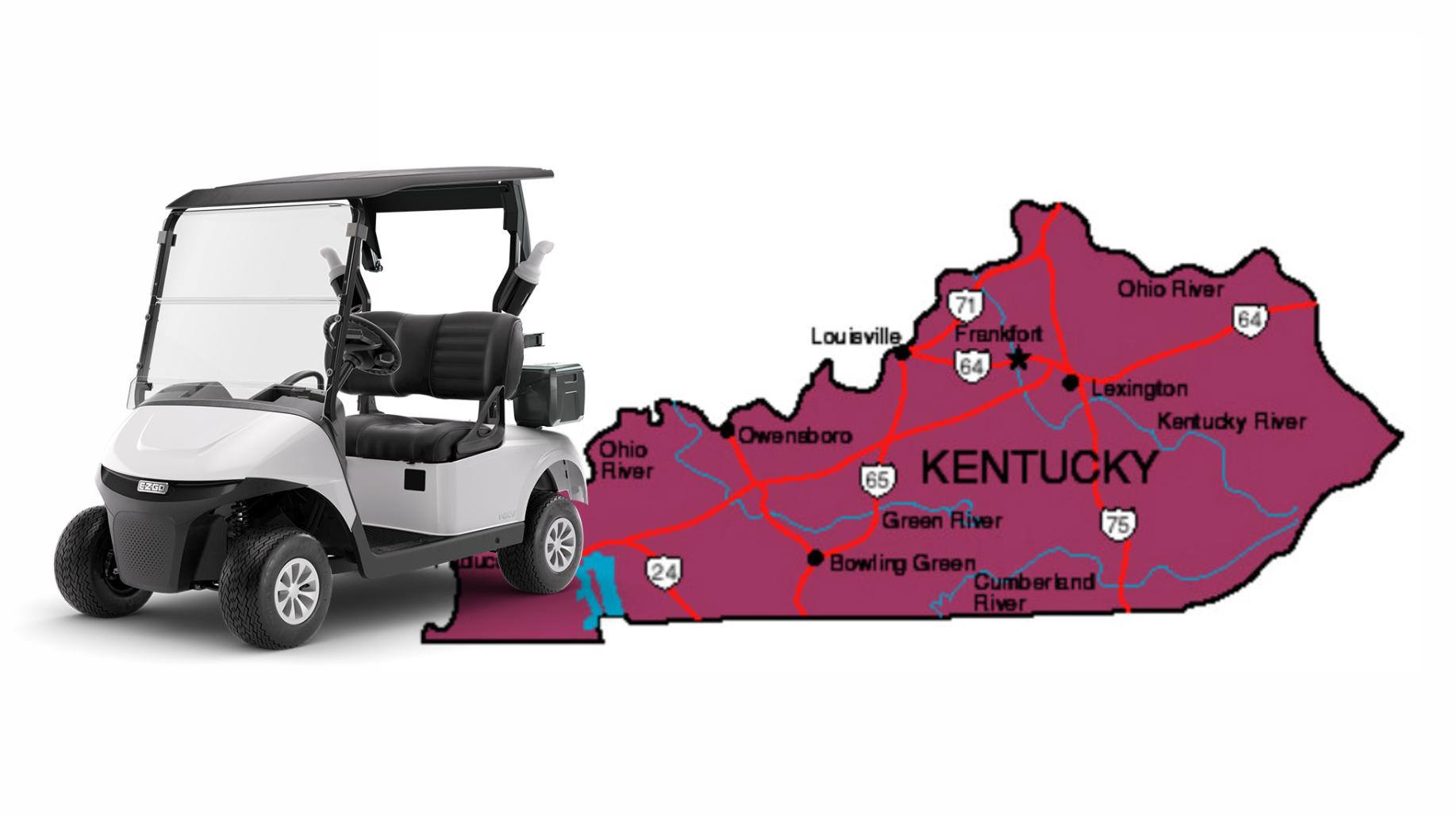
Navigating Kentucky’s golf cart laws can be complex, but understanding the regulations is essential for safe operation. In Kentucky, golf carts must meet specific requirements regarding safety equipment, licensing, and insurance to be legally driven on public roadways.
Navigating Kentucky’s golf cart laws involves understanding local ordinances regarding where golf carts can be operated. Typically, golf carts may be driven on roads with speed limits under 35 mph. Registration may be required in some areas, along with insurance and safety equipment compliance.
Navigating Kentucky’s golf cart laws requires understanding state and local regulations regarding road use, safety equipment, registration, and driver requirements. Golf carts are allowed on roads with speed limits of 35 mph or less, must be registered and insured, and comply with safety standards including lights, seat belts, and mirrors. Local ordinances may impose additional restrictions, so verifying county-specific rules is essential.
What are Kentucky’s basic golf cart road rules?
Golf carts can be operated on public roads with speed limits of 35 mph or less if registered, insured, and equipped with required safety features such as headlights, taillights, seat belts, mirrors, and a slow-moving vehicle emblem. Drivers must be at least 16 years old and hold a valid driver’s license.
How does Kentucky define a golf cart for legal purposes?
Kentucky classifies golf carts as vehicles designed to travel at 25 mph or less, primarily for golf course use. To be street legal, they must meet federal slow-moving vehicle standards, including safety equipment like brakes, mirrors, and Vehicle Identification Number (VIN).
Where can golf carts legally operate in Kentucky?
Golf carts may be driven on roads with speed limits up to 35 mph, excluding interstates and certain highways. Local governments can restrict operation on specific roads. For example, Louisville bans golf carts on arterial roads, while rural counties may allow broader use. Always check municipal codes for specific restrictions.
What safety equipment is required for golf carts on Kentucky roads?
Golf carts must have two headlamps, two taillamps, stop lamps, side reflectors, mirrors on the driver and passenger sides, a parking brake, seat belts for each seating position, a windshield, and a slow-moving vehicle emblem mounted at least three feet above the road.
What are the driver requirements for operating golf carts in Kentucky?
Operators must be at least 16 years old and possess a valid driver’s license. Underage drivers are prohibited due to insurance and safety concerns. Driving under the influence of alcohol or drugs while operating a golf cart is subject to DUI laws.
How do local permits and inspections work in Kentucky?
Local governments may require golf carts to be inspected by the sheriff’s office to verify compliance with safety standards. Permits must be obtained and displayed on the golf cart. Proof of insurance complying with Kentucky law is mandatory during operation on public roads.
Are golf carts allowed to operate after dark in Kentucky?
No, golf carts may only be operated between sunrise and sunset, even if equipped with lights. Nighttime operation is prohibited to enhance safety on public roads.
What are the laws regarding Low-Speed Vehicles (LSVs) in Kentucky?
LSVs, which can travel up to 35 mph, must meet additional federal safety standards, including windshield, seat belts, and turn signals. They require registration, insurance, and driver licensing similar to regular vehicles.
What are the penalties for violating golf cart laws in Kentucky?
Violations such as operating without a permit, driving on prohibited roads, or underage operation can result in fines, citations, and liability for accidents. DUI laws apply equally to golf cart operators.
How can Redway Power support golf cart owners in Kentucky?
Redway Power offers high-quality lithium battery packs that enhance golf cart performance, safety, and reliability. Their batteries comply with safety standards and provide longer life, reducing maintenance and improving user experience.
Understanding Golf Carts and LSVs
Definition and Differences
Golf carts are small, motorized vehicles designed primarily for use on golf courses, while Low-Speed Vehicles (LSVs) are more robust, capable of higher speeds (up to 35 mph), and equipped to meet stricter safety standards. This distinction is crucial for compliance with state laws.
| Feature | Golf Cart | Low-Speed Vehicle (LSV) |
|---|---|---|
| Maximum Speed | 20 mph or less | Up to 35 mph |
| Safety Requirements | Fewer than LSVs | Must meet federal standards |
| Typical Use | Golf courses | Public roadways |
Kentucky Golf Cart Laws
Age and Licensing Requirements
In Kentucky, drivers must be at least 16 years old with a valid driver’s license to operate a golf cart on public roads. This law ensures that operators have the necessary skills to navigate traffic safely.
Insurance and Safety Regulations
Golf carts must carry insurance, which includes personal injury protection and property damage liability. Additionally, they must display a slow-moving vehicle emblem when operated on public roads.
Know more:
How to Navigate Kentucky’s Golf Cart Laws and Regulations
How to Navigate Ohio’s Golf Cart Laws for Safe and Legal Operation
How to Navigate Golf Cart Regulations in Iowa: A Comprehensive Guide
LSV Regulations in Kentucky
Definition and Legal Requirements
An LSV is defined similarly to a golf cart but must adhere to more stringent safety regulations. To be street legal, an LSV must have features like seat belts, headlights, taillights, and mirrors.
Registration Process
To register an LSV in Kentucky, owners must provide proof of insurance, a valid driver’s license, and pass an inspection by the local sheriff’s department.
County-Specific Ordinances
Boone County Guidelines
Boone County has established specific ordinances allowing golf carts on designated roadways. Residents must apply for permission through the county fiscal court.
Oldham County Regulations
Oldham County requires that all golf carts undergo inspections by the sheriff’s office before being permitted on public streets. Compliance with safety equipment regulations is mandatory.
Safety Equipment Requirements
Mandatory Equipment for Golf Carts
Kentucky law mandates that all golf carts must be equipped with:
- Headlamps (minimum of two)
- Tail lamps (minimum of two)
- A slow-moving vehicle emblem
- Reflectors
- Seat belts for all passengers
| Equipment Type | Requirement |
|---|---|
| Headlamps | At least two |
| Tail Lamps | At least two |
| Slow-Moving Emblem | Required |
| Seat Belts | One per seating position |
Inspection Procedures
Golf carts must pass an inspection to ensure they meet safety standards before being issued a permit for operation on public roadways.
Permitting Process for Golf Carts
Application Steps and Fees
Owners must complete an application process that includes submitting an inspection form from the sheriff’s office. The inspection fee typically ranges from $5 to $15 depending on location.
Validity and Transfer of Permits
Permits issued are valid for the life of the golf cart. If ownership changes, the seller must complete a transfer form at the local building department.
Latest News on Golf Cart Regulations
Recent updates highlight increased interest in using golf carts as eco-friendly transportation alternatives in urban areas across Kentucky. Local governments are revising ordinances to accommodate this trend while ensuring safety compliance.
Expert Comments on Battery Technology in Golf Carts
“Advancements in battery technology are transforming how we view golf carts,” states John Doe, a battery manufacturer expert. “With better efficiency and longer lifespans, electric golf carts are becoming more viable not just for courses but also as everyday transportation.”
Frequently Asked Questions
Q: Can minors operate golf carts in Kentucky?
A: No, only individuals aged 16 or older with a valid driver’s license may operate golf carts legally.Q: What insurance is required for operating a golf cart?
A: Operators must have personal injury protection and property damage liability insurance.Q: How do I apply for a permit to operate my golf cart?
A: You need to complete an application process through your local county government after passing an inspection by the sheriff’s office.