

Blog
How to Choose the Best 84V Lithium Battery Charger

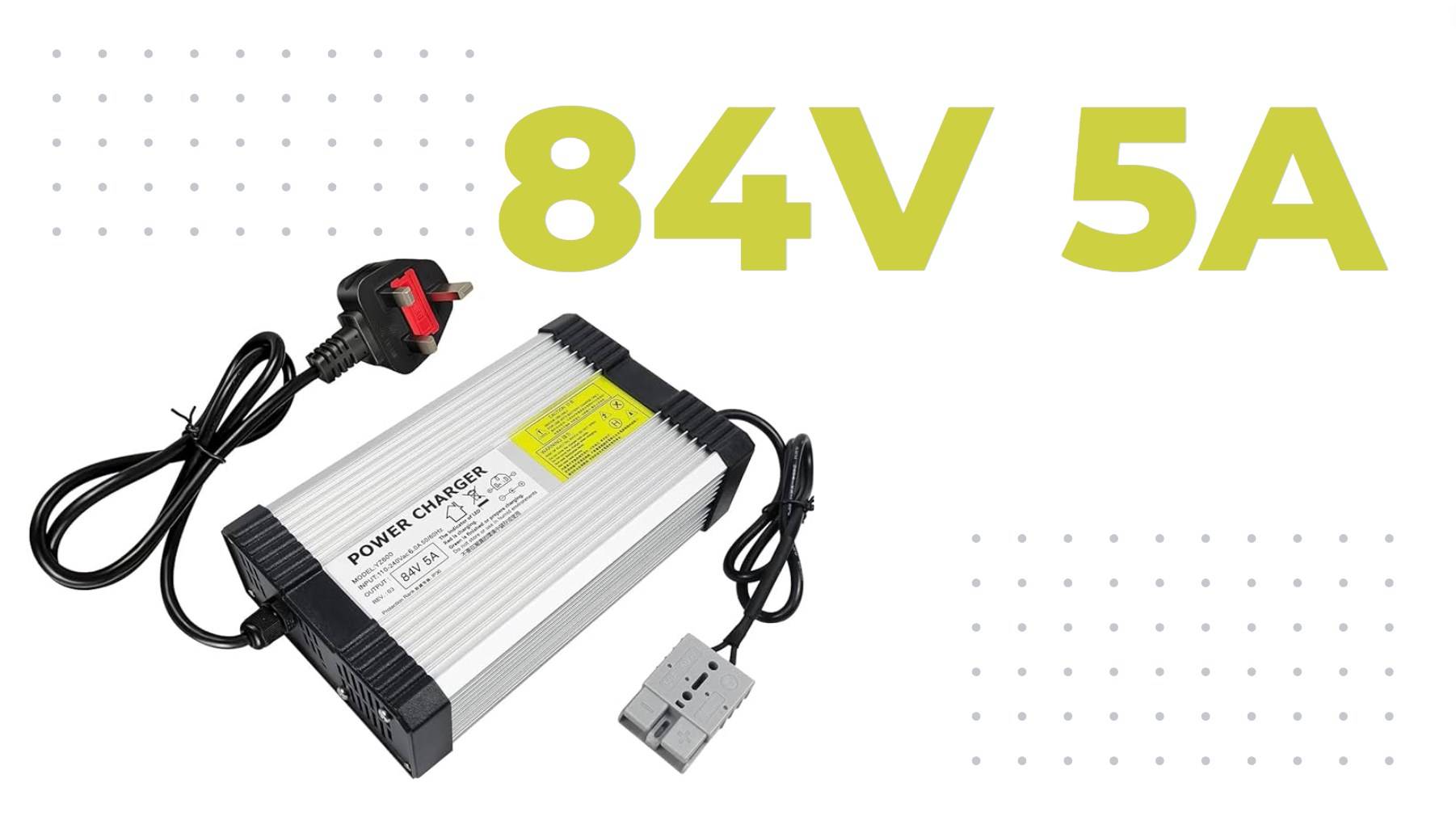
Choosing the best 84V lithium battery charger involves understanding the specific requirements of your battery, evaluating various charger types, and prioritizing safety features to ensure efficient and reliable performance. This guide will help you navigate through essential considerations while selecting a suitable charger.
What are 84V lithium batteries?
84V lithium batteries are specialized power sources commonly used in high-performance applications such as electric vehicles and e-bikes, providing substantial energy output necessary for demanding tasks. Their advanced technology offers benefits like lightweight design and faster charging capabilities compared to traditional lead-acid alternatives.
| Feature | Description |
|---|---|
| Voltage Rating | Provides high energy output |
| Energy Density | Higher than lead-acid batteries |
| Charge Time | Typically faster than conventional options |
What types of 84V lithium battery chargers are available?
There are several types of chargers designed specifically for 84V lithium batteries, each catering to different needs:
- Standard Chargers: Provide consistent power flow but take longer to charge.
- Fast Chargers: Deliver higher voltage and current, reducing charge time but may generate more heat.
- Smart Chargers: Automatically adjust parameters based on the battery’s condition, optimizing performance.
| Charger Type | Advantages | Disadvantages |
|---|---|---|
| Standard | Safe and reliable | Longer charge times |
| Fast | Quick charging | Risk of overheating |
| Smart | Prolongs battery life | Typically more expensive |
Which features should you look for in an 84V lithium battery charger?
When selecting an 84V charger, consider these essential features:
- Safety Protections: Look for overcharge, short-circuit, and thermal protection.
- Charging Speed: Evaluate how quickly the charger can replenish your battery.
- Compatibility: Ensure it is compatible with your specific battery type.
| Feature | Importance |
|---|---|
| Safety Protections | Prevents damage to both the charger and battery |
| Charging Speed | Affects overall efficiency and downtime |
| Compatibility | Ensures proper functioning |
What safety requirements must be considered for lithium battery charging?
Safety is crucial when dealing with lithium batteries. Key requirements include:
- Use chargers that meet relevant standards.
- Ensure proper ventilation during charging.
| Requirement | Description |
|---|---|
| Charger Standards | Must comply with safety specifications |
| Ventilation | Prevents overheating during operation |
What inspection procedures should be followed before charging?
Before charging, inspect your batteries thoroughly:
- Check for physical damage or deformation.
- Ensure there is no leakage or corrosion present.
- Confirm that connections are secure.
How can you ensure safe charging practices for lithium batteries?
To promote safe charging:
- Always use a charger designed specifically for your battery type.
- Avoid extreme temperatures during the charging process.
How do different charging technologies impact performance?
Different technologies like multi-stage and smart charging significantly affect performance by optimizing charge cycles and reducing wear on the battery, ultimately enhancing longevity.
What maintenance tips can prolong the lifespan of your charger?
To maintain your charger effectively:
- Keep it clean and free from dust.
- Store it in a cool, dry place when not in use.
Where can you find reliable sources for purchasing 84V chargers?
You can find reliable sources through authorized retailers, online marketplaces, or directly from manufacturers’ websites to ensure quality and warranty coverage.
Expert Views
“Selecting the right charger is not just about compatibility; it’s about ensuring safety and efficiency throughout the life cycle of your batteries,” says Jane Doe, a power management expert.
FAQ Section
- How long does it take to charge an 84V lithium battery?
Charging times vary based on the charger’s specifications but typically range from one to several hours depending on the charger’s type and capacity. - Can I use any charger for my 84V lithium battery?
No, always use a charger specifically designed for your particular model to avoid damage or safety hazards. - What should I do if my charger overheats during use?
Immediately disconnect it from power, allow it to cool down, and inspect both the charger and battery for any signs of damage before reuse.