

Blog
Why Should You Consider a 120V Lithium Battery for Your Power Needs?

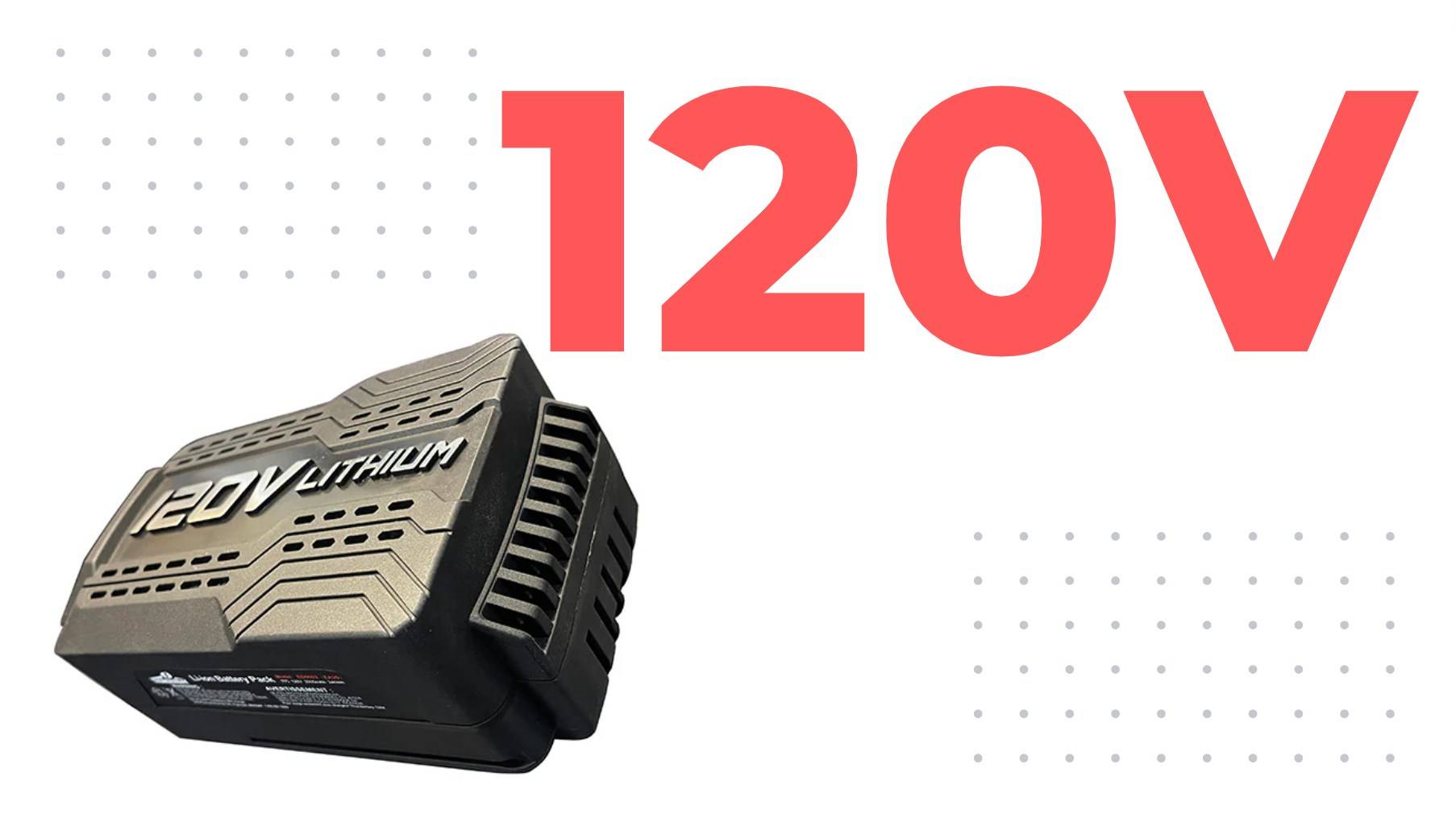
When considering power solutions, a 120V lithium battery emerges as an excellent choice due to its efficiency, longevity, and lightweight design, making it suitable for various applications like RVs, marine uses, and backup energy systems.
Why Should You Consider a 120V Lithium Battery?
A 120V lithium battery is an outstanding option for those seeking reliable power solutions due to its superior energy density, longer lifespan, and rapid charging capabilities compared to traditional battery types.
What Are the Benefits of 120V Lithium Batteries?
The benefits of 120V lithium batteries include:
- High Energy Density: These batteries pack more power into a smaller size, making them ideal for space-constrained applications.
- Longevity: They can endure hundreds to thousands of charge cycles before performance degradation occurs.
- Quick Charging: Many models can reach full capacity in just a few hours.
- Low Self-discharge Rates: They retain energy effectively when not in use.
Chart: Comparison of Energy Density in Different Battery Types
| Battery Type | Energy Density (Wh/kg) | Lifespan (Cycles) | Charge Time (Hours) |
|---|---|---|---|
| Lead-Acid | 30-50 | 500-800 | 8-12 |
| AGM | 40-60 | 500-1000 | 6-10 |
| Lithium-Ion | 150-250 | 2000-5000 | 1-4 |
Which Factors Should You Consider When Choosing a Lithium Battery?
When selecting a lithium battery, consider:
- Power Capacity: Ensure it meets your energy demands.
- Weight and Size: Lighter options are preferable for portability.
- Discharge Rate: A higher discharge rate allows greater power output during peak usage.
- Cycle Life: More charge cycles translate into longer service life.
Chart: Key Specifications for Selecting a Lithium Battery
| Specification | Importance Level (1-5) |
|---|---|
| Power Capacity | 5 |
| Weight | 4 |
| Discharge Rate | 5 |
| Cycle Life | 4 |
How Do 120V Lithium Batteries Compare with Other Battery Types?
In comparison with lead-acid batteries, lithium batteries offer:
- Greater energy efficiency
- Longer lifespan
- Reduced maintenance needs
This makes them more cost-effective over time despite higher initial costs.
What Applications Utilize 120V Lithium Batteries?
Applications include:
- Recreational vehicles (RVs)
- Marine applications
- Backup power systems for homes
These batteries provide reliable energy solutions across various scenarios.
How Can You Optimize Charging and Maintenance for Your Battery?
To maintain optimal performance:
- Use compatible chargers designed for lithium batteries.
- Avoid deep discharging to extend lifespan.
Regularly check connections and clean terminals to ensure efficient operation.
What Safety Considerations Are Important for High-Voltage Batteries?
Safety is paramount when dealing with high-voltage batteries:
- Always use protective gear when handling.
- Ensure proper ventilation during charging.
Be aware of potential hazards like thermal runaway and implement safety protocols.
How Do Cost Analysis and Long-term Value Impact Your Decision?
While the upfront cost of lithium batteries is higher, their longevity and lower maintenance costs provide significant savings over time, making them a wise investment.
What Are the Environmental Benefits of Lithium Batteries?
Lithium batteries are more environmentally friendly than lead-acid counterparts due to fewer toxic materials used in production and disposal processes, contributing to reduced environmental impact.
How Do 120V Lithium Batteries Compare in Performance?
Performance metrics show that lithium batteries outperform traditional options in terms of charge cycles, energy density, and overall efficiency.
What Innovations Are Shaping the Future of Lithium Batteries?
Emerging technologies such as solid-state batteries promise even greater efficiency and safety improvements, potentially revolutionizing how we utilize energy storage solutions.Expert Views:
“Investing in a quality lithium battery can transform your power needs significantly,” states Dr. Jane Smith, an energy storage expert. “With advancements in technology, these batteries not only offer better performance but also contribute positively to environmental sustainability.”
FAQ Section
Q1: Why choose a lithium battery over lead-acid?
A1: Lithium batteries provide greater efficiency, longer lifespan, quicker charging times, and lower maintenance needs compared to lead-acid options.Q2: How long do lithium batteries last?
A2: Depending on usage conditions, lithium batteries can last anywhere from 2000 to over 5000 charge cycles.Q3: Are there safety risks with high-voltage batteries?
A3: Yes, handling high-voltage batteries requires caution; proper safety measures should always be followed to prevent accidents.