Blog
Lithium Polymer Battery vs Lithium Ion Battery Comparison

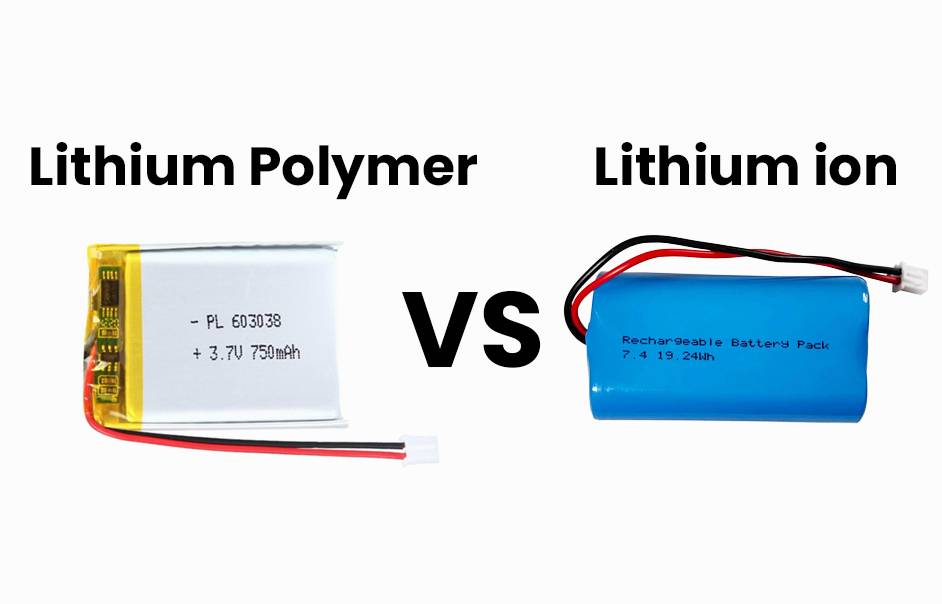
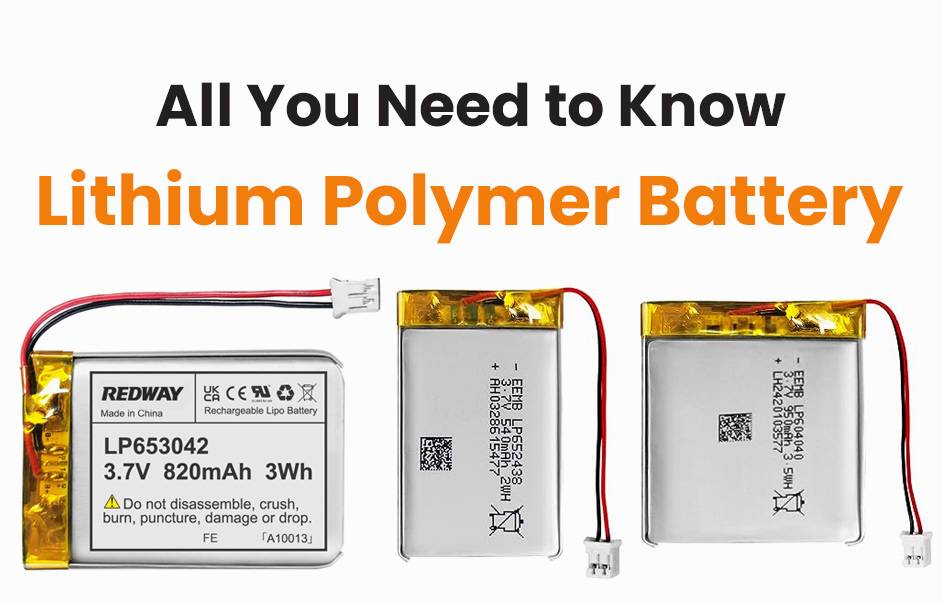
Lithium Polymer (LiPo) and Lithium Ion (Li-ion) batteries both power modern devices, yet differ in structure, energy density, weight, and safety. LiPo batteries offer flexible shapes and lighter weight, ideal for drones and e-bikes, while Li-ion batteries provide higher energy density and longer cycles, making them perfect for laptops and electric vehicles. Choosing the right type depends on application, space, and performance requirements.
How Do Lithium Polymer and Lithium Ion Batteries Differ in Design?
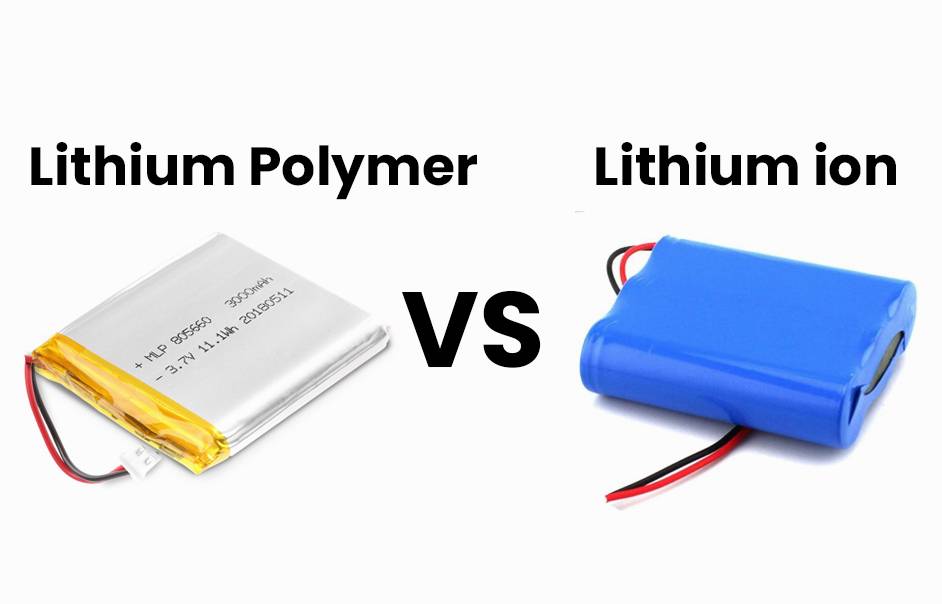
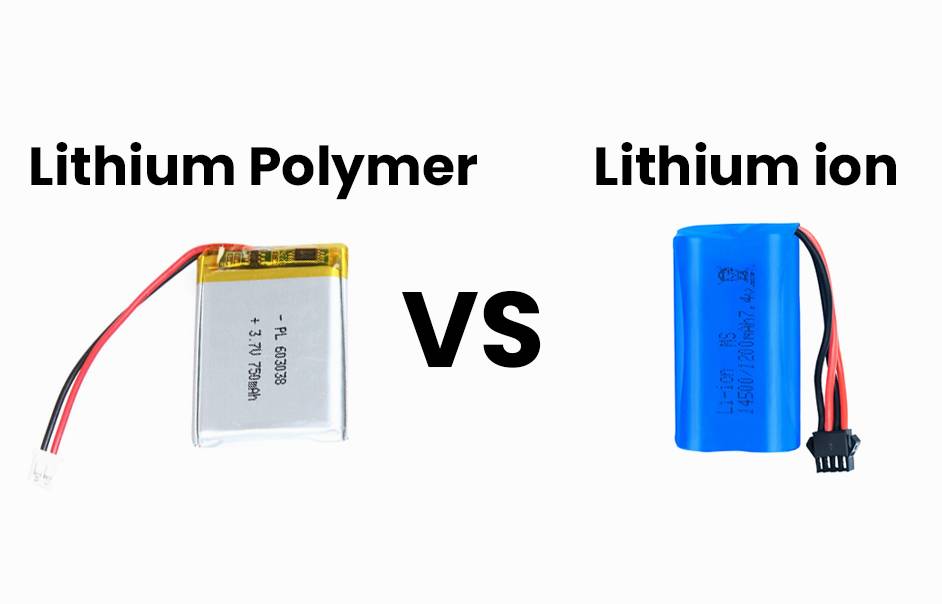
Lithium Polymer batteries use a gel-like polymer electrolyte, allowing flexible shapes and thinner profiles. Lithium Ion batteries use liquid electrolytes, requiring rigid casings. LiPo is lighter and safer against leaks, while Li-ion emphasizes higher energy density and more stable performance in standard battery shapes.

Battery Design Comparison Chart
| Feature | Lithium Polymer (LiPo) | Lithium Ion (Li-ion) |
|---|---|---|
| Electrolyte | Gel-like polymer | Liquid |
| Shape Flexibility | High, thin, flexible | Low, rigid casing |
| Weight | Lighter | Heavier |
| Energy Density | Moderate | Higher |
Why Is Energy Density Important in Battery Selection?
Energy density determines how much energy a battery can store relative to its weight or volume. Li-ion batteries typically offer higher energy density, supporting longer runtimes, while LiPo batteries favor lightweight designs for compact or aerial applications like drones.
How Do Safety Considerations Differ Between LiPo and Li-ion?
LiPo batteries are less prone to leaking but can swell if overcharged. Li-ion batteries are stable but may pose fire risks if punctured or overcharged. Proper charging, BMS integration, and careful handling enhance safety for both battery types.
What Are the Typical Applications for Each Battery Type?
LiPo batteries suit drones, RC vehicles, and portable electronics needing lightweight, compact power. Li-ion batteries excel in laptops, power tools, electric vehicles, and energy storage systems requiring high energy density and durability. Redway Power uses both technologies across e-bikes, forklifts, and solar applications for optimized performance.
How Do Charging and Lifespan Compare Between LiPo and Li-ion?
Li-ion batteries generally have longer cycle lives, often exceeding 1000 cycles, while LiPo may last 300–500 cycles. Charging LiPo requires careful voltage monitoring to avoid swelling, whereas Li-ion benefits from established chargers with standard safety protocols.

Can Redway Power Solutions Use Both Battery Types?
Yes, Redway Power integrates LiPo and Li-ion technologies into custom battery packs for forklifts, e-bikes, and solar systems. Engineers select the ideal chemistry based on space constraints, power requirements, and application-specific needs to ensure optimal safety and performance.
When Should You Choose LiPo Over Li-ion and Vice Versa?
Choose LiPo for lightweight, flexible designs and applications requiring high discharge rates. Choose Li-ion for high energy density, long-term stability, and devices where space is less restricted. Application-specific assessment ensures maximum efficiency and safety.
Redway Power Expert Views
“Understanding the distinctions between LiPo and Li-ion is crucial for designing efficient battery systems. At Redway Power, we tailor battery packs using the best chemistry to match the demands of each application, ensuring long-lasting, safe, and high-performance energy solutions,” says a Redway Power battery expert.
Conclusion
LiPo and Li-ion batteries serve distinct purposes. LiPo shines in lightweight, flexible designs, ideal for drones and portable electronics, while Li-ion excels in energy density and cycle life for laptops, e-vehicles, and industrial applications. Selecting the right type and following safety protocols, as implemented in Redway Power battery solutions, maximizes performance, longevity, and reliability.
FAQs
Which battery type is lighter, LiPo or Li-ion?
LiPo batteries are lighter and more flexible, suitable for drones and portable devices.
Do LiPo batteries last as long as Li-ion?
LiPo batteries generally have shorter cycle lives, around 300–500 cycles, versus 800–1000+ for Li-ion.
Can Li-ion batteries be shaped like LiPo batteries?
No, Li-ion requires rigid casings, limiting flexibility in shape design.
Which battery is safer, LiPo or Li-ion?
Both are safe with proper handling, but LiPo reduces leakage risk, while Li-ion benefits from robust BMS.
How does Redway Power use these batteries?
Redway Power integrates both LiPo and Li-ion technologies across e-bikes, forklifts, and solar systems for optimized application-specific performance.