

Blog
What Advanced Manufacturing Techniques Enhance LiFePO4 Efficiency?

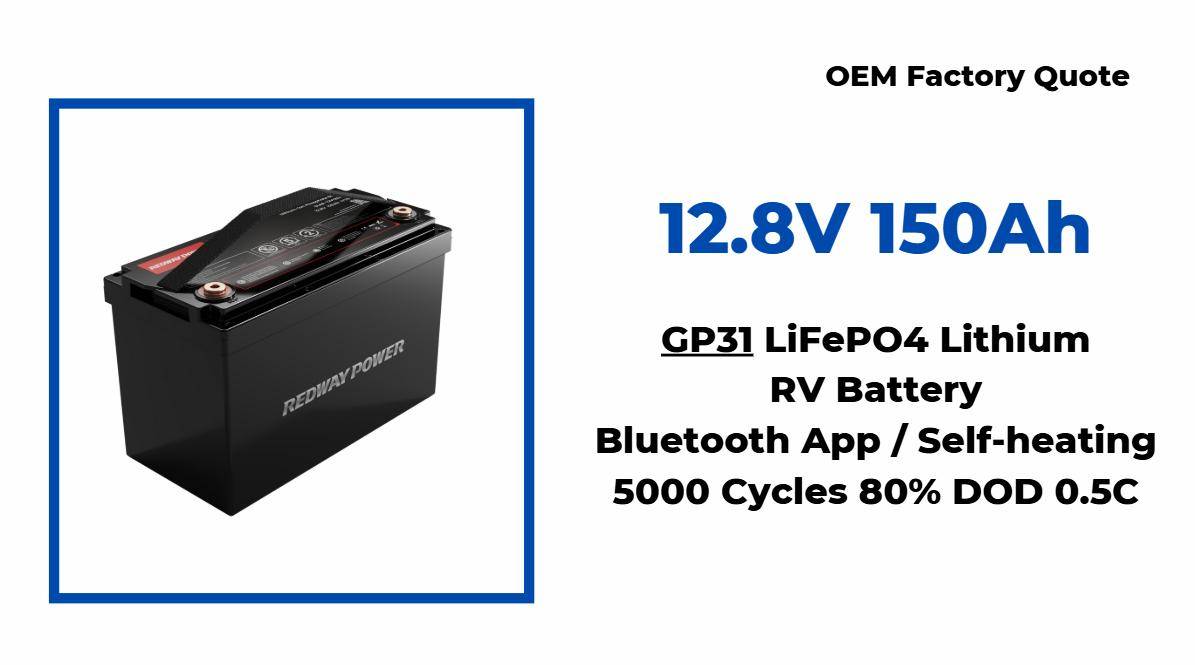
Advanced manufacturing techniques such as 3D printing, laser processing, and automated assembly lines significantly enhance the efficiency of lithium iron phosphate (LiFePO4) batteries by improving precision, reducing defects, and optimizing material usage during production.
How Do Innovations in Electrode Coating Improve Performance?
Innovations in electrode coating techniques lead to better adhesion and uniformity, which enhance ion transport within the battery. Improved coatings can result in higher energy density and longer cycle life, making LiFePO4 batteries more effective for various applications.
Chart: Impact of Electrode Coating on Battery Performance
| Coating Technique | Energy Density (Wh/kg) | Cycle Life (Cycles) |
|---|---|---|
| Traditional Coating | 140 | 2000 |
| Advanced Coating | 160 | 3000 |
What Role Does Automation Play in Battery Production?
Automation plays a crucial role by increasing production speed and consistency while minimizing human error. Automated systems can perform tasks such as precise alignment and assembly, ensuring that each battery meets stringent quality standards.
How Do New Materials Impact LiFePO4 Battery Efficiency?
The introduction of new materials, such as advanced binders and conductive additives, can significantly improve the electrochemical performance of LiFePO4 batteries. These materials enhance conductivity and stability, leading to better overall battery efficiency.
What Quality Control Measures Are Essential During Production?
Quality control measures such as real-time monitoring, rigorous testing at each production stage, and adherence to industry standards are essential to ensure that LiFePO4 batteries meet performance expectations and safety requirements.
Know more:
What Advanced Manufacturing Techniques Enhance LiFePO4 Efficiency?
What Are the Best Practices for LiFePO4 Batteries?
What Is the Manufacturing Process of LiFePO4 Batteries?
What Makes a Good LiFePO4 Battery?
What Is the DoD (Depth of Discharge) for LiFePO4 Batteries?
How Can 3D Printing Revolutionize LiFePO4 Battery Design?
3D printing allows for complex geometries and customized designs that traditional manufacturing methods cannot achieve. This technology can lead to improved electrode structures that enhance surface area and ion transport, ultimately boosting battery performance.
What Environmental Benefits Are Associated with Advanced Manufacturing?
Advanced manufacturing techniques often reduce waste and energy consumption during production processes compared to traditional methods. This shift not only lowers operational costs but also minimizes the environmental footprint associated with battery manufacturing.
How Do Cost Considerations Affect the Adoption of New Technologies?
While advanced manufacturing techniques may involve higher initial investments, their potential for increased efficiency, reduced material waste, and lower long-term operational costs often justify these expenses for manufacturers looking to improve their competitive edge.
Expert Views
“Embracing advanced manufacturing techniques is essential for enhancing the efficiency of LiFePO4 batteries. As technology evolves, these innovations will play a pivotal role in meeting growing energy demands while ensuring sustainability.” — Expert from Redway
Conclusion
Advanced manufacturing techniques have a profound impact on improving the efficiency of lithium iron phosphate (LiFePO4) batteries by enhancing production precision, reducing waste, and optimizing performance characteristics. As these technologies continue to evolve, they will play a crucial role in advancing battery technology and meeting future energy needs.
FAQs
- What advanced manufacturing techniques enhance LiFePO4 efficiency?
Techniques like 3D printing, laser processing, and automated assembly improve precision and reduce defects during production. - How do innovations in electrode coating improve performance?
Advanced coatings lead to better adhesion and uniformity, enhancing ion transport and resulting in higher energy density. - What role does automation play in battery production?
Automation increases production speed and consistency while minimizing human error during assembly processes.