

Blog
What Is the Core Technology Behind BCI Batteries?

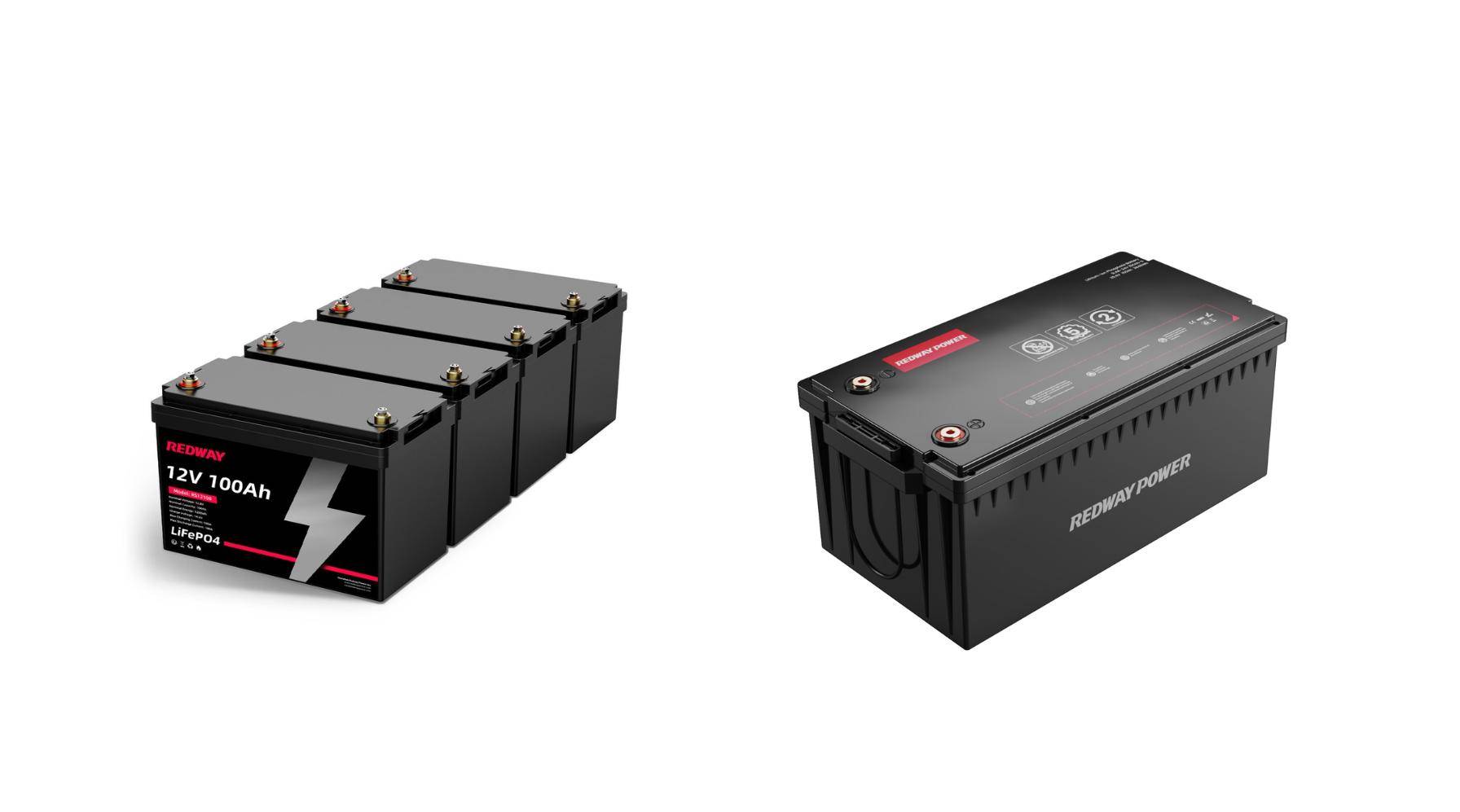
BCI (Battery Council International) batteries, primarily lead-acid types, generate power through electrochemical reactions between lead plates and sulfuric acid electrolyte. Their core technology relies on reversible chemical processes for energy storage and discharge, optimized for high cranking power, durability, and cost-efficiency. These batteries dominate automotive and industrial applications due to their reliability and recyclability.
How Do BCI Batteries Convert Chemical Energy into Electricity?
BCI batteries use lead dioxide (PbO₂) as the positive plate, sponge lead (Pb) as the negative plate, and sulfuric acid (H₂SO₄) as the electrolyte. During discharge, PbO₂ and Pb react with H₂SO₄ to form lead sulfate (PbSO₄) and water, releasing electrons. Recharging reverses this reaction, restoring the plates and electrolyte to their original state.

What Materials Are Critical to BCI Battery Efficiency?
Lead alloys (calcium or antimony) enhance plate durability and reduce water loss. High-purity sulfuric acid ensures optimal ion conductivity. Advanced separators prevent short circuits while allowing ion flow. These materials collectively improve energy density, cycle life, and thermal stability, making BCI batteries suitable for extreme temperatures and frequent charge-discharge cycles.
Recent advancements in lead-calcium alloys have reduced gas emissions during charging by 40%, addressing one of the traditional drawbacks of flooded lead-acid batteries. Manufacturers now use polyethylene separators with ribbed designs to enhance electrolyte circulation, which improves charge acceptance by 15% compared to older glass mat separators. The table below highlights key material advancements:
| Material | Function | Performance Gain |
|---|---|---|
| Calcium-Lead Alloy | Reduces water decomposition | 60% less maintenance |
| Carbon-doped Plates | Prevents sulfation | 30% longer cycle life |
| Silica-enhanced Electrolyte | Improves cold weather performance | +20% CCA at -18°C |
Why Are BCI Batteries Dominant in Automotive Applications?
BCI batteries deliver high cold-cranking amps (CCA) to start engines in low temperatures. Their robust design withstands vibrations and shocks. Low self-discharge rates ensure readiness during storage. Compared to lithium-ion, lead-acid BCI batteries are cheaper to produce and recycle, with established infrastructure for reuse and disposal, aligning with automotive industry demands.
Know more:
What Is a BCI Battery? Understanding Standards and Applications
How Do BCI Batteries Differ Technically from Other Battery Types?
How Did BCI Batteries Evolve From Early Designs to Modern Applications
How to Choose the Right BCI Battery for Your Vehicle?
What Is the Core Technology Behind BCI Batteries?
Why Are BCI Batteries the Top Choice for Green Energy Solutions?

How Does Temperature Affect BCI Battery Performance?
Cold temperatures slow electrochemical reactions, reducing CCA and risking startup failure. Heat accelerates water evaporation and plate corrosion, shortening lifespan. BCI batteries mitigate this through optimized plate alloys and electrolyte formulations. Thermal management systems in modern vehicles further stabilize operating temperatures, extending battery life across climates.
What Innovations Are Extending BCI Battery Lifespan?
Carbon-enhanced negative plates reduce sulfation, a common failure mode. AGM (Absorbent Glass Mat) technology immobilizes electrolyte, minimizing acid stratification and spillage. Smart charging algorithms prevent overcharge/undercharge. These innovations push cycle life beyond 500 cycles, rivaling newer chemistries while maintaining cost advantages.
Advanced AGM designs now incorporate pressure-regulated valves that maintain optimal internal humidity, reducing corrosion by 25%. Hybrid batteries combining carbon foam electrodes with traditional lead plates show promise in lab tests, achieving 1,200 cycles at 50% depth of discharge. The following table compares lifespan improvements:
| Innovation | Cycle Life (Standard) | Cycle Life (Enhanced) |
|---|---|---|
| Traditional Flooded | 200-300 | – |
| AGM Technology | 400-500 | 600+ (with carbon) |
| EFB Technology | 300-400 | 500+ (with smart charging) |
Can BCI Batteries Integrate with Renewable Energy Systems?
Yes. BCI batteries serve as cost-effective storage for solar/wind setups. Their deep-cycle variants tolerate partial state-of-charge operation. While less energy-dense than lithium-ion, their lower upfront cost and recyclability make them viable for off-grid and backup power applications. Hybrid systems often pair BCI with lithium to balance performance and affordability.
Expert Views
“BCI batteries remain irreplaceable in sectors prioritizing reliability over weight savings. Recent advances in carbon additives and modular designs are bridging the gap with lithium-ion, ensuring their relevance in electrified transport and grid storage.” — Dr. Elena Torres, Senior Battery Engineer at Voltan Innovations
Conclusion
BCI batteries leverage proven lead-acid chemistry refined over decades. Their adaptability to technological upgrades and environmental regulations cements their role in energy storage. While emerging technologies challenge their market share, continuous innovation ensures BCI batteries remain a cornerstone of automotive and industrial power systems.
FAQs
- How Long Do BCI Batteries Typically Last?
- 3–5 years under normal conditions. Factors like temperature, charging habits, and vibration influence lifespan. Regular maintenance (cleaning terminals, checking electrolyte levels) extends longevity.
- Are BCI Batteries Recyclable?
- Yes. Over 99% of lead in BCI batteries is recycled. Repurposing processes recover lead, plastic, and sulfuric acid, minimizing environmental impact compared to non-recyclable alternatives.
- Can BCI Batteries Power Electric Vehicles (EVs)?
- No. EVs require high energy-density lithium-ion batteries for range and weight efficiency. BCI batteries are used in EV auxiliary systems (lighting, infotainment) but not primary propulsion.
