

Blog
What Makes Lithium-Ion Batteries the Best Choice for Forklifts?

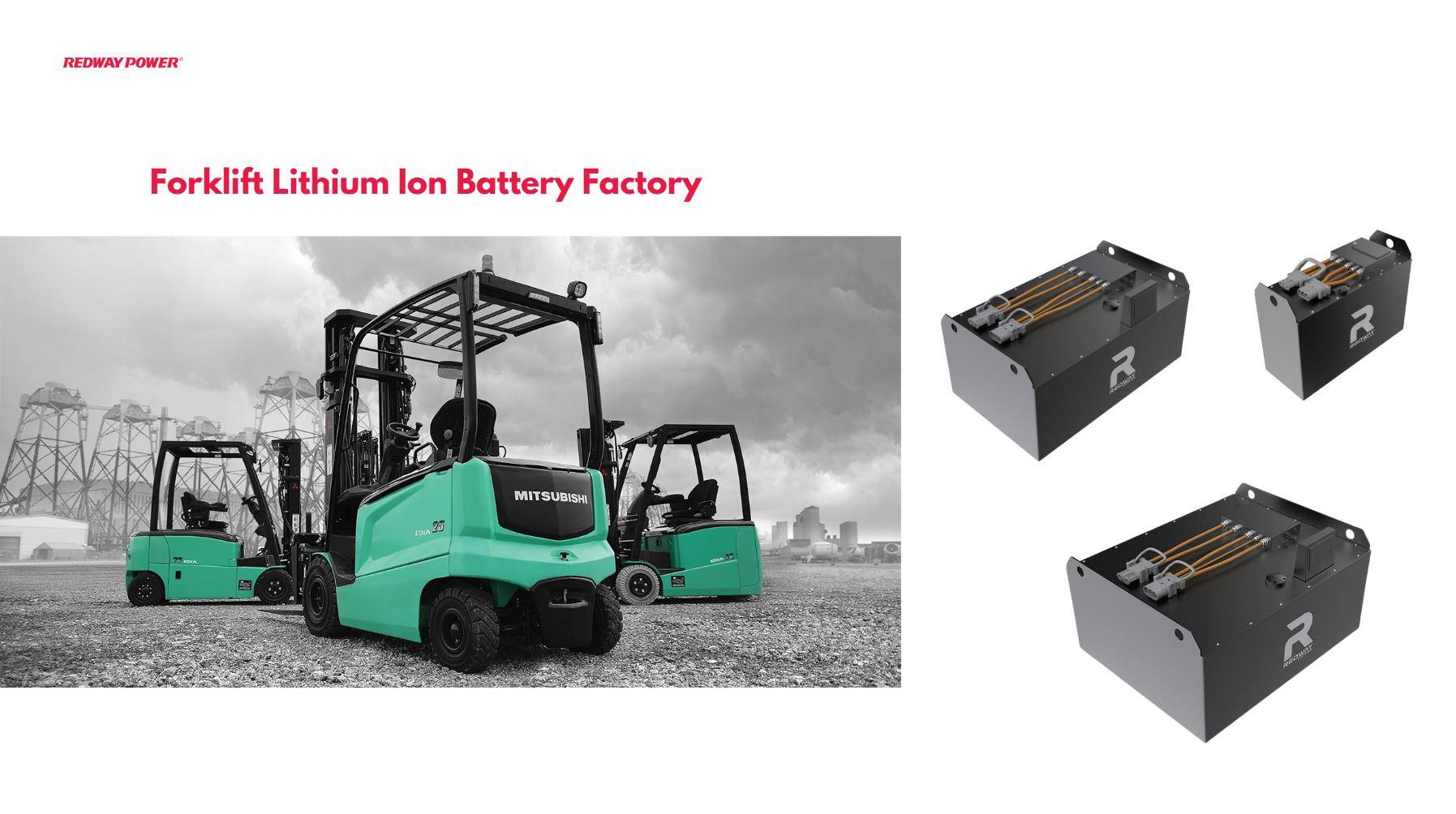
Lithium-ion batteries have become the preferred power source for modern forklifts, offering significant advantages in performance and efficiency. These advanced energy storage solutions are transforming warehouse operations through their combination of power, longevity, and environmental benefits.
LiFePO4 Forklift Batteries OEM Manufacturer
How Does the Lifespan of Forklift Lithium-Ion Batteries Compare to Traditional Options?
Lithium-ion batteries last 3-5 times longer than lead-acid, with 10+ years of service under optimal conditions. Unlike lead-acid, they avoid sulfation degradation and retain 80% capacity after 3,000 cycles. Partial charging doesn’t harm them, enabling opportunity charging during breaks.
Recent case studies from automotive manufacturing plants demonstrate lithium-ion’s endurance advantages. A BMW Group facility reported completing 12,000 charge cycles over seven years while maintaining 82% capacity. This extended lifespan directly translates to fewer battery replacements – where lead-acid typically requires 3-5 replacements per lithium-ion unit’s lifespan. The chemistry’s inherent stability prevents the plate corrosion common in lead-acid models, particularly in fast-charging scenarios. Thermal management systems further prolong service life by maintaining optimal operating temperatures, even in freezer warehouse applications at -20°C.
| Battery Type | Cycle Life | 10-Year Replacement Count | Capacity Retention |
|---|---|---|---|
| Lithium-Ion | 3,000-5,000 | 0-1 | 80% |
| Lead-Acid | 1,000-1,500 | 3-5 | 50% |
What Are the Hidden Costs of Lithium-Ion Forklift Batteries?
Upfront costs are 2-3x higher than lead-acid ($8k-$15k vs. $3k-$6k), but lifetime savings offset this. A 2022 study showed 40% lower total cost over 10 years due to reduced maintenance, energy, and replacement costs. Rebates for eco-friendly upgrades further improve ROI.
While the initial investment gives pause to some operators, lifecycle cost analysis reveals surprising savings. A major logistics company documented $78,000 in savings per battery over eight years through eliminated watering systems, reduced charging infrastructure, and lower labor costs. Energy consumption drops 30% due to higher charge efficiency – a critical factor with rising electricity prices. Hidden advantages include space optimization (no acid containment areas needed) and reduced insurance premiums from improved safety profiles. Third-party leasing programs now offer lithium-ion packages at comparable monthly rates to lead-acid ownership, removing upfront cost barriers.
What Safety Features Do Lithium-Ion Forklift Batteries Offer?
Built-in Battery Management Systems (BMS) prevent overcharging, overheating, and short circuits. Thermal stability reduces fire risks, while sealed designs eliminate acid leaks. Lithium-ion operates efficiently in -20°C to 60°C, unlike lead-acid, which loses 50% capacity below 0°C.
How Do Charging Practices Impact Lithium-Ion Battery Performance in Forklifts?
Opportunity charging (topping up during breaks) maximizes uptime without memory effect. Fast charging at 1C rate completes in 1-2 hours. Avoid deep discharges; lithium-ion performs best between 20%-80% charge. Energy efficiency is 95% vs. lead-acid’s 70-80%, cutting electricity costs.
Expert Views
“Redway’s lithium-ion forklift batteries integrate AI-driven predictive analytics to optimize charging cycles and prevent failures,” says Dr. Elena Torres, Senior Engineer at Redway Power Solutions. “Our latest models cut energy consumption by 22% using regenerative braking, a game-changer for high-traffic logistics hubs. Partnering with Toyota Material Handling, we’ve achieved 99.8% uptime in automotive plants.”
FAQs
- Can lithium-ion forklift batteries explode?
- Extremely rare. BMS and thermal controls reduce risks to <0.001% per NHTSA data—far safer than lead-acid’s hydrogen gas hazards.
- Do lithium-ion batteries require special storage?
- Store at 15°C-25°C in dry areas. No ventilation needed, unlike lead-acid, which emits corrosive fumes.
- How long does a lithium-ion forklift battery take to charge?
- 1-3 hours for full charge; 30-minute opportunity charging adds ~40% capacity.
What makes lithium-ion batteries the best choice for forklifts?
Lithium-ion batteries are ideal for forklifts due to their fast charging, longer lifespan, and consistent performance. They reduce downtime, require minimal maintenance, and save space since they don’t need dedicated charging rooms. Their efficiency and safety features, including built-in Battery Management Systems (BMS), make them a reliable choice for continuous operations.
How do lithium-ion batteries improve forklift productivity?
Lithium-ion batteries enhance forklift productivity by offering fast charging times of just 1-2 hours, allowing for opportunity charging during breaks. Their consistent power output prevents performance dips, unlike lead-acid batteries, and eliminates the need for battery swapping, which reduces downtime and increases operational efficiency.
What are the cost benefits of lithium-ion batteries for forklifts?
Lithium-ion batteries lower operational costs by requiring less maintenance, such as no watering or equalizing. They last 2-4 times longer than lead-acid batteries, offering a better long-term investment. Additionally, they save valuable warehouse space, as they don’t need dedicated charging rooms or multiple batteries for swapping.
How does the environmental impact of lithium-ion batteries compare to lead-acid?
Lithium-ion batteries are more environmentally friendly than lead-acid batteries. They produce zero emissions during use, reduce the need for frequent battery disposal, and have a longer lifespan. This reduces both the environmental impact and the frequency of battery replacements, making them a more sustainable choice.
Why are lithium-ion batteries safer than lead-acid batteries in forklifts?
Lithium-ion batteries are safer because they include a Battery Management System (BMS) that monitors temperature and prevents overheating, a common issue with lead-acid batteries. This system ensures safe charging and operation, minimizing the risk of accidents or fires compared to traditional battery technologies.
How long do lithium-ion batteries last in forklifts?
Lithium-ion batteries typically last 3-5 times longer than lead-acid batteries, offering up to 10 years of service under optimal conditions. Their extended lifespan, combined with fast charging and high efficiency, makes them a cost-effective and reliable solution for forklift operations.