

Blog
What Are the Best Forklift Leasing and Financing Solutions?

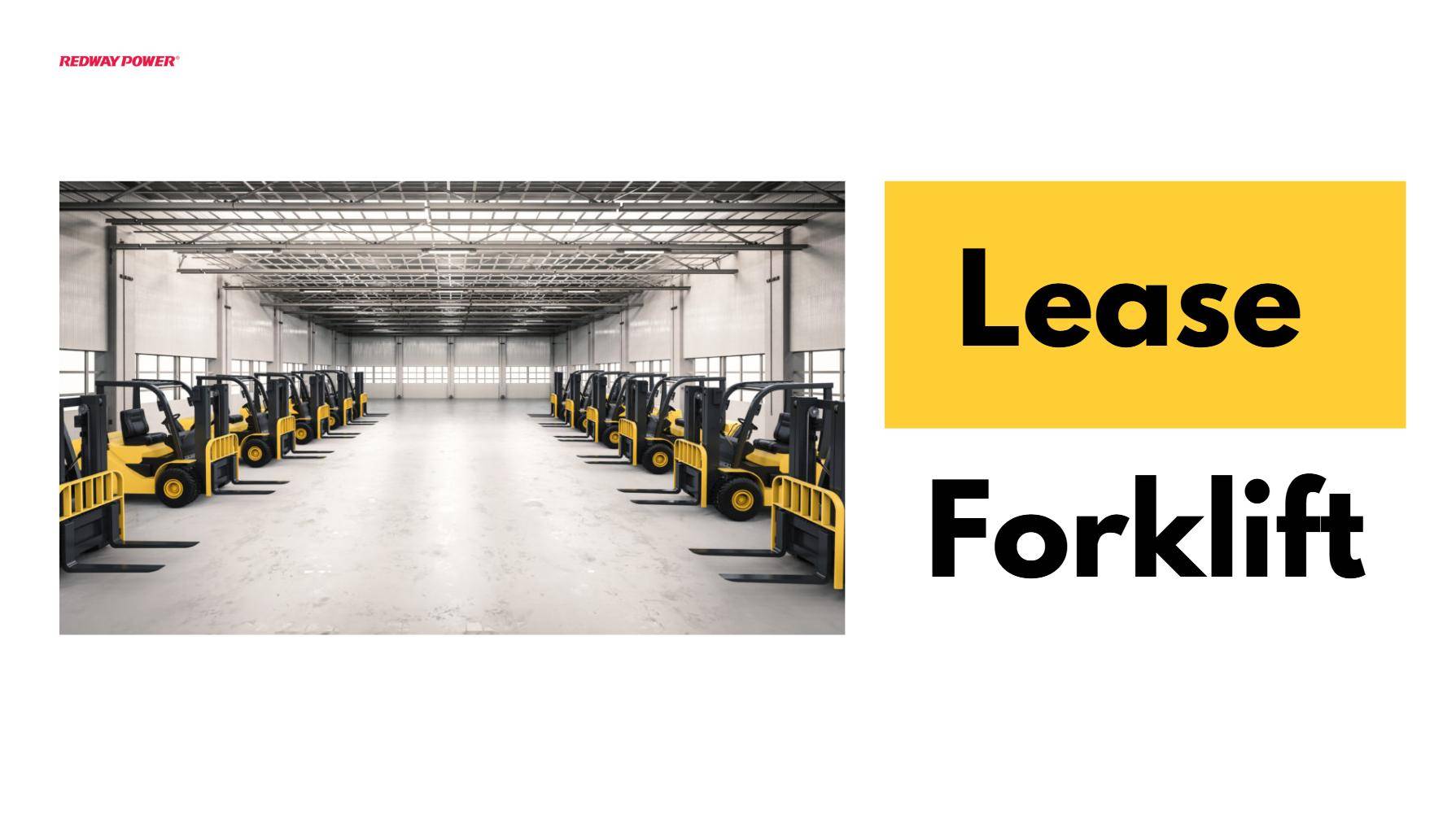
Forklift leasing and financing solutions provide businesses with flexible options to acquire equipment without upfront costs. Leasing offers lower monthly payments, tax benefits, and upgrades to newer models, while financing allows eventual ownership. Solutions vary based on credit, lease terms, and fleet size, with options like operating leases, capital leases, and loans. Expert providers tailor plans to optimize cash flow and operational efficiency.
LiFePO4 Forklift Batteries OEM Manufacturer
How Does Forklift Leasing Work?
Forklift leasing involves renting equipment for a fixed term (1-5 years) with monthly payments. Businesses avoid upfront costs, preserve capital, and return, upgrade, or purchase the forklift at lease-end. Operating leases classify as off-balance-sheet expenses, while capital leases build equity. Terms include mileage limits, maintenance clauses, and buyout options.
Modern leasing programs often include telematics integration to monitor equipment usage and maintenance needs. For example, a 3-year operating lease might offer predictive maintenance alerts through IoT sensors, reducing unexpected downtime. Companies can also negotiate seasonal payment structures – lower installments during off-peak months paired with higher payments during busy periods. This flexibility is particularly valuable for industries like agriculture or retail with cyclical demand.
| Lease Type | Ownership Option | Tax Treatment |
|---|---|---|
| Operating Lease | No | Expensed |
| Capital Lease | Yes | Depreciated |
What Tax Advantages Exist for Forklift Leasing?
Lease payments are tax-deductible as operational expenses, reducing taxable income. Capital leases allow depreciation claims and interest expense deductions. Section 179 deductions may apply if leasing leads to ownership. Consult accountants to maximize benefits under current tax laws.
The 2023 IRS updates expanded write-off limits for leased equipment under Section 179, allowing businesses to deduct up to $1.16 million of qualified leasehold improvements. For example, a logistics company leasing 10 forklifts under a capital lease could depreciate the total asset value over 5 years while deducting interest payments. Some states offer additional green energy tax credits for leasing electric forklifts – California provides up to 15% credit on lease payments for zero-emission equipment. Always maintain detailed records of mileage logs and maintenance schedules to substantiate deductions during audits.
| Expense Type | Deduction Cap | Documentation Required |
|---|---|---|
| Lease Payments | 100% | Contract copies |
| Interest | 30% of EBITDA | Loan statements |
Which Factors Affect Forklift Financing Approval?
Credit score, business revenue, down payment, and lease term length impact approval. Lenders assess debt-to-income ratios, industry risk, and collateral value. Startups may require co-signers, while established firms negotiate better rates. Documentation includes tax returns, balance sheets, and cash flow statements.
What Types of Forklift Leases Are Available?
Operating leases (pay for usage, off-balance-sheet), capital leases (ownership transfer, depreciation claims), and lease-to-own agreements. Fair market value (FMV) leases offer flexible end terms, while $1 buyout leases guarantee ownership. Seasonal or short-term leases cater to project-based needs.
How to Choose Between Leasing and Financing Forklifts?
Evaluate cash flow, tax strategy, and equipment longevity. Leasing suits short-term needs or frequent upgrades; financing is ideal for long-term use and equity building. Compare interest rates, tax implications, and total cost of ownership. Consult financial advisors to align with business goals.
Who Handles Maintenance in a Forklift Lease Agreement?
Full-service leases include maintenance, repairs, and parts coverage. Lessees pay extra for this add-on in base agreements. Liability for wear-and-tear or damage varies by contract. Clarify responsibilities for tires, batteries, and OSHA compliance upfront.
How Does Forklift Financing Impact Credit?
Financing appears as debt on credit reports, potentially lowering scores temporarily. Timely payments improve credit history. Defaults risk liens on the equipment. Leases may not report to bureaus unless payments are missed. Startups should confirm reporting policies with lenders.
“Forklift leasing is evolving with hybrid models blending fintech and IoT,” says a Redway logistics expert. “Clients now prioritize scalability—opting for AI-driven usage analytics to optimize lease terms. We’ve seen 30% cost savings by bundling maintenance and energy-efficient upgrades into contracts. Always negotiate residual value clauses to hedge against market fluctuations.”
Forklift leasing and financing solutions empower businesses to balance cash flow and operational demands. By evaluating tax benefits, maintenance terms, and credit impacts, companies can select tailored plans. Emerging trends like bundled IoT services and flexible FMV leases redefine cost efficiency. Partnering with expert providers ensures alignment with long-term financial and logistical goals.
FAQs
- Can Startups Qualify for Forklift Leasing?
- Yes, but lenders may require higher down payments or co-signers. Startups should showcase revenue projections and opt for shorter initial terms.
- Are Used Forklifts Eligible for Leasing?
- Yes, many lenders lease refurbished models. Rates depend on age, condition, and residual value. Inspect certifications and warranty coverage.
- What Happens if a Forklift Breaks Down Under Lease?
- Full-service leases cover repairs at no extra cost. Review agreements for response times, loaner equipment clauses, and labor fees.
What are the best forklift leasing options?
The best forklift leasing options include flex leases for flexibility, full-service leases that cover maintenance, and Fair Market Value (FMV) leases that allow for lower monthly payments. A Dollar Buyout lease offers a fixed purchase option at the end, while long-term rentals provide flexibility without capital investment.
What are the top forklift financing solutions?
Top forklift financing solutions include hire purchase agreements, where you pay in installments and own the forklift, and business loans for long-term equipment use. Asset refinance is another option, allowing businesses to unlock capital from existing forklifts while continuing to use them.
How does a flex lease work for forklifts?
A flex lease offers adjustable terms, allowing businesses to upgrade equipment or purchase it early. It provides flexibility and is ideal for companies with fluctuating needs, as it allows changes to the lease agreement based on operational demands.
What is a full-service forklift lease?
A full-service forklift lease offers predictable monthly payments that often include maintenance and repair costs. At the end of the term, you return the forklift, ensuring no responsibility for repairs or residual value. This option is great for businesses seeking hassle-free operation.
What is the difference between a hire purchase and a forklift loan?
In a hire purchase, you pay for the forklift in installments and own it once the final payment is made. A forklift loan involves borrowing money to buy the equipment, and ownership is acquired immediately, with repayment spread over a set period.
What is asset refinance for forklifts?
Asset refinance allows a business to sell an existing forklift to a finance company and lease it back. This provides immediate cash for operational needs while continuing to use the equipment. It’s useful for companies looking to improve cash flow without selling their assets.
