Blog
What You Need to Know About Battery Chargers

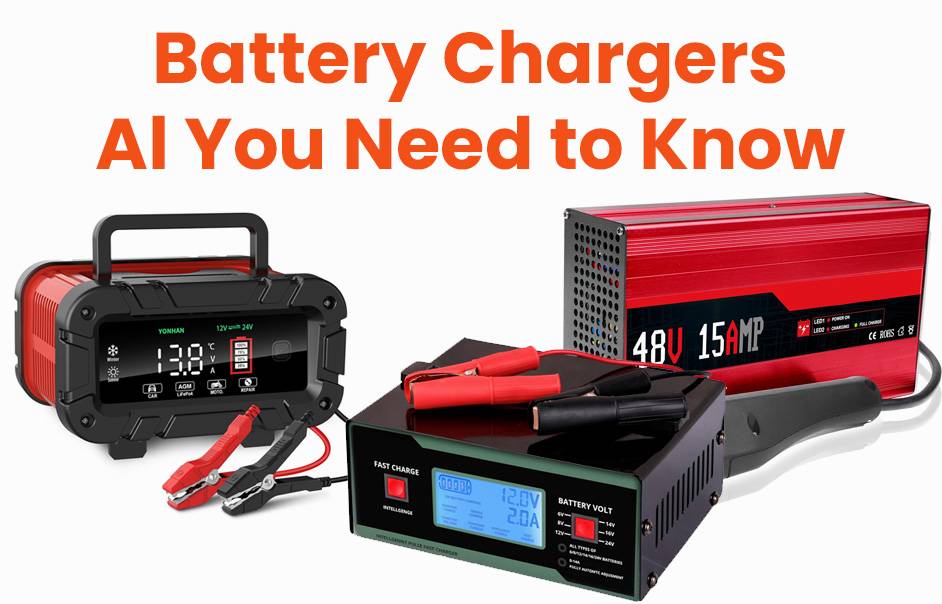
Battery chargers are essential devices that replenish the energy stored in batteries, ensuring they remain operational for various applications. Understanding the different types of chargers, their functionalities, and safety precautions is crucial for effective battery management.
What Are the Different Types of Battery Chargers?
There are several types of battery chargers, each designed for specific applications:
- Manual Battery Chargers: Require user intervention to monitor charging progress and disconnect when fully charged.
- Automatic Battery Chargers: Automatically adjust charging rates and stop when batteries are full, preventing overcharging.
- Smart Chargers: Use advanced technology to optimize charging cycles based on battery condition.
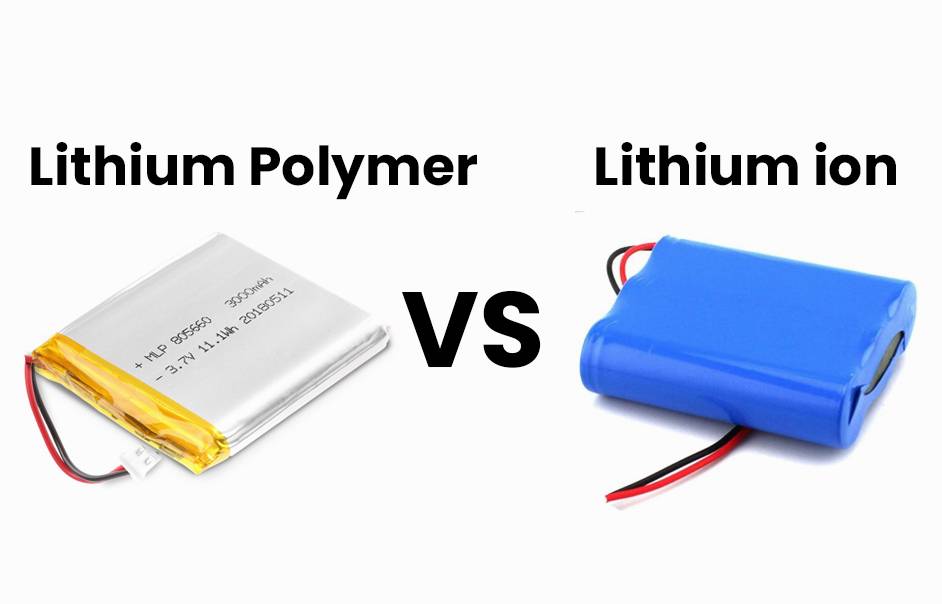
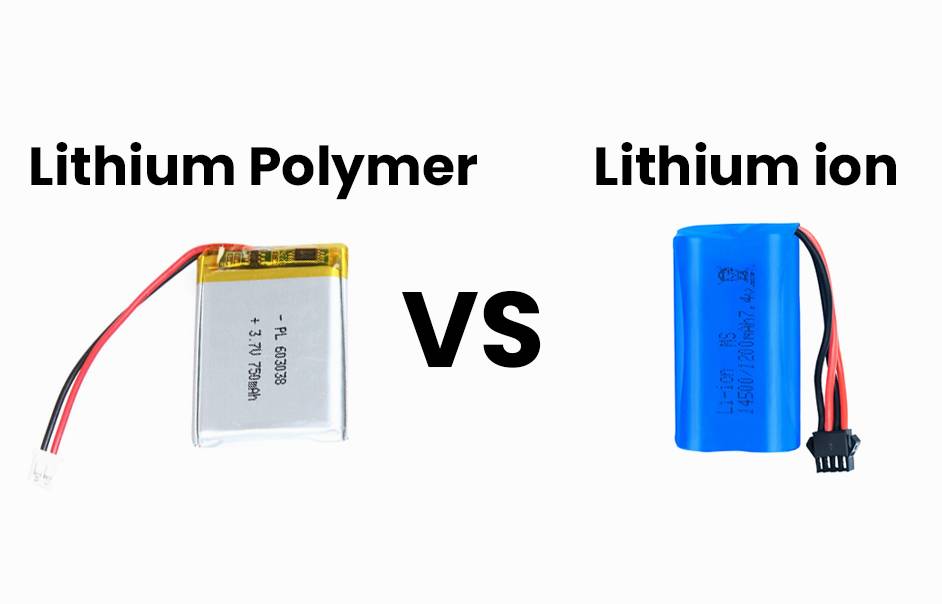
- Specialty Chargers: Designed for specific types of batteries, such as lithium-ion or lead-acid.
Chart: Types of Battery Chargers
| Charger Type | Description |
|---|---|
| Manual | User monitors and controls charging |
| Automatic | Stops charging automatically when full |
| Smart | Optimizes charging based on battery condition |
| Specialty | Tailored for specific battery types |
How Do Manual and Automatic Battery Chargers Differ?
The primary difference between manual and automatic chargers lies in their operation:
- Manual Chargers: Require constant supervision. Users must monitor the charge level and disconnect the charger when the battery is full to avoid damage.
- Automatic Chargers: Feature built-in mechanisms that detect when a battery is fully charged, automatically switching off or reducing the charge rate to prevent overcharging.
Chart: Manual vs. Automatic Charger Comparison
| Feature | Manual Charger | Automatic Charger |
|---|---|---|
| Monitoring Required | Yes | No |
| Risk of Overcharging | Higher | Lower |
| User Intervention | Required | Not required |
What Are Specialty Battery Chargers and Their Uses?
Specialty battery chargers are designed for specific applications or battery types. Examples include:
- Solar Battery Chargers: Used to charge batteries using solar panels.
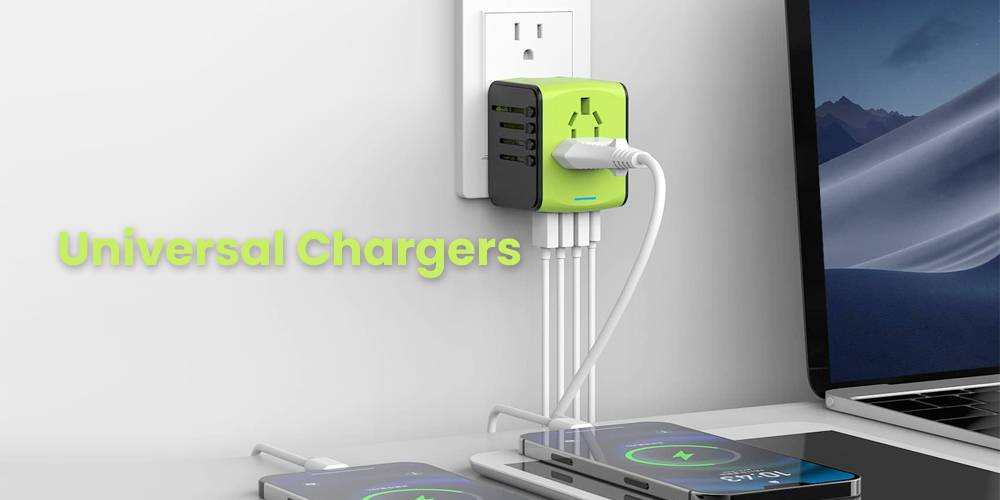
- Smartphone and Device Chargers: Designed for portable devices with specific voltage and current requirements.
- Industrial Chargers: Built for heavy-duty applications like forklifts or electric vehicles.
Chart: Examples of Specialty Chargers
| Charger Type | Application |
|---|---|
| Solar Charger | Charges batteries using solar energy |
| Smartphone Charger | Tailored for mobile devices |
| Industrial Charger | For heavy-duty equipment like forklifts |
Why Is Safety Important When Using Battery Chargers?
Safety is paramount when using battery chargers due to potential hazards:
- Overheating: Incorrect usage can lead to overheating, which may cause fires or explosions.
- Chemical Hazards: Batteries contain corrosive materials; improper handling can result in chemical burns.
- Electrical Shock: Improper connections can lead to electric shock.
Chart: Safety Precautions When Charging
| Precaution | Description |
|---|---|
| Monitor Charging | Keep an eye on the charger during use |
| Use in Ventilated Areas | Prevent overheating by ensuring good airflow |
| Wear Protective Gear | Use gloves and goggles when handling batteries |
How Can You Choose the Right Charger for Your Needs?
Choosing the right charger involves several considerations:
- Battery Type: Ensure compatibility with your specific battery chemistry (e.g., lithium-ion vs. lead-acid).
- Charging Speed: Determine how quickly you need your battery charged; some chargers offer fast charging capabilities.
- Features Needed: Look for features such as automatic shut-off, smart technology, or multi-voltage options.
Chart: Choosing the Right Charger
| Factor | Consideration |
|---|---|
| Battery Type | Match charger to battery chemistry |
| Charging Speed | Assess how quickly you need a charge |
| Desired Features | Look for smart technology or automatic shut-off |
Tips for Battery Wholesale Buyers: How to Choose a Reliable Manufacturer?
When considering wholesale purchases or OEM orders for batteries, it’s crucial to choose a reliable manufacturer. Here are some tips:
- Research Manufacturer Reputation: Look for established companies like Redway Power, known for quality and reliability.
- Evaluate Product Range: Ensure they offer various battery types suitable for your needs.
- Check Certifications: Confirm compliance with industry standards.
For OEM orders from a reputable manufacturer like Redway Power, which has over 13 years of experience in lithium battery manufacturing, ensure clear communication regarding specifications and delivery timelines. This approach helps secure high-quality products that serve as excellent alternatives to lead-acid batteries.
Redway Power Expert Views
“Understanding the various types of battery chargers and their specific applications is crucial for optimizing battery performance and safety. By selecting the right charger, users can significantly enhance their equipment’s reliability,” states an expert from Redway Power.
FAQ Section
- What types of battery chargers are available?
Common types include manual, automatic, smart, and specialty chargers. - Why is safety important when using battery chargers?
Improper use can lead to overheating, chemical hazards, and electrical shocks. - How do I choose the right charger?
Consider factors such as battery type, charging speed, and desired features when selecting a charger.