Blog
Solar Panel Series vs Parallel: Which is Better?

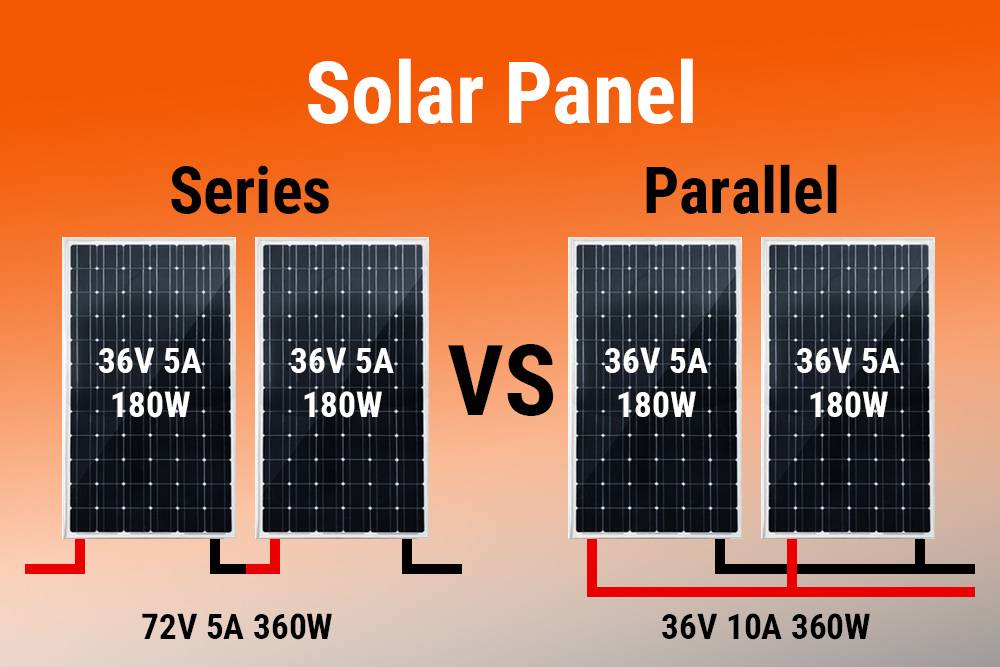
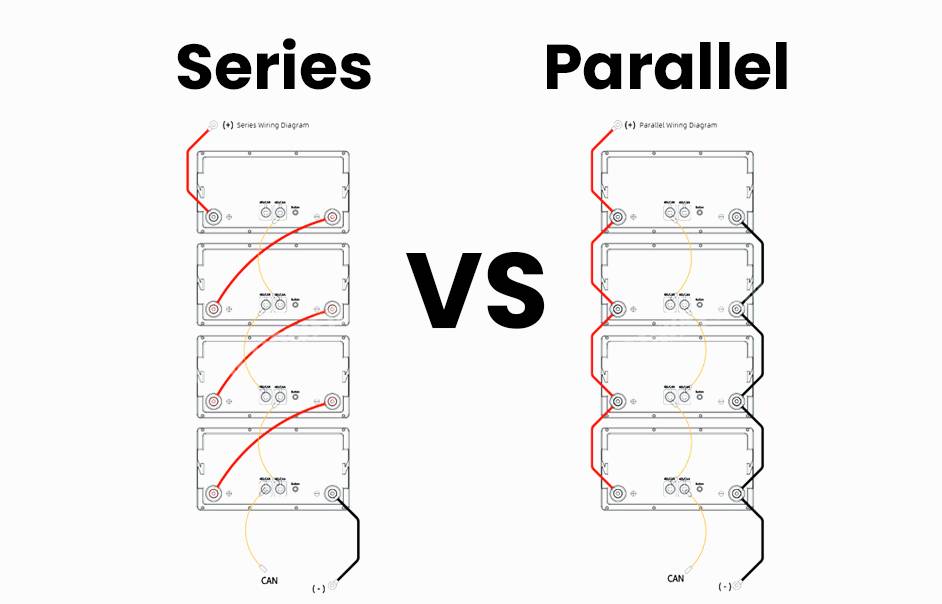
When deciding whether to connect solar panels in series or parallel, understanding their effects on voltage, current, system efficiency, and reliability is crucial. Series connections increase system voltage while keeping current constant, making them ideal for long-distance transmission and matching inverter requirements. Parallel connections increase current with constant voltage, enhancing reliability and performance in shaded or varied environments. Choosing the best setup depends on your specific installation, shading conditions, inverter type, and power needs.
What does it mean to wire solar panels in series?
Connecting solar panels in series means linking the positive terminal of one panel to the negative terminal of the next, forming a chain. This setup adds the voltages of each panel together while the amperage (current) remains the same as that of a single panel. For example, three 18V, 6A panels in series produce 54 volts at 6 amps. Series wiring is straightforward, reduces wiring complexity, and comes with lower costs.
How does wiring solar panels in parallel work?
Parallel wiring involves connecting all positive terminals together and all negative terminals together. This configuration maintains the voltage level equal to one panel but increases the total current by summing the amperage of each panel. For example, three 18V, 6A panels wired in parallel deliver 18 volts at 18 amps. Parallel wiring provides redundancy, so that shading or failure in one panel minimally affects the overall system output.
Which setup offers better voltage and current for solar systems?
Series wiring excels in increasing system voltage, which is beneficial for meeting inverter voltage requirements and reducing transmission losses over long cable runs. Parallel wiring boosts current, advantageous when higher amperage is needed, such as charging batteries or powering devices requiring steady voltage but ample current.
How does shading impact series and parallel solar panel configurations?
In series connections, shading or damage to one panel reduces the current flow through the entire string, causing a drop in the system’s total power output. In parallel connections, shaded or malfunctioning panels minimally impact overall output since other panels operate independently. This makes parallel wiring more resilient to partial shading or inconsistent sunlight exposure.
Which type of charge controller is best suited for series or parallel connections?
Series-connected panels typically require Maximum Power Point Tracking (MPPT) charge controllers that efficiently convert higher voltage to battery voltage, maximizing energy harvest. Parallel systems may use Pulse Width Modulation (PWM) controllers, though MPPT controllers still perform better. The controller choice influences system efficiency and proper function with your wiring configuration.
What are the safety and wiring complexity considerations for each?
Series systems generally have reduced wiring complexity and cost due to fewer cables needed but operate at higher voltages, requiring equipment rated accordingly. Parallel systems require heavier wiring and more complex connectors but operate at lower voltage levels, which might enhance safety and simplify some installations.
Can combining series and parallel wiring enhance solar system performance?
Yes, many residential and commercial solar installations combine series and parallel wiring to optimize both voltage and current. This hybrid configuration balances the advantages of higher voltage and increased current, matching system demand and inverter specifications effectively.
How does the choice affect overall system efficiency and cost?
Series wiring saves on wiring and equipment costs and performs efficiently in unshaded conditions with consistent panel orientation. Parallel wiring increases system reliability and performance where shading and uneven panel orientation are issues but involves more expensive wiring and components. Assessment of site conditions helps determine the most cost-effective setup.
Chart: Comparison of Solar Panel Series vs Parallel Wiring
| Aspect | Series Wiring | Parallel Wiring |
|---|---|---|
| Voltage | Increases (sum of all panels) | Constant (same as one panel) |
| Current | Constant (same as one panel) | Increases (sum of all panels) |
| Wiring Complexity | Lower | Higher |
| Performance in Shade | Poor (whole string affected) | Better (individual panels independent) |
| Suitable Applications | Long cable runs, high-voltage systems | Systems with shading or varied panel orientation |
| Charge Controller | MPPT recommended | PWM or MPPT |
| Safety | Higher voltage risks | Lower voltage, safer in some cases |
How does Redway Power relate to solar system design and battery integration?
Redway Power’s OEM lithium battery expertise complements solar installations by providing high-quality, long-lasting energy storage solutions tailored to system voltage and current needs. Their manufacturing execution system (MES) ensures precision and reliability, enabling optimized integration of solar-generated power with battery storage for enhanced system performance and safety.
Redway Power Expert Views
“Deciding between series and parallel wiring for solar panels hinges on understanding your system’s voltage, current, shading, and inverter compatibility,” explains a Redway Power expert. “Our lithium battery solutions are designed to integrate seamlessly with both configurations, offering stable, reliable energy storage. By pairing expert battery manufacturing with optimal solar wiring choices, we help customers achieve efficient, safe, and durable renewable energy systems.”
Conclusion
Neither series nor parallel wiring is universally better; both have distinct roles in solar power setups. Series connections are suited for higher voltage, lower current systems benefiting from reduced costs and efficient transmission, while parallel wiring excels in shaded or variable environments by increasing current and ensuring reliability. Many systems employ a combination of both to balance voltage, current, and system resilience. Redway Power’s advanced lithium batteries and MES-controlled manufacturing provide robust support to maximize the benefits of any solar panel wiring strategy.
FAQs
Q: Does series wiring increase voltage or current?
A: Series wiring increases total voltage while current remains that of a single panel.
Q: How does parallel wiring affect system voltage?
A: Parallel wiring keeps voltage the same as a single panel but adds current from all panels.
Q: Which wiring is better for shaded solar panels?
A: Parallel wiring is better since shaded panels don’t significantly affect others’ output.
Q: Can I mix series and parallel wiring?
A: Yes, combining both allows optimized voltage and current for complex solar systems.
Q: How does Redway Power support solar battery integration?
A: Redway Power offers OEM lithium batteries optimized for various voltages and currents, enhancing solar energy storage and system reliability.