Blog
How 72V Lithium-Ion Batteries are Revolutionizing Electric Vehicles

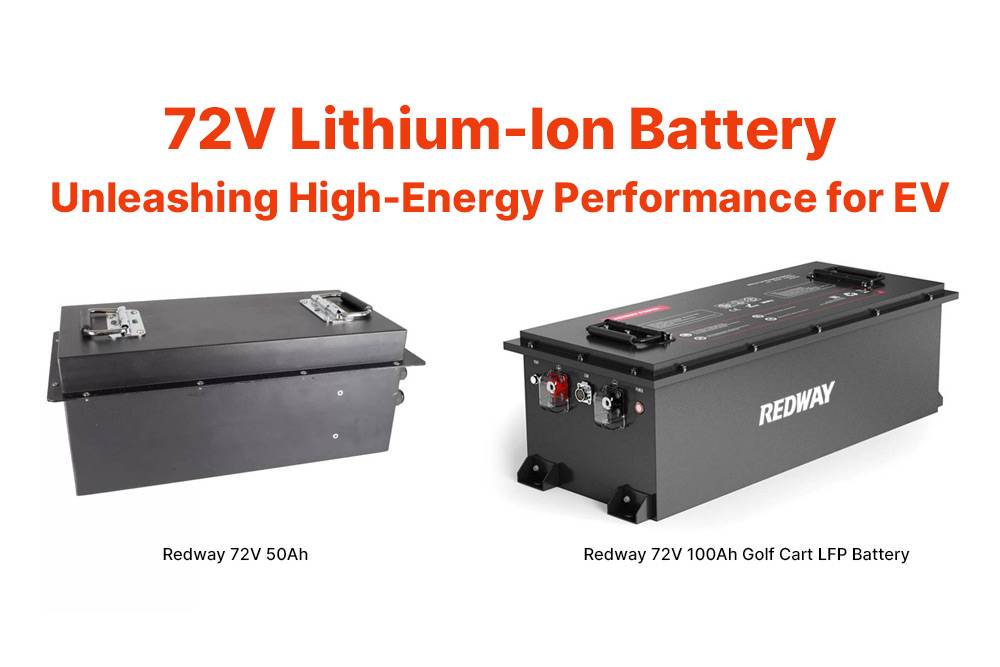
72V lithium-ion batteries are transforming the landscape of electric vehicles (EVs) by providing high-energy performance, efficiency, and reliability. These advanced batteries offer significant advantages over traditional lead-acid options, including longer lifespans and faster charging times. Understanding their features and benefits is crucial for manufacturers and consumers alike.
What is a 72V lithium-ion battery and how does it work?
A 72V lithium-ion battery is a rechargeable power source designed specifically for high-performance applications in electric vehicles. It operates by storing energy through electrochemical reactions within its cells, typically composed of lithium cobalt oxide or lithium iron phosphate (LiFePO4). The voltage rating indicates that it consists of multiple cells connected in series to achieve the desired voltage.
Chart: Basic Structure of a 72V Lithium-Ion Battery
| Component | Description |
|---|---|
| Cells | Multiple cells connected in series |
| Electrolyte | Conductive medium facilitating ion movement |
| Anode | Typically made from graphite |
| Cathode | Often made from lithium compounds |
How do 72V lithium-ion batteries enhance performance in electric vehicles?
72V lithium-ion batteries significantly boost performance in electric vehicles through:
- Higher Energy Density: They provide more energy storage per unit weight, allowing for longer ranges on a single charge.
- Faster Charging Times: These batteries can be charged quickly, reducing downtime and increasing usability.
- Consistent Power Output: They maintain stable voltage levels throughout discharge cycles, ensuring reliable performance during operation.
These enhancements lead to improved efficiency and user satisfaction in various EV applications.
Chart: Performance Enhancements of Lithium-Ion Batteries
| Performance Metric | Lithium-Ion Batteries | Traditional Lead-Acid Batteries |
|---|---|---|
| Energy Density | Higher (150-250 Wh/kg) | Lower (30-50 Wh/kg) |
| Charging Time | Fast (1-3 hours) | Slow (8-12 hours) |
| Voltage Stability | Consistent throughout discharge | Drops significantly as discharged |
What are the advantages of using lithium-ion batteries for electric vehicles?
The advantages of lithium-ion batteries include:
- Longer Lifespan: They typically last between 2000 to 5000 charge cycles, significantly outlasting lead-acid alternatives.
- Lower Weight: Their lightweight design contributes to better vehicle efficiency and handling.
- Eco-Friendly Options: Many lithium technologies are more environmentally friendly, with fewer toxic materials compared to lead-acid batteries.
These benefits make them an attractive choice for manufacturers looking to improve their EV offerings.
What safety features are included in 72V lithium-ion batteries?
Safety is paramount in battery design, especially for high-capacity systems like 72V lithium-ion batteries. Key safety features include:
- Battery Management System (BMS): Monitors temperature, voltage, and current to prevent overcharging and overheating.
- Thermal Stability: LiFePO4 chemistry offers excellent thermal stability, reducing risks associated with thermal runaway.
- Protection Circuits: Built-in fuses and circuit breakers help mitigate short circuits and other electrical faults.
These safety measures ensure reliable operation and minimize risks during use.
Chart: Safety Features of Lithium-Ion Batteries
| Safety Feature | Description |
|---|---|
| BMS | Monitors battery health and performance |
| Thermal Stability | Reduces risk of overheating |
| Protection Circuits | Prevents electrical faults |
How do the specifications of a 72V battery support electric vehicle applications?
When considering a 72V battery, several specifications are critical:
- Capacity (Ah): Determines how much energy can be stored; higher capacity allows for longer driving ranges.
- Cycle Life: Indicates how many charge-discharge cycles the battery can endure before significant capacity loss occurs.
- Discharge Rate: The maximum current output during operation affects acceleration and overall vehicle performance.
Understanding these specifications helps manufacturers choose appropriate battery solutions tailored to specific vehicle requirements.
Why should manufacturers consider using lithium-ion technology over traditional options?
Manufacturers should consider transitioning to lithium-ion technology due to:
- Cost Efficiency Over Time: Although initial costs may be higher, lower maintenance and replacement needs result in long-term savings.
- Market Demand for Sustainability: Increasing consumer preference for eco-friendly products drives demand for advanced battery technologies.
- Technological Advancements: Continuous improvements in lithium technology enhance performance characteristics, making them more competitive against traditional options.
Adopting these technologies can position manufacturers favorably within an evolving market landscape.
What is the future outlook for 72V lithium-ion batteries in the electric vehicle market?
The future for 72V lithium-ion batteries appears promising as advancements continue to improve their efficiency, safety, and affordability. With growing global emphasis on reducing carbon footprints, more manufacturers are expected to invest in these technologies. Additionally, innovations such as solid-state batteries may further enhance performance metrics, paving the way for broader adoption across various electric vehicle segments.
FAQ Section
Q1: Can I use a 72V lithium-ion battery in any electric vehicle?
A1: Not all EVs are compatible; ensure your vehicle’s system supports a 72V configuration before installation.Q2: How long does it take to charge a 72V lithium-ion battery?
A2: Charging times vary but typically range from one to three hours depending on the charger used.Q3: Are there any maintenance requirements for these batteries?
A3: Minimal maintenance is required; regular checks on connections and monitoring through a BMS are recommended.
Industrial News
Recent trends indicate that the demand for lithium-ion batteries, particularly those rated at 72 volts, is surging within the electric vehicle sector. As manufacturers strive to meet environmental regulations and consumer expectations for sustainability, innovations continue to emerge. Companies are investing heavily in research to enhance battery life, reduce costs, and improve safety features. This shift signals a robust future for high-energy performance solutions across various applications.
Redway Power Insights
“The transition towards higher voltage systems like the 72V lithium-ion battery represents a significant leap forward in energy storage technology,” states an expert from Redway Power. “As we innovate further into this space, we anticipate not only improved performance but also greater adoption across multiple sectors seeking efficient energy solutions.”