Blog
How Electrolytes Influence Battery Technology: From Lithium-Ion to Lead Acid

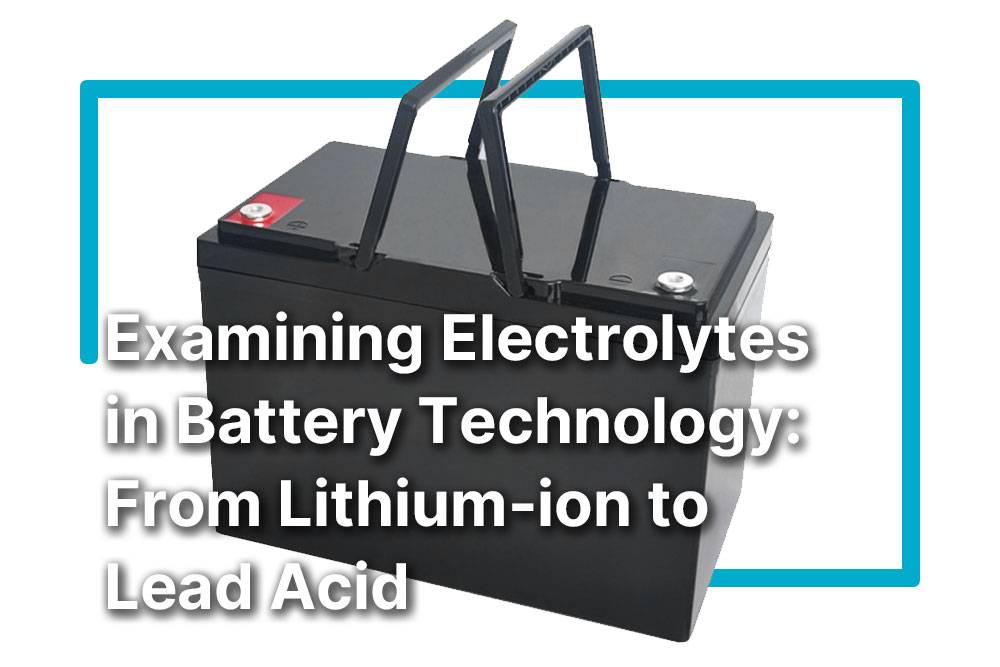
Electrolytes are essential components that enable ion flow between a battery’s electrodes, crucial for energy conversion and storage. From sulfuric acid in lead-acid batteries to lithium salt solutions in lithium-ion cells, electrolytes determine battery efficiency, safety, lifespan, and application scope. Innovations in electrolyte chemistry and form factor continue to drive battery performance across industries.
What role do electrolytes play in battery technology?
Electrolytes facilitate the movement of charged ions between the cathode and anode during charge and discharge cycles, completing the internal circuit necessary for battery operation. They act as ionic conductors while preventing electron flow inside the battery, enabling chemical reactions that store and release electrical energy.
How do electrolytes enable ion conduction in batteries?
Electrolytes contain salts or acids that dissociate into ions in liquid, gel, or solid form. These ions migrate across the separator separating electrodes, balancing electron flow externally through the circuit. Effective ionic conductivity by the electrolyte directly affects the current capability and efficiency of the battery.
What are the main types of electrolytes used in lead-acid and lithium-ion batteries?
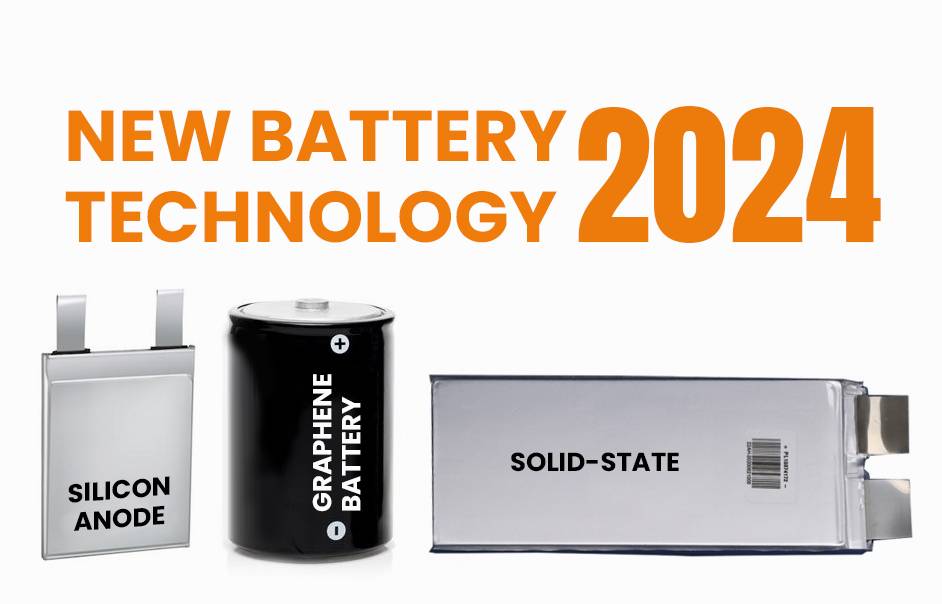
Lead-acid batteries use a liquid sulfuric acid electrolyte that facilitates the reaction between lead plates. Lithium-ion batteries typically use organic solvents with dissolved lithium salts like lithium hexafluorophosphate (LiPF6) as electrolytes. Solid-state batteries incorporate polymer or ceramic electrolytes offering improved safety and energy density.
How do electrolytes influence battery performance and safety?
Electrolyte composition determines conductivity, charge transfer kinetics, thermal stability, and chemical compatibility with electrodes. Stable electrolytes prevent unwanted side reactions and thermal runaway, ensuring safety. Electrolytes with high ionic conductivity improve power output and charge rates, enhancing performance.
What are the key differences between electrolytes in lithium-ion and lead-acid batteries?
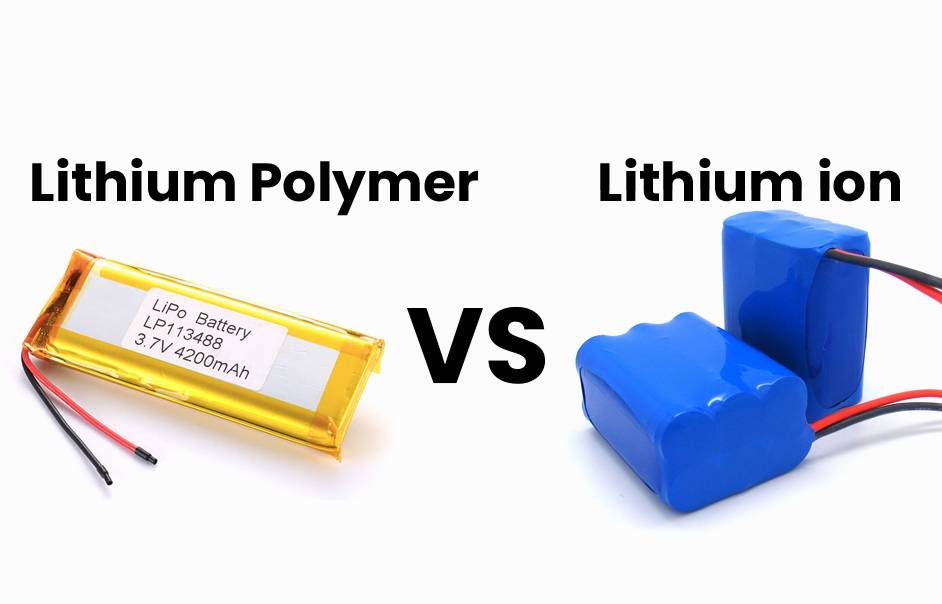
Lithium-ion electrolytes are generally organic-based liquids or solids containing lithium salts, optimized for high voltage, energy density, and cycle life. Lead-acid electrolytes are aqueous sulfuric acid solutions enabling robust but lower energy density reactions. Lithium-ion systems require stringent electrolyte purity for safety, while lead-acid systems tolerate harsher environments.
How are solid-state electrolytes revolutionizing battery design?
Solid-state electrolytes replace flammable liquids with solid polymers or ceramics, greatly enhancing safety by eliminating leakage and fire risks. They enable higher ionic conductivity and allow the use of lithium-metal anodes, potentially increasing energy densities beyond current lithium-ion limits. Challenges include manufacturing complexity and interface stability.
What challenges and limitations exist with current battery electrolytes?
Common issues include limited temperature operational range, electrolyte degradation over cycles, flammability of organic solvents in lithium-ion batteries, and corrosiveness in lead-acid electrolytes. These factors limit battery lifespan, capacity, and safety, driving research towards stable, non-flammable, and environmentally friendly electrolyte materials.
How do electrolytes affect the lifespan and capacity of batteries?
Electrolytes impact the formation of a stable solid electrolyte interface (SEI) on lithium-ion anodes crucial for longevity. Degradation of electrolytes leads to loss of ionic conductivity and increased internal resistance, reducing capacity over time. Proper electrolyte formulation extends cycle life and maintains capacity retention.
How do electrolyte advances enhance electric vehicle battery safety?
New electrolyte formulations with non-flammable solvents, additives inhibiting dendrite growth, and solid-state designs reduce risks of thermal runaway and short circuits in EV batteries. These advances improve reliability, enable fast charging, and extend battery life, accelerating EV adoption.
What environmental impacts are related to battery electrolytes?
Electrolytes can be toxic and pose disposal challenges, especially sulfuric acid in lead-acid and organic solvents in lithium-ion batteries. Sustainable electrolyte materials and recycling processes are essential to mitigate environmental harm. Research explores biodegradable and less hazardous electrolytes.
How does Redway Power innovate electrolyte applications in battery manufacturing?
Redway Power integrates advanced electrolyte formulations and strict quality controls within their ISO 9001:2015 certified manufacturing processes. Utilizing Manufacturing Execution Systems (MES), Redway optimizes electrolyte purity, consistency, and compatibility in lithium battery production, ensuring superior safety, performance, and customization for diverse OEM applications.
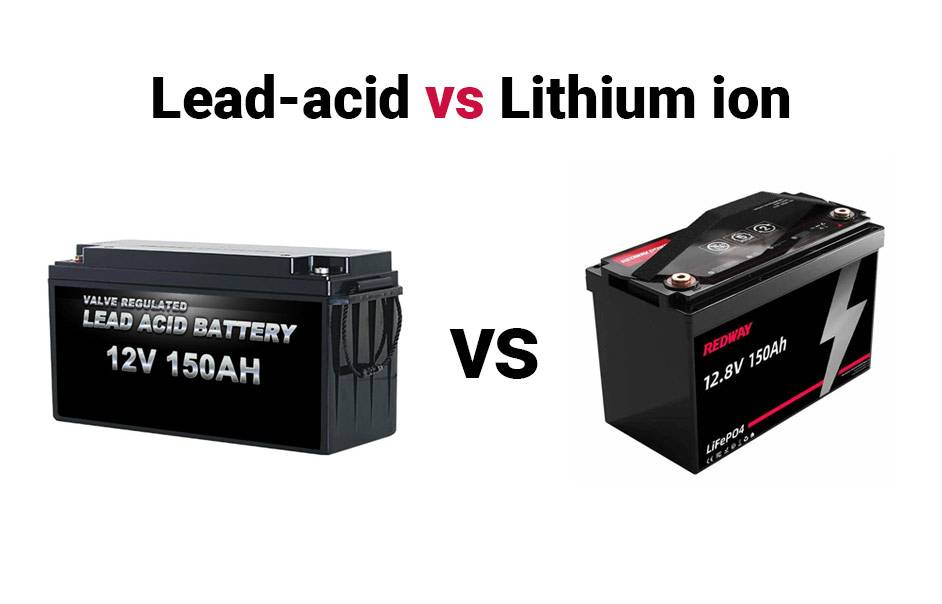
Comparison of Electrolyte Types in Lead-Acid and Lithium-Ion Batteries
| Feature | Lead-Acid Electrolyte | Lithium-Ion Electrolyte |
|---|---|---|
| Chemical Composition | Sulfuric Acid Aqueous | Lithium Salt in Organic Solvent |
| Physical State | Liquid | Liquid, Gel or Solid |
| Ionic Conductivity | Moderate | High |
| Voltage Stability | Lower | High |
| Safety Concerns | Corrosive, Spill Hazard | Flammable solvents |
| Temperature Range | Wide | Sensitive, limited range |
| Cycle Life Impact | Moderate | High |
Redway Power Expert Views
“Electrolytes are the silent enablers in battery chemistry, orchestrating the ion transfer that powers today’s critical technologies. At Redway Power, we harness years of expertise to produce batteries with cutting-edge electrolyte materials tailored to specific applications, from heavy-duty lead-acid systems to high-performance lithium-ion packs. Our MES-driven production ensures every cell combines safety, efficiency, and longevity for OEM clients worldwide.” – Redway Power Expert
Conclusion
Electrolytes fundamentally determine the performance, safety, and lifespan of batteries across chemistries, from traditional lead-acid to advanced lithium-ion systems. While lead-acid utilizes sulfuric acid electrolytes enabling robust, lower energy storage, lithium-ion relies on complex organic lithium salt solutions for high energy density and voltage. Emerging solid-state electrolytes promise transformative improvements in safety and capacity. Continuous innovation in electrolyte chemistry and manufacturing processes, exemplified by leaders like Redway Power, is crucial to meeting evolving energy demands and sustainability goals.
FAQs
What is the primary function of electrolytes in batteries?
Electrolytes enable ion movement between electrodes, facilitating the chemical reactions that store and release electrical energy in batteries.
How do lithium-ion battery electrolytes differ from lead-acid electrolytes?
Lithium-ion electrolytes are typically organic lithium salt solutions optimized for high voltage and energy density, while lead-acid electrolytes are aqueous sulfuric acid solutions designed for robustness.
Why are solid-state electrolytes important for future batteries?
Solid-state electrolytes improve safety by eliminating flammable liquids and enable higher energy densities, which is vital for next-generation battery technologies.
How does electrolyte chemistry affect battery lifespan?
Stable electrolyte chemistry forms protective interfaces and prevents degradation, directly extending battery cycle life and maintaining capacity.
How does Redway Power contribute to electrolyte advances in batteries?
Redway Power applies advanced electrolyte formulations and precision manufacturing in compliance with ISO standards, delivering safe, reliable batteries optimized for various industries.