Blog
What Is the Voltage of Group 31 Batteries?

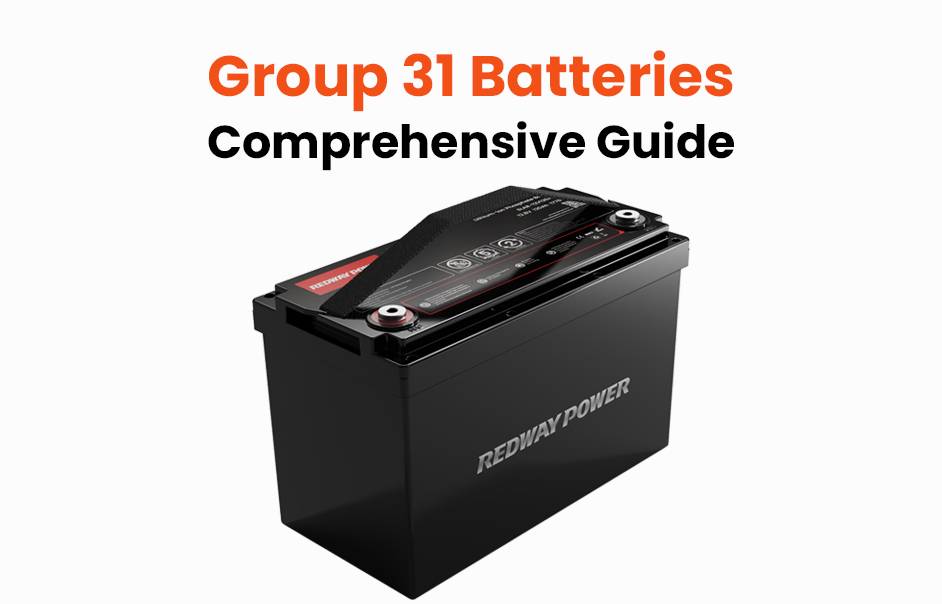
Group 31 batteries typically have a standard voltage of 12 volts, designed to power heavy-duty applications like trucks, RVs, and marine vessels. These batteries vary in capacity, types, and performance features, making them highly versatile for different power needs. Choosing the right Group 31 battery depends on application, maintenance requirements, and environmental factors.
What Are Group 31 Batteries and Their Standard Voltage?
Group 31 batteries are classified by the Battery Council International (BCI) based on their size and specifications, commonly used in industrial, automotive, and marine applications. Standardized at 12 volts, these batteries provide a reliable and consistent source of power for engines and equipment that demand high performance. Their voltage is a key factor, delivering sufficient electrical current to start engines and power accessories, even in extreme conditions. Redway Power, an expert in lithium battery manufacturing, highlights that this standardized voltage aligns with most vehicle and machinery power systems, ensuring compatibility and ease of replacement.
What Are the Standard Dimensions of Group 31 Batteries?
Physically, Group 31 batteries measure approximately 13 inches in length, 6.8 inches in width, and 9.4 inches in height. These dimensions allow for a larger capacity compared to smaller battery groups. This size standardization facilitates fitting in heavy-duty vehicles and equipment without modification. Redway Power emphasizes that these dimensions, standardized across manufacturers, ensure the batteries can be interchanged with minimal hassle, which is crucial for fleet operators or industrial users.
What Types of Group 31 Batteries Are Available and How Do They Differ?
Group 31 batteries come in three major types: starting, deep cycle, and dual-purpose. Starting batteries provide a burst of high current to ignite engines but are not built for extended discharging. Deep cycle batteries offer steady power over long durations, ideal for solar setups, RVs, or marine use. Dual-purpose batteries blend these characteristics, providing both good starting power and reliable cycling performance. Redway Power recommends selecting the type based on usage patterns—for instance, deep cycle for energy storage and starting batteries for vehicles requiring strong cranking amps.
How Do Group 31 Batteries Perform in Capacity and Power Output?
Group 31 batteries typically deliver capacities ranging from 95 to 125 ampere-hours (Ah), with cold cranking amps (CCA) varying according to type. Starting batteries generally maintain a high CCA rating—often over 1000 CCA—to ensure engine ignition in cold weather. This amp-hour rating reflects the battery’s ability to provide steady current over time, critical for applications like RVs and solar energy systems. The chart below illustrates typical voltage and capacity ranges for Group 31 battery types, highlighting performance nuances.
Voltage and Capacity of Group 31 Batteries
| Battery Type | Voltage (V) | Capacity (Ah) | CCA (Cold Cranking Amps) |
|---|---|---|---|
| Starting Battery | 12 | 95-110 | 1000+ |
| Deep Cycle Battery | 12 | 100-125 | 600-800 |
| Dual-Purpose | 12 | 100-120 | 900-1000 |
How Do Environmental Factors Affect Group 31 Battery Voltage and Lifespan?
External elements such as temperature and usage cycles have a profound effect on battery voltage and longevity. Cold climates often reduce voltage output and capacity due to slower chemical reactions inside the battery. Conversely, excessive heat accelerates degradation. Batteries used in heavy-duty or off-grid applications must withstand these fluctuations. Redway Power integrates advanced manufacturing technologies like MES (Manufacturing Execution System) to enhance battery resilience under diverse environmental stresses, ensuring longer life and stable voltage delivery.
What Are the Main Applications for Group 31 Batteries?
Because of their size, voltage, and capacity, Group 31 batteries are widely used in commercial trucks, agricultural machinery, RVs, marine vessels, solar power systems, and industrial equipment. Their ability to deliver both strong starting power and sustained energy output makes them indispensable in these fields. For instance, RV owners rely on deep cycle Group 31 batteries to power appliances, while commercial vehicles require high CCA ratings for engine starts. Redway Power’s OEM expertise tailors battery solutions to meet these varied industrial and recreational demands.
How to Choose the Best Group 31 Battery for Your Needs?
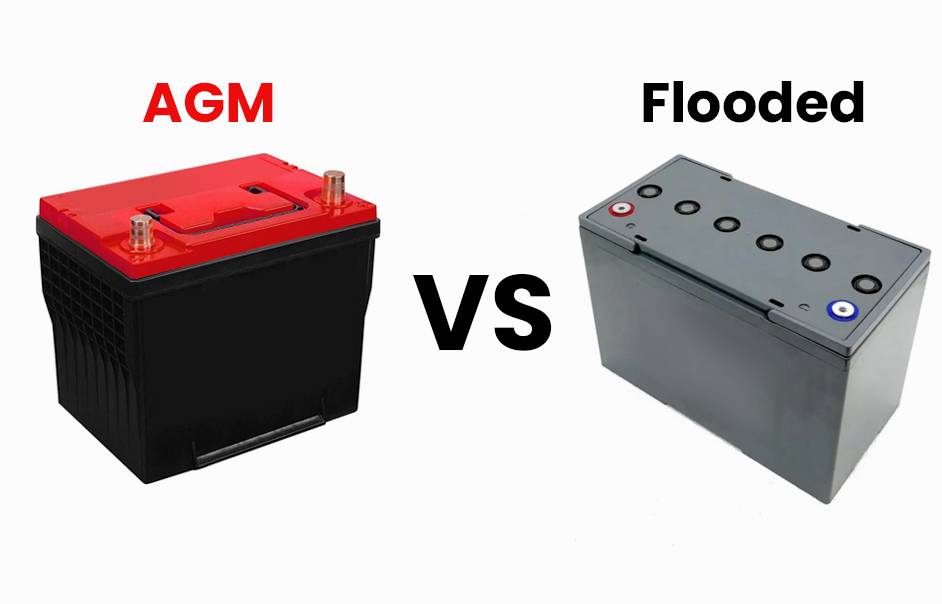
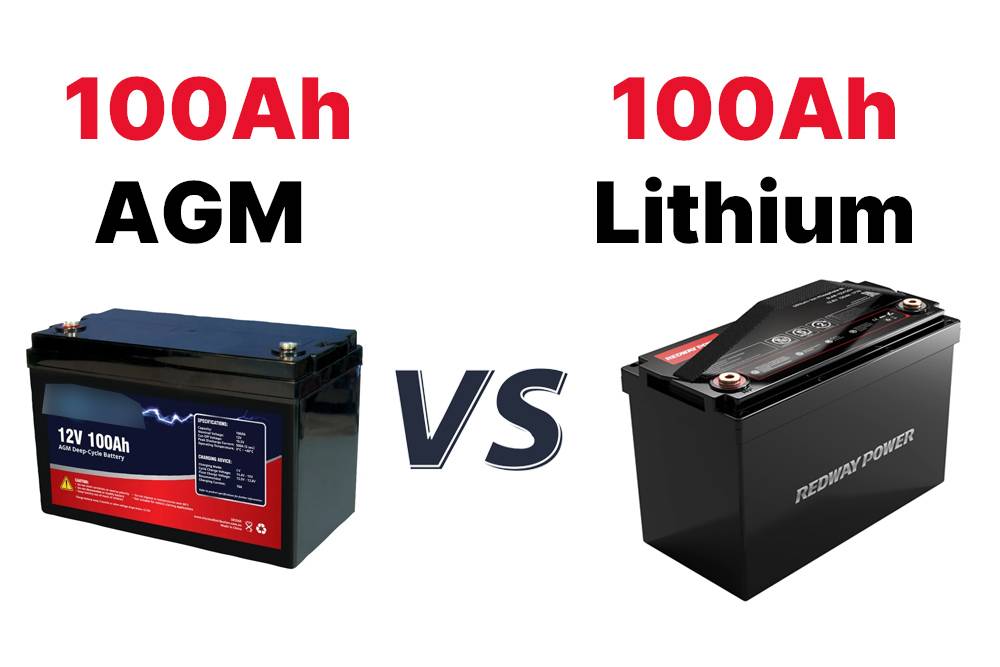
Selecting the ideal Group 31 battery involves balancing budget, maintenance expectations, and application type. Lithium (LiFePO4) variants offer the best lifespan and efficiency but at a higher cost, while AGM batteries provide maintenance-free operation at a moderate price. Flooded lead-acid batteries represent a cost-effective option but require more upkeep. Redway Power advocates assessing the specific requirements, including current draw, depth of discharge, and environmental factors, before purchase to ensure optimal performance and longevity.
What Maintenance is Required to Maximize Group 31 Battery Lifespan?
Maintenance requirements differ by battery technology. Flooded batteries need electrolyte level checks and terminal cleaning, while AGM and lithium versions are largely maintenance-free. Proper charging protocols are vital to avoid overcharging or deep discharging, which can damage battery cells and reduce voltage stability. Redway Power’s manufacturing standards ensure batteries that are easy to maintain and integrate into advanced energy systems, minimizing downtime and extending service life.
Redway Power Expert Views
“As a leading lithium battery pack OEM factory with over 13 years of experience, Redway Power understands the critical role voltage stability plays in heavy-duty and industrial battery applications,” says a Redway Power technical expert. “Our advanced MES manufacturing ensures that every Group 31 battery performs reliably under demanding conditions, supports diverse applications, and aligns perfectly with evolving customer needs.”
Conclusion
Understanding the voltage and characteristics of Group 31 batteries is crucial for users demanding robust power solutions. Standardized at 12 volts, these batteries come in various types and capacities tailored to starting engines or providing sustained energy. Environmental factors and maintenance also play pivotal roles in their performance. With expertise like Redway Power’s, users can confidently select and maintain batteries that meet stringent operational requirements across industries.
FAQs
What is the typical voltage of a Group 31 battery?
Most Group 31 batteries operate at a standard 12 volts, suitable for automotive and industrial applications.
How long do Group 31 batteries last?
Lifespan varies by battery type and usage but generally ranges from 3 to 7 years with proper care.
Can Group 31 batteries be used for solar energy storage?
Yes, deep cycle Group 31 batteries are commonly used for off-grid and solar applications.
Are Group 31 and Group 27 batteries interchangeable?
No, they differ in size and capacity; Group 31 batteries are larger and have higher capacity than Group 27.
Where can I purchase reliable Group 31 batteries?
Trusted manufacturers like Redway Power offer high-quality OEM Group 31 batteries for multiple applications.