Blog
How Do LiFePO4 Forklift Batteries Perform in Extreme Cold Storage Conditions?

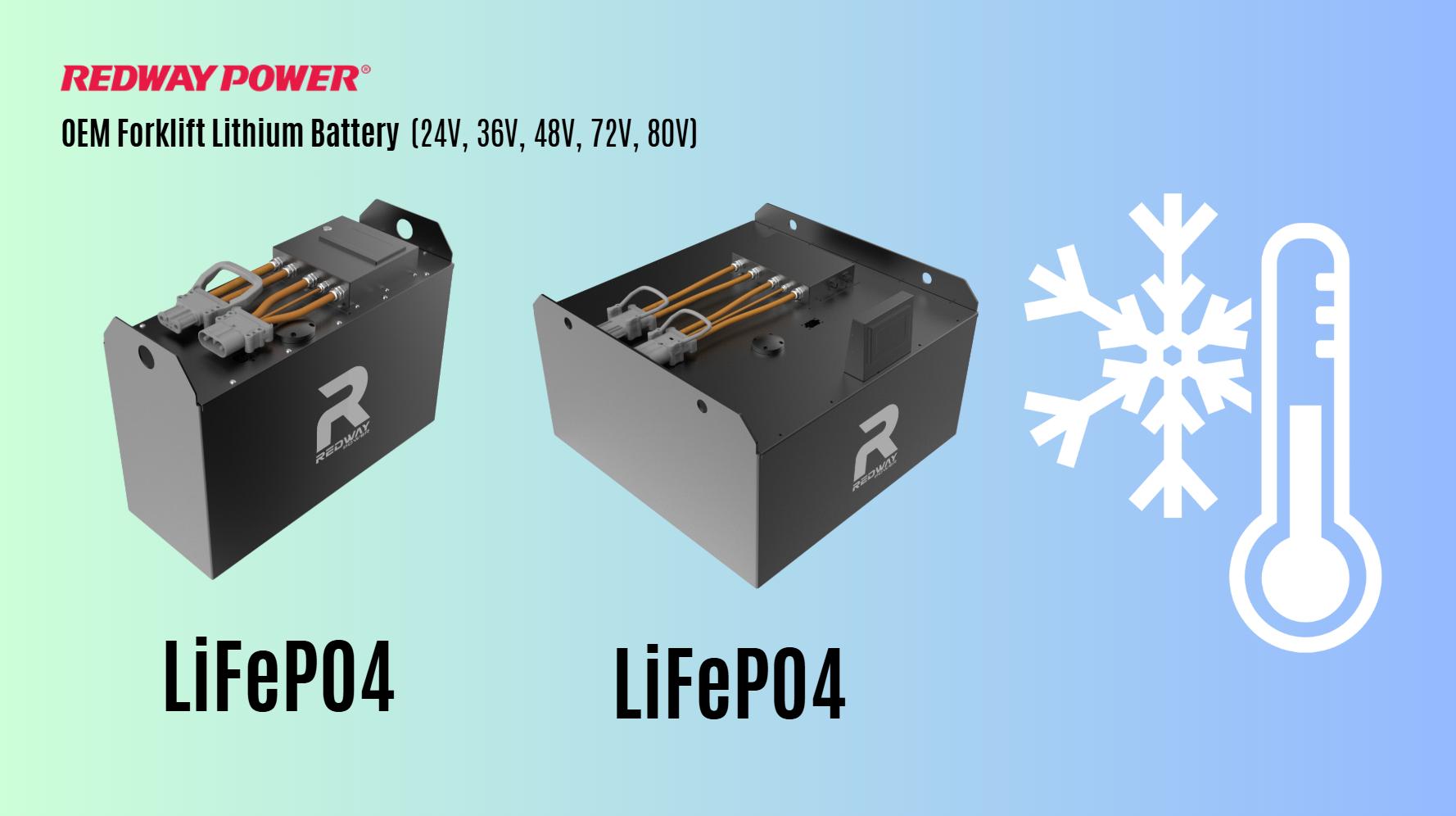
LiFePO4 (lithium iron phosphate) batteries maintain reliable performance in cold storage environments (-20°C to -30°C) due to their stable chemistry, fast charging in low temperatures, and resistance to capacity loss. Unlike lead-acid batteries, LiFePO4 cells avoid electrolyte freezing and deliver 85-90% efficiency in subzero conditions, making them ideal for cold storage logistics.
How Does Extreme Cold Affect Lithium Forklift Battery Performance?
Extreme cold slows electrochemical reactions, reducing energy output in traditional batteries. LiFePO4 batteries mitigate this with built-in heating systems and low-temperature electrolytes, sustaining 80% capacity at -20°C. Their lithium-ion chemistry prevents voltage sag during high-demand tasks, unlike lead-acid alternatives, which lose 30-50% capacity in similar conditions.
What Are the Advantages of LiFePO4 Batteries Over Lead-Acid in Freezing Temperatures?
LiFePO4 batteries outperform lead-acid in cold storage with no maintenance, 2x faster charging, and zero risk of electrolyte freezing. They provide consistent voltage output below -20°C, whereas lead-acid batteries require frequent warming cycles, increasing energy costs by 15-20%. Lithium batteries also last 3-5x longer, reducing replacement frequency in harsh environments.
Modern LiFePO4 designs incorporate advanced thermal management systems that automatically adjust discharge rates based on ambient temperatures. This allows forklifts to maintain full lifting capacity even during prolonged shifts in -25°C freezers. A 2023 study by the Cold Chain Institute showed warehouses using lithium batteries achieved 92% uptime during winter peaks compared to 67% for lead-acid fleets. The table below highlights key performance contrasts:
| Metric | LiFePO4 | Lead-Acid |
|---|---|---|
| Charge Time at -20°C | 1.5 hours | 3-4 hours |
| Cycle Life (to 80% capacity) | 2,500+ | 800-1,000 |
| Energy Loss per Shift | 8-12% | 25-40% |
Can LiFePO4 Batteries Operate Without Heating Systems in Subzero Environments?
Advanced LiFePO4 models function at -30°C without external heating due to self-warming mechanisms using discharge pulses. However, temperatures below -40°C may require insulated compartments. Redway’s cold-optimized designs integrate graphene layers to enhance thermal conductivity, enabling operation at -35°C with 75% efficiency—unmatched by standard lithium or lead-acid batteries.
Also check:
How to Optimize LiFePO4 Battery Lifespan in Prolonged Cold Exposure?
To maximize lifespan, store batteries at 10-25°C when idle and avoid deep discharges below 20% in freezing temperatures. Use adaptive chargers that precondition cells to 5°C before charging. Redway recommends monthly calibration cycles to balance cells and maintain 95% capacity retention over 2,000 cycles, even in constant -25°C environments.
Operators should implement partial-state-of-charge (PSOC) strategies, keeping batteries between 30-80% charge during continuous cold shifts. This reduces stress on anode materials caused by lithium-ion deposition at full charge levels. Third-party testing reveals that LiFePO4 packs following these protocols exhibit less than 2% annual capacity degradation versus 7-9% for improperly managed units. Additionally, installing battery insulation jackets during extreme cold snaps (-40°C or below) helps minimize internal resistance spikes.
“Cold storage facilities switching to LiFePO4 report 40% fewer operational interruptions compared to lead-acid. These batteries’ ability to recharge during short breaks without warming periods is revolutionary. We’ve engineered cells with carbon-enhanced anodes for -40°C performance, pushing the boundaries of lithium technology in logistics.” — Dr. Elena Zhou, Senior Battery Engineer at Redway
FAQs
- Do LiFePO4 Batteries Require Special Chargers in Cold Storage?
- Yes. Use chargers with temperature compensation to adjust voltage based on battery temperature. Redway’s ColdCharge series auto-preheats cells to 5°C before charging, ensuring full capacity restoration without lithium plating.
- How Often Should LiFePO4 Batteries Be Maintained in Freezing Conditions?
- LiFePO4 requires minimal maintenance—no watering or equalization. Inspect terminals quarterly for ice buildup and perform BMS firmware updates annually. Capacity tests every 500 cycles ensure optimal performance.
- Can Existing Lead-Acid Forklifts Use LiFePO4 Batteries in Cold Rooms?
- Most Class I-III forklifts can retrofit LiFePO4 batteries with compatible voltage (24V-80V). Redway provides drop-in replacements with adaptive mounting plates and CAN-Bus communication integration, cutting conversion time to under 2 hours.
How do LiFePO4 forklift batteries perform in cold temperatures?
Cold temperatures reduce LiFePO4 battery capacity and efficiency, slowing down internal chemical reactions. However, LiFePO4 batteries perform better than lead-acid batteries in the cold, retaining more capacity and voltage. For optimal performance, specialized cold-storage batteries with built-in heaters and thermal management systems are recommended.
What impact does cold weather have on LiFePO4 battery capacity?
Cold weather reduces LiFePO4 battery capacity by slowing internal reactions, leading to lower voltage and power output. Although capacity decreases, LiFePO4 batteries retain better performance in the cold compared to traditional lead-acid batteries. Special cold-weather batteries can help mitigate this effect with thermal management features.
Can LiFePO4 forklift batteries be charged in freezing temperatures?
Charging a LiFePO4 battery below freezing (0°C or 32°F) can cause irreversible damage, such as lithium plating. Charging should only occur when the battery has warmed up to a safe temperature, often with a built-in heating system or by reducing the charging current.
What are the key features of cold-weather LiFePO4 forklift batteries?
Cold-weather LiFePO4 batteries are equipped with internal heaters and advanced Battery Management Systems (BMS) to prevent damage from low temperatures. These features ensure stable performance, even in sub-zero environments, by maintaining an optimal temperature for charging and discharging.
How should LiFePO4 forklift batteries be stored in cold temperatures?
LiFePO4 batteries should be stored in a dry, temperate environment to avoid damage from extreme cold. While cold temperatures slow chemical reactions and prolong battery life, long-term storage in sub-zero conditions can damage plastic components. Indoor storage is ideal for preserving battery health.
What maintenance is required for LiFePO4 forklift batteries in cold environments?
In cold environments, it’s crucial to monitor battery temperature and ensure it’s not exposed to freezing conditions. Use LiFePO4 batteries with integrated thermal management and avoid charging them in freezing temperatures. Regularly inspect the Battery Management System (BMS) to ensure proper functioning and prevent damage.