Blog
What Are the Key Specifications of LiFePO4 Golf Cart Batteries

LiFePO4 (lithium iron phosphate) golf cart batteries provide 12V-48V options, capacities ranging from 50Ah to 200Ah, and lifespans of 2,000-5,000 cycles. They outperform lead-acid batteries with faster charging, higher energy density, and minimal maintenance. Their stable chemistry ensures safety and longevity, making them ideal for golf carts needing reliable power and extended runtime.
How Does Voltage Impact Golf Cart Performance?
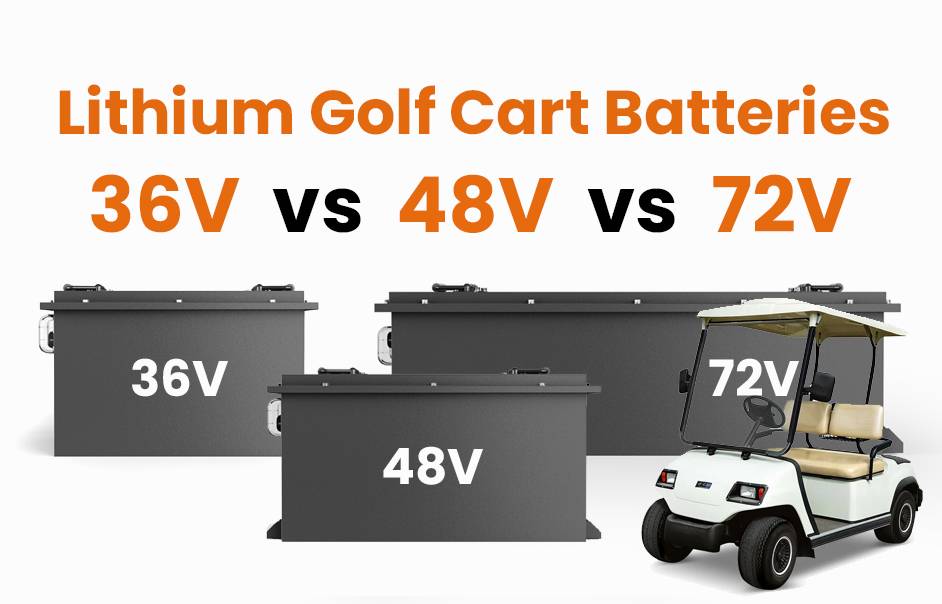
Voltage determines speed, torque, and runtime. Most golf carts use 36V or 48V LiFePO4 systems. Higher voltage (48V) enhances hill-climbing ability and acceleration, while lower voltage (36V) suits flat terrains. Matching voltage to motor specifications ensures optimal efficiency. Undervoltage triggers safety cutoffs, while overvoltage risks component damage. Always verify manufacturer guidelines for compatibility.
For golf carts operating on hilly courses, 48V systems provide 15-20% more torque compared to 36V configurations. This allows smoother ascents without straining the motor. On flat terrains, 36V batteries offer sufficient power while conserving energy. Voltage also impacts charging infrastructure – 48V systems may require specialized chargers, whereas 36V units often work with standard equipment. Seasonal temperature fluctuations can cause minor voltage drops (3-5% in sub-10°C conditions), but LiFePO4’s stable discharge curve minimizes performance variations.
| Voltage | Terrain Type | Average Range |
|---|---|---|
| 36V | Flat courses | 18-22 miles |
| 48V | Hilly courses | 25-30 miles |
What Safety Features Protect LiFePO4 Golf Cart Batteries?
Integrated BMS monitors voltage, current, and temperature. Features include short-circuit protection, overcharge/over-discharge cutoffs, and cell balancing. Flame-retardant casings and stable chemistry prevent thermal runaway. UL/IEC certifications ensure compliance with safety standards. Regular firmware updates in smart batteries address emerging risks.
Advanced BMS systems track individual cell performance, redistributing energy to prevent weak links. For example, if one cell reaches 3.65V during charging, the BMS reroutes excess current to undercharged cells. This balancing extends pack longevity by 30-40%. In crash scenarios, shear-resistant terminals and impact-absorbing casings maintain structural integrity. Some models feature emergency disconnect switches that activate during sudden impacts or water immersion. These multilayered protections explain why LiFePO4 batteries have 60% fewer safety incidents than other lithium variants in golf cart applications.
FAQs
- How Long Does a LiFePO4 Golf Cart Battery Last Per Charge?
- A 100Ah battery lasts 25-30 miles. Runtime depends on terrain, load, and speed. Higher capacities (150Ah+) extend this to 40+ miles.
- Are LiFePO4 Batteries Worth the Higher Initial Cost?
- Yes. Despite 2-3x higher upfront cost vs. lead-acid, LiFePO4 saves 50-70% over 10 years via fewer replacements, no maintenance, and lower energy waste.
- Can I Replace My Lead-Acid Batteries with LiFePO4?
- Yes, if voltage matches. LiFePO4’s lighter weight may require securing brackets. Upgrade chargers to lithium-compatible models to avoid damage.
“LiFePO4’s edge lies in its cycle life and thermal stability,” says Dr. Elena Torres, a battery systems engineer. “Golf courses benefit from reduced downtime and energy costs. However, users must avoid counterfeit BMS units—subpar protection circuits undermine reliability. Partner with suppliers offering IP67-rated, thermally managed packs for humid or dusty environments.”
Know more:
What Are LiFePO4 Golf Cart Batteries? A Complete Overview
Why Are LiFePO4 Batteries Better Than Traditional Golf Cart Batteries?
How Do LiFePO4 Golf Cart Batteries Work? Technology and Principles Explained
What Are the Key Specifications of LiFePO4 Golf Cart Batteries?
How Have Golf Cart Batteries Evolved from Lead-Acid to LiFePO4?
What Makes LiFePO4 Golf Cart Batteries Safer and More Reliable?