Blog
How Do LiFePO4 Golf Cart Batteries Work? Technology and Principles Explained

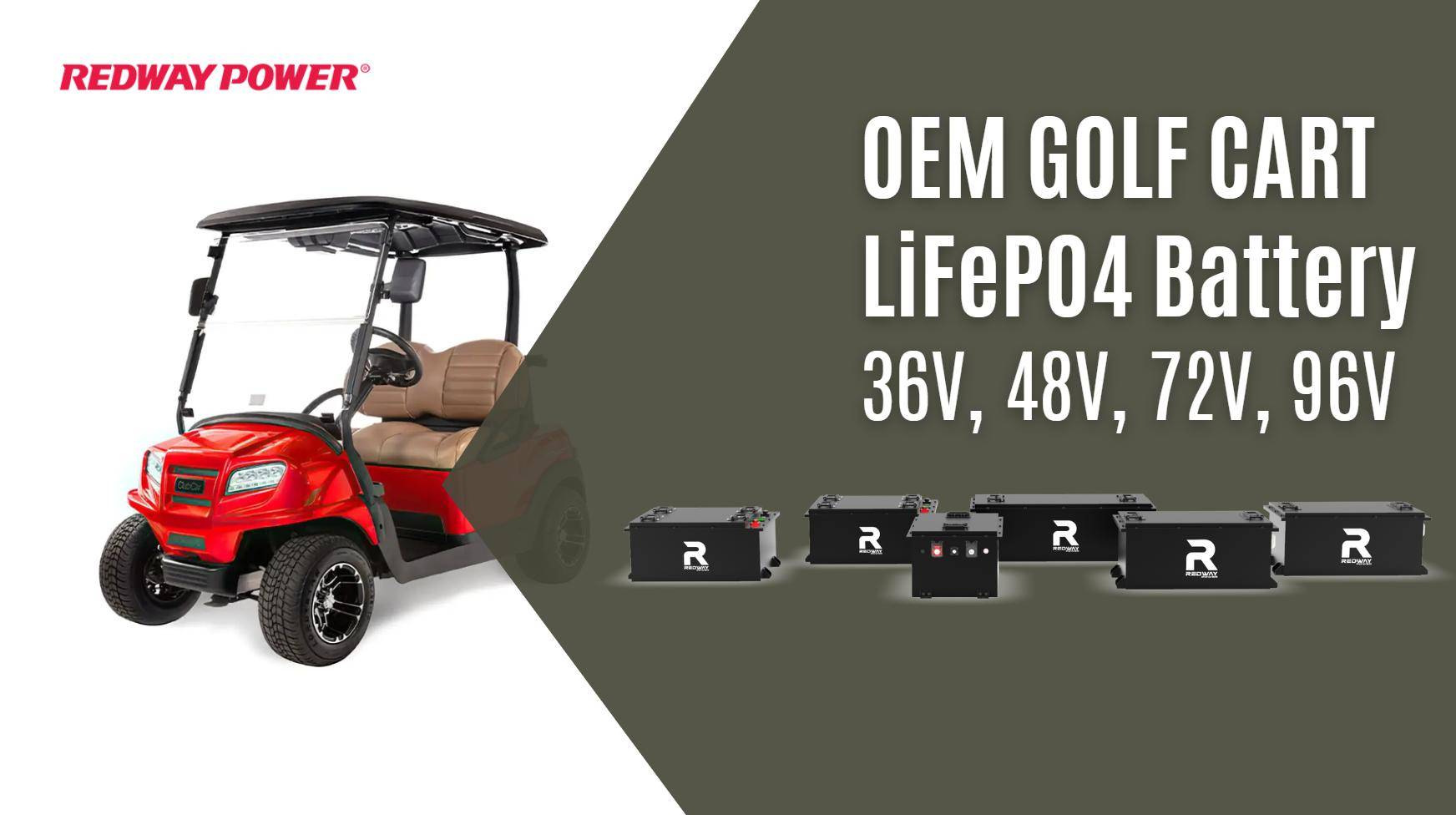
LiFePO4 (Lithium Iron Phosphate) golf cart batteries use stable lithium-ion chemistry to deliver high energy density, longer cycle life, and rapid charging. Their cathode material (LiFePO4) ensures thermal stability and safety, while built-in Battery Management Systems (BMS) optimize performance. Unlike lead-acid batteries, they maintain consistent voltage output, reduce maintenance, and operate efficiently in diverse temperatures.
What Makes LiFePO4 Batteries Ideal for Golf Carts?
LiFePO4 batteries offer 3-5x longer lifespan (2,000+ cycles) than lead-acid, 50% weight reduction, and 95% usable capacity. They charge 4x faster, require zero maintenance, and resist voltage sag during acceleration. Their non-toxic chemistry and sealed design eliminate acid leaks, making them eco-friendly and suitable for frequent stop-start golf cart use.
How Do LiFePO4 Batteries Compare to Traditional Lead-Acid Options?
LiFePO4 outperforms lead-acid in energy density (90-120 Wh/kg vs 30-50 Wh/kg), depth of discharge (80-100% vs 50%), and efficiency (98% vs 70-85%). While upfront costs are higher, LiFePO4 saves 30-50% in long-term costs due to longevity. Lead-acid batteries degrade faster in cold weather and require regular watering, which LiFePO4 eliminates.
| Feature | LiFePO4 | Lead-Acid |
|---|---|---|
| Cycle Life | 2,000+ cycles | 300-500 cycles |
| Charge Time | 2-4 hours | 8-10 hours |
| Weight (48V System) | 60-80 lbs | 150-200 lbs |
What Role Does the Battery Management System (BMS) Play?
The BMS monitors voltage, temperature, and current in real-time. It prevents overcharging (above 3.65V/cell), deep discharges (below 2.5V/cell), and short circuits. Active cell balancing ensures uniform charge distribution, while temperature sensors shut down the system if overheating occurs. This extends battery life by 20-30% compared to unprotected lithium packs.
Advanced BMS units communicate directly with golf cart controllers to optimize energy delivery during hill climbs or sudden acceleration. Some systems feature Bluetooth connectivity for real-time diagnostics via smartphone apps, allowing users to track state-of-charge, cell voltages, and temperature trends. This proactive monitoring prevents catastrophic failures – for example, if one cell begins underperforming, the BMS can redistribute loads to adjacent cells while alerting the user for maintenance.
How Does Temperature Affect LiFePO4 Golf Cart Battery Performance?
LiFePO4 operates optimally between -20°C to 60°C (-4°F to 140°F), with capacity retention above 85% at -10°C. Lead-acid efficiency drops 50% below 0°C. Built-in heating/cooling systems in premium LiFePO4 packs mitigate extreme temperature impacts. However, prolonged exposure above 45°C may accelerate aging by 15-20%.
In sub-freezing conditions, lithium batteries require special charging protocols. Below 0°C, charging currents must be reduced to prevent lithium plating on anodes. Premium BMS solutions automatically adjust charge rates based on internal temperature sensors. For desert environments, batteries with aluminum heat-dissipation plates maintain optimal performance – tests show these designs keep cells 8-12°C cooler during fast charging compared to standard enclosures.
“LiFePO4 is revolutionizing golf cart energy systems. Their 10-year lifespan and 30-minute fast-charging capabilities are game-changers. We’re seeing courses cut energy costs by 40% by eliminating nightly lead-acid charging. The next leap will be solar-integrated LiFePO4 systems for fully off-grid operation.” – John Mercer, EV Battery Engineer
FAQs
- How Often Should I Charge My LiFePO4 Golf Cart Battery?
- Charge after each use, even if partially drained. Partial charges don’t harm LiFePO4, unlike lead-acid. Avoid storing below 50% SOC.
- Are LiFePO4 Batteries Safe in Rainy Conditions?
- Yes. Their IP65-rated enclosures protect against water ingress. Unlike lead-acid, there’s no risk of acid spills when tilted.
- Do LiFePO4 Batteries Require Special Chargers?
- Use chargers with LiFePO4 voltage profiles (14.4-14.6V for 12V batteries). Many modern chargers auto-detect chemistry.
Know more:
What Are LiFePO4 Golf Cart Batteries? A Complete Overview
Why Are LiFePO4 Batteries Better Than Traditional Golf Cart Batteries?
How Do LiFePO4 Golf Cart Batteries Work? Technology and Principles Explained
What Are the Key Specifications of LiFePO4 Golf Cart Batteries?
How Have Golf Cart Batteries Evolved from Lead-Acid to LiFePO4?
What Makes LiFePO4 Golf Cart Batteries Safer and More Reliable?