Blog
Why Choose LiFePO4 Batteries for Your Personal Golf Cart

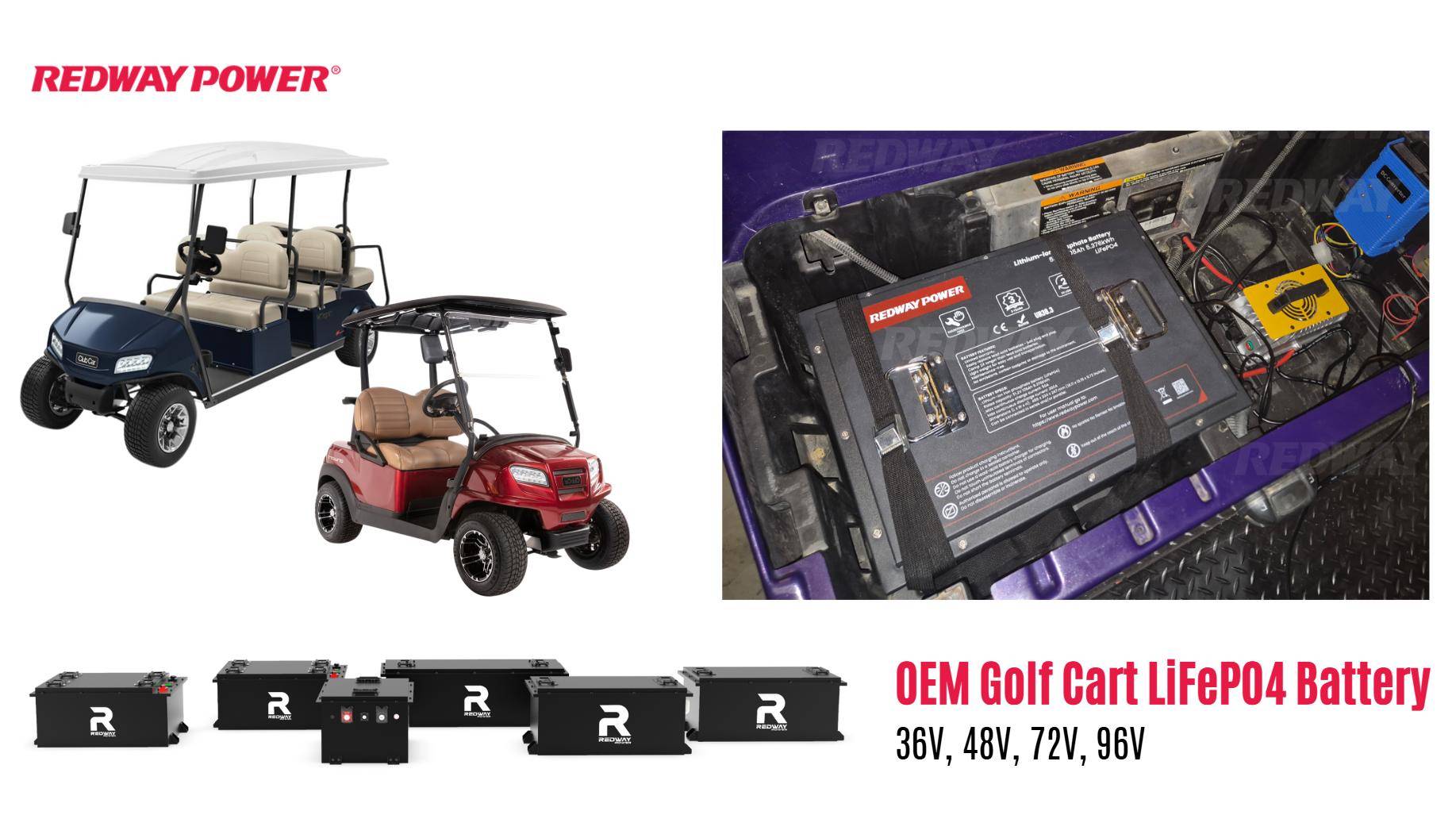
LiFePO4 (lithium iron phosphate) batteries enhance golf cart performance with longer lifespan, faster charging, and lighter weight compared to lead-acid batteries. They withstand frequent deep discharges, reduce maintenance, and operate efficiently in extreme temperatures. Ideal for golfers prioritizing reliability and sustainability, these batteries optimize energy density and reduce long-term costs.
What Are LiFePO4 Batteries and How Do They Work?
LiFePO4 batteries use lithium iron phosphate chemistry, offering stable thermal performance and high energy density. They operate through lithium-ion movement between cathode (LiFePO4) and anode (graphite), generating electricity. Unlike traditional batteries, they minimize degradation during charging cycles, ensuring 2,000–5,000 cycles at 80% capacity retention. Their built-in Battery Management Systems (BMS) prevent overcharging, overheating, and voltage drops.
How Do LiFePO4 Batteries Improve Golf Cart Performance?
- Extended Range: 20–30% more mileage per charge than lead-acid.
- Faster Charging: 1–3 hours for full charge vs. 8–10 hours for lead-acid.
- Weight Reduction: 50–70% lighter, improving speed and handling.
- Consistent Power: Stable voltage output prevents slowdowns on hills.
| Feature | LiFePO4 | Lead-Acid |
|---|---|---|
| Charging Time | 1–3 hours | 8–10 hours |
| Weight | 15–25 kg | 30–60 kg |
| Cycle Life | 2,000–5,000 | 300–500 |
The lightweight design of LiFePO4 batteries not only improves acceleration but also reduces strain on the cart’s motor and suspension. Golfers navigating hilly terrain benefit from the stable voltage output, which maintains consistent speed even under heavy load. Additionally, the reduced charging time allows for multiple rounds per day without performance drops, making these batteries ideal for tournament play or busy golf courses.
What Makes LiFePO4 Batteries Safer Than Other Lithium Options?
LiFePO4’s phosphate-based chemistry resists thermal runaway, reducing fire risks. Tests show they withstand temperatures up to 60°C (140°F) without combustion. Their robust BMS monitors cell balance, temperature, and current flow, while durable casing protects against vibrations and impacts common on golf courses.
How Do LiFePO4 Batteries Handle Extreme Temperatures?
LiFePO4 batteries operate efficiently in -20°C to 60°C (-4°F to 140°F) ranges. Unlike lead-acid, which loses 30–40% capacity in cold weather, LiFePO4 retains over 85% capacity. Integrated heating/cooling systems in premium models further optimize performance in harsh climates.
What Is the Lifespan of LiFePO4 Golf Cart Batteries?
LiFePO4 batteries last 8–12 years, delivering 2,000–5,000 cycles at 80% depth of discharge (DoD). Lead-acid batteries degrade after 300–500 cycles. Factors like proper charging habits and ambient temperature affect longevity. Warranty periods typically range from 3–8 years.
Are LiFePO4 Batteries Compatible With All Golf Cart Models?
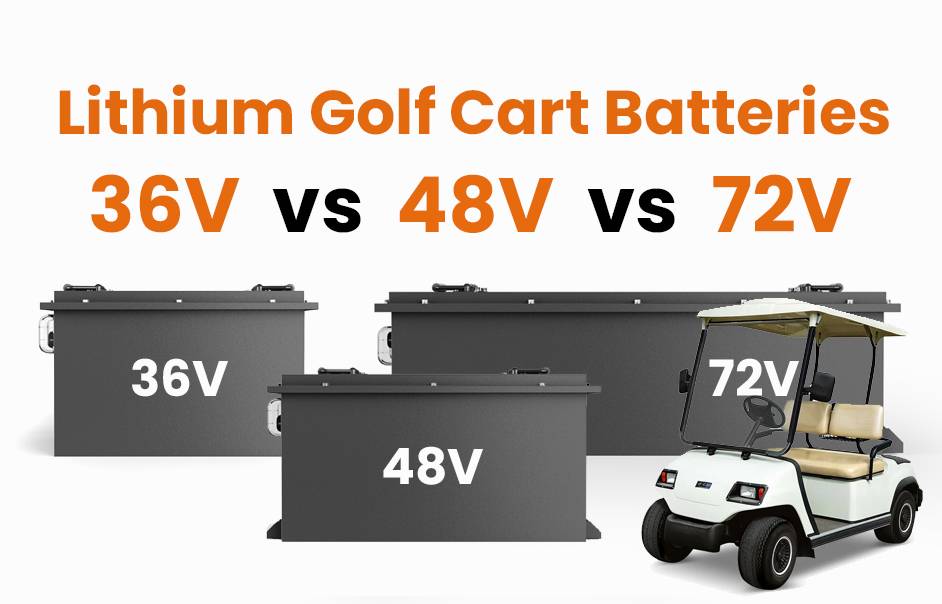
Most LiFePO4 batteries fit standard 36V, 48V, or 72V golf carts. Adapters ensure compatibility with Club Car, EZ-GO, and Yamaha models. Verify voltage, dimensions, and terminal alignment before purchase. Some carts may require firmware updates to support lithium batteries.
How Do LiFePO4 Batteries Reduce Environmental Impact?
- Non-Toxic Materials: Free from lead, cadmium, and cobalt.
- Recyclability: 95% of components are recyclable.
- Energy Efficiency: 98% charge efficiency vs. 70–85% for lead-acid.
- Lower Carbon Footprint: Longer lifespan reduces manufacturing waste.
What Maintenance Do LiFePO4 Golf Cart Batteries Require?
LiFePO4 batteries require minimal maintenance: periodic terminal cleaning, firmware updates, and storage at 50–60% charge if unused. No water refilling or equalization charging is needed. The BMS automates cell balancing and health monitoring.
For optimal performance, clean battery terminals quarterly using a mixture of baking soda and water to prevent corrosion. Firmware updates, typically provided by manufacturers every 12–18 months, enhance BMS algorithms for better temperature management and charging precision. When storing carts during winter, avoid fully discharging the battery—maintaining a partial charge preserves cell integrity and readiness for spring use.
“LiFePO4 technology is revolutionizing golf cart energy systems. Its durability and efficiency align perfectly with the needs of frequent golfers. Unlike older lithium-ion variants, LiFePO4’s inherent stability eliminates risks of thermal runaway, making it the safest choice for prolonged outdoor use.” — John Carter, Renewable Energy Systems Analyst
FAQs
- Can LiFePO4 Batteries Be Used in Older Golf Carts?
- Yes, with voltage-compatible models and adapter kits. Consult the manufacturer for wiring modifications.
- Do LiFePO4 Batteries Require Special Chargers?
- Yes. Use lithium-specific chargers with voltage matching the battery’s requirements to prevent damage.
- How Should LiFePO4 Batteries Be Stored During Off-Season?
- Store at 50–60% charge in a dry, temperature-controlled environment. Recharge every 3–6 months.
- Are LiFePO4 Batteries Worth the Higher Initial Cost?
- Yes. Lower replacement frequency, zero maintenance costs, and energy savings offset the upfront investment within 2–3 years.
- Can You Upgrade a Lead-Acid Golf Cart to LiFePO4?
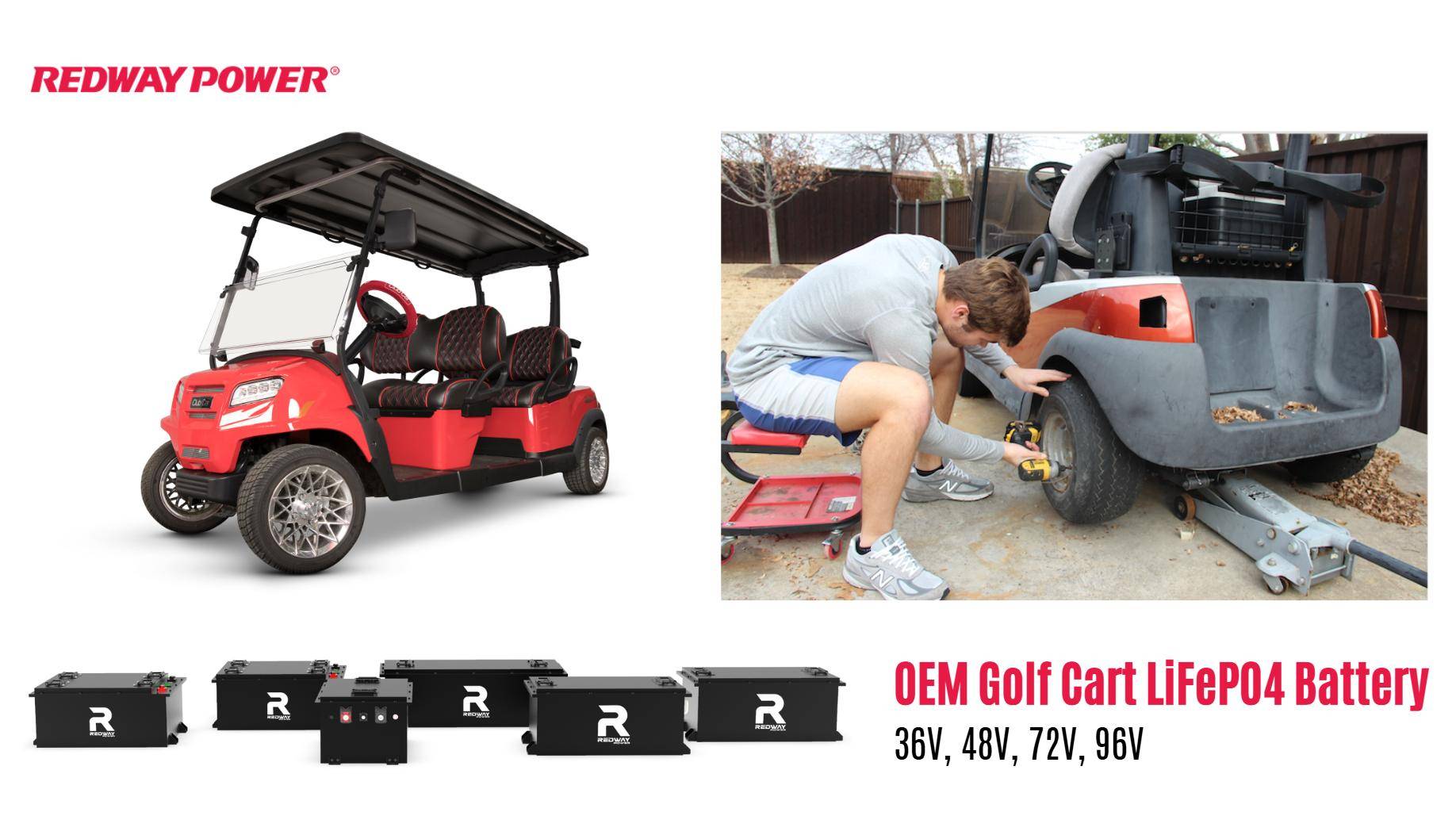
- Yes. Most carts only require battery tray adjustments and a compatible charger. Retrofitting kits simplify installation.
Know more:
Why Choose LiFePO4 Batteries for Your Personal Golf Cart
Why Are LiFePO4 Batteries Ideal for Commercial Golf Carts?
How Do LiFePO4 Golf Cart Batteries Perform in Extreme Temperatures?
Why Choose LiFePO4 Batteries for Custom Golf Carts?
Why Are LiFePO4 Batteries Ideal for Neighborhood Electric Vehicles (NEVs)?
LiFePO4 Golf Cart Batteries: Benefits, Cost Savings, and Environmental Impact