Blog
LiFePO4 Golf Cart Batteries: Benefits, Cost Savings, and Environmental Impact

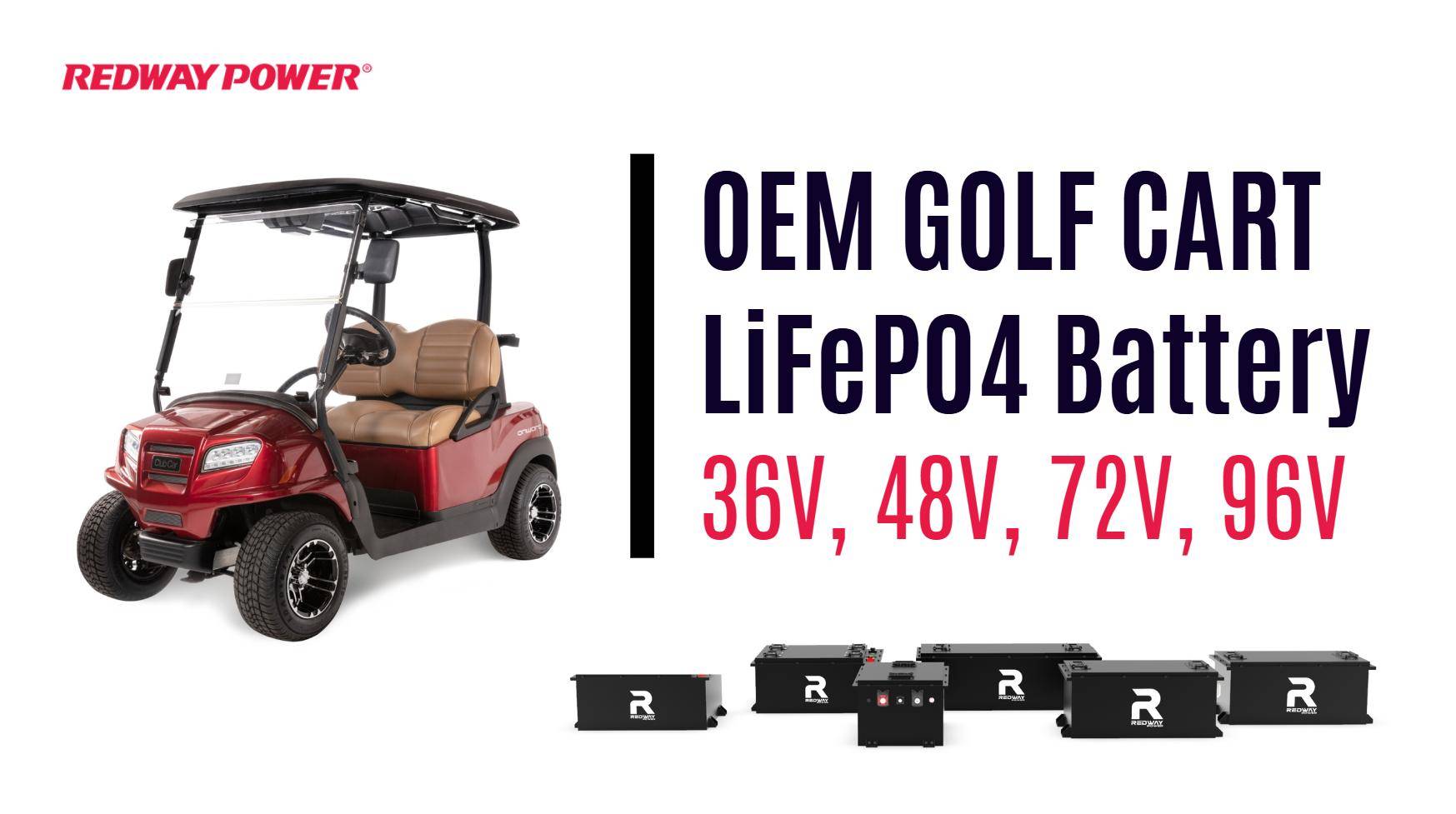
LiFePO4 (lithium iron phosphate) batteries outperform traditional lead-acid batteries in golf carts due to their longer lifespan (2,000+ cycles), faster charging (3-4 hours), lightweight design, and consistent power delivery. They reduce maintenance costs by 50% and operate efficiently in extreme temperatures, making them ideal for golf courses, resorts, and personal use.
How Do LiFePO4 Batteries Enhance Golf Cart Performance?
LiFePO4 batteries provide stable voltage output, preventing power drops during uphill climbs or long rounds. Their high energy density (90-120 Wh/kg) ensures extended range, while rapid charging minimizes downtime. Case studies show golf courses achieving 30% energy cost savings and 40% fewer battery replacements compared to lead-acid alternatives.
The advanced thermal management of LiFePO4 chemistry allows consistent torque delivery even under heavy loads. Golf carts equipped with these batteries maintain optimal speed on 15% inclines, whereas lead-acid systems experience 20-25% power loss. Operators report 18-hole rounds requiring only 65% battery capacity versus 95% depletion with traditional options. This efficiency enables multiple rounds between charges during peak usage periods.
| Performance Metric | LiFePO4 | Lead-Acid |
|---|---|---|
| Charge Efficiency | 98% | 75% |
| Peak Power Output | 500W continuous | 380W continuous |
| Weight per kWh | 8.3 kg | 25.6 kg |
What Are the Cost Savings of Switching to LiFePO4 Batteries?
Despite higher upfront costs ($800-$1,200 per battery), LiFePO4 systems save $2,000-$3,000 over 5 years through reduced maintenance, longer lifespan, and zero watering requirements. A Florida resort reported a 22-month ROI after replacing 48 lead-acid batteries with LiFePO4 units, cutting annual energy expenses by $12,000.
Where Have LiFePO4 Golf Cart Batteries Achieved Notable Success?
Pebble Beach Golf Links reduced battery-related downtime by 70% after adopting LiFePO4 systems. Disney World’s fleet of 300+ golf carts saw a 45% reduction in charging time, while a Texas retirement community eliminated monthly maintenance labor costs. These cases highlight reliability improvements in commercial and residential settings.
Why Do LiFePO4 Batteries Outlast Lead-Acid Alternatives?
LiFePO4 chemistry resists sulfation and corrosion, enabling 5-8 years of service versus 2-4 years for lead-acid. Their deep-cycle capability allows 80-100% depth of discharge without damage. Built-in battery management systems (BMS) prevent overcharging, overheating, and voltage spikes, further extending usability.
How Does Temperature Tolerance Impact LiFePO4 Battery Reliability?
LiFePO4 batteries operate at -4°F to 140°F (-20°C to 60°C), maintaining 85% capacity in freezing conditions. Arizona golf courses using LiFePO4 reported zero cold-cranking issues during winter mornings, unlike lead-acid batteries that lost 30-40% efficiency in low temperatures.
Can LiFePO4 Batteries Integrate With Solar-Powered Charging Systems?
Yes. LiFePO4’s high charge acceptance (95% efficiency) pairs seamlessly with solar panels. A California country club reduced grid dependency by 60% using solar-LiFePO4 hybrids, achieving full charges in 4 hours under partial sunlight. This synergy supports eco-friendly operations and off-grid applications.
Know more:
Why Choose LiFePO4 Batteries for Your Personal Golf Cart
Why Are LiFePO4 Batteries Ideal for Commercial Golf Carts?
How Do LiFePO4 Golf Cart Batteries Perform in Extreme Temperatures?
Why Choose LiFePO4 Batteries for Custom Golf Carts?
Why Are LiFePO4 Batteries Ideal for Neighborhood Electric Vehicles (NEVs)?
LiFePO4 Golf Cart Batteries: Benefits, Cost Savings, and Environmental Impact
What Environmental Benefits Do LiFePO4 Golf Cart Batteries Offer?
LiFePO4 batteries contain no toxic lead or acid, reducing landfill hazards. They’re 99% recyclable, with 30% lower carbon footprint than lead-acid alternatives. A study by Green Golf Initiative showed 18 tons of CO2 saved annually per 100 LiFePO4 batteries deployed.
Recycling processes recover 95% of lithium content through hydrometallurgical methods, compared to just 60% lead recovery from acid batteries. Municipal courses using LiFePO4 report 80% reductions in hazardous waste disposal costs. The batteries’ extended lifespan also decreases manufacturing resource consumption by 40% per energy unit delivered.
| Environmental Factor | LiFePO4 | Lead-Acid |
|---|---|---|
| Recyclability | 99% | 98% |
| Toxicity Rating | Class 1 (Low) | Class 4 (High) |
| CO2 Emissions/kWh | 12 kg | 18 kg |
Expert Views
“LiFePO4 is revolutionizing golf cart fleets,” says Dr. Elena Torres, battery systems engineer. “We’re seeing 40% fewer service calls and 3x faster ROI in commercial installations. The real breakthrough is the BMS technology—it prevents cell imbalance, which was a major hurdle in early lithium adoption. Within 5 years, 80% of golf carts will use LiFePO4.”
Conclusion
LiFePO4 batteries address golf cart operators’ core needs: reliability, cost efficiency, and sustainability. Real-world data confirms their superiority in diverse climates and usage scenarios. As solar integration and recycling programs expand, these batteries will dominate the market, offering a cleaner, quieter, and more economical solution for mobile energy needs.
FAQ
- How long do LiFePO4 golf cart batteries last?
- 5-8 years or 2,000+ charge cycles, 3x longer than lead-acid batteries.
- Are LiFePO4 batteries safe in wet conditions?
- Yes. Their sealed design prevents leaks, and BMS protects against water-induced short circuits.
- Can I retrofit LiFePO4 into older golf carts?
- Most models support drop-in replacements, but consult manufacturers for voltage compatibility (36V/48V systems).