Blog
How Do LiFePO4 Batteries Reduce Golf Cart Ownership Costs?

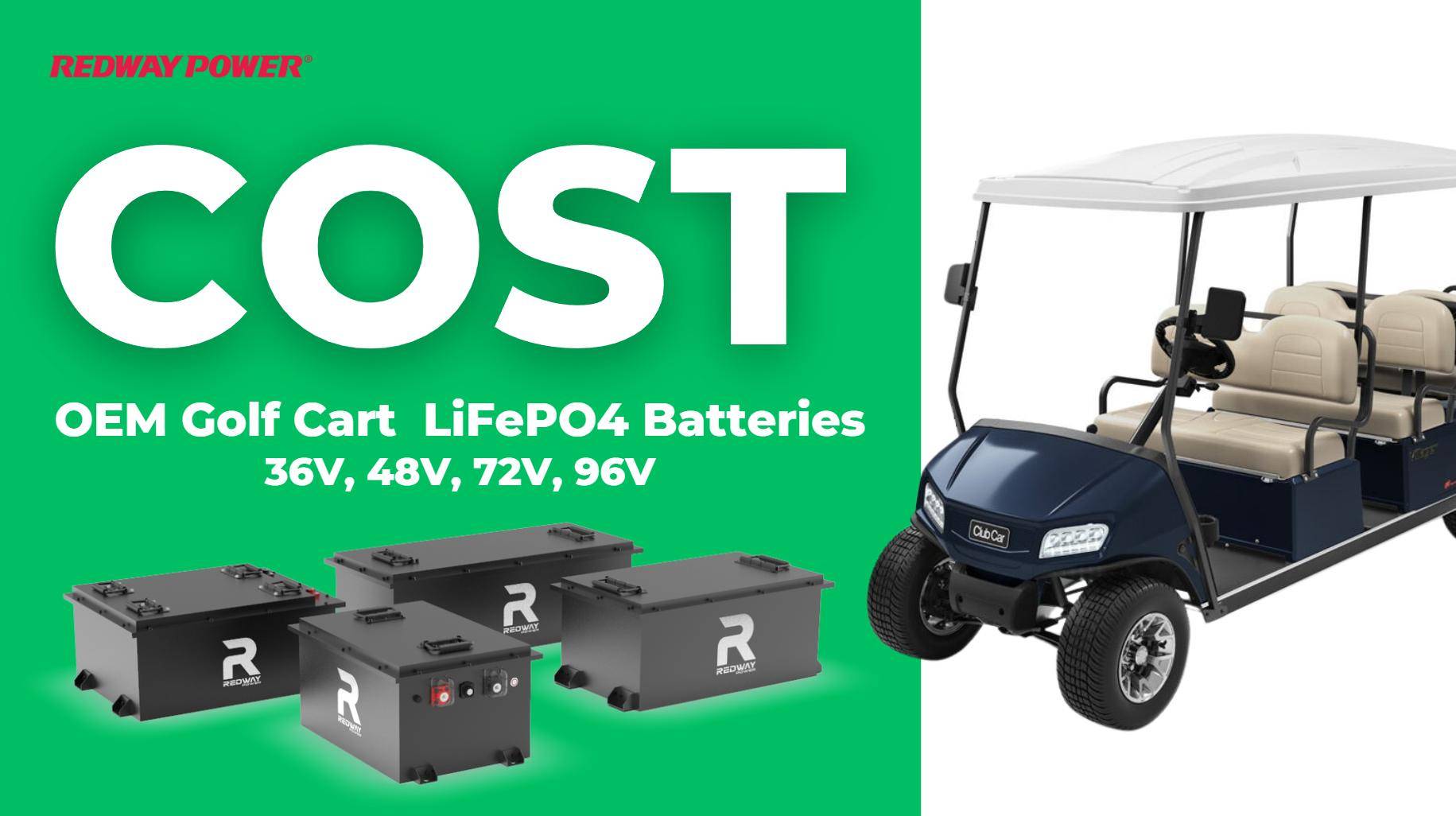
LiFePO4 (lithium iron phosphate) batteries reduce golf cart ownership costs through extended lifespans (5-10+ years), minimal maintenance, and superior energy efficiency. Unlike lead-acid batteries, they withstand deeper discharges, charge faster, and retain capacity longer. Their upfront cost is offset by fewer replacements and lower energy consumption, achieving 30-50% lifetime savings compared to traditional options.
What Makes LiFePO4 Batteries Last Longer Than Other Types?
LiFePO4 chemistry provides inherent stability with strong phosphate-oxygen bonds resistant to thermal runaway. They maintain 80% capacity after 2,000-5,000 cycles versus 300-1,000 cycles for lead-acid. Built-in battery management systems (BMS) prevent overcharging/overheating, while 100% depth-of-discharge capability reduces stress compared to lead-acid’s 50% limit. This molecular resilience translates to 4-8x longer functional lifespan in real-world use.
The crystalline structure of lithium iron phosphate creates a more stable cathode material than nickel or cobalt-based alternatives. This atomic arrangement minimizes electrolyte decomposition during charge cycles, a key factor in longevity. Field data from golf cart fleets shows LiFePO4 packs delivering 7-12 years of service in climates ranging from Arizona deserts to Canadian winters, outperforming lead-acid replacements that typically fail within 2-3 years under similar conditions.
| Battery Type | Cycle Life | Weight (48V System) | Maintenance Frequency |
|---|---|---|---|
| LiFePO4 | 2,000-5,000 cycles | 70-100 lbs | None |
| Lead-Acid | 300-1,000 cycles | 150-200 lbs | Weekly |
How Do Maintenance Needs Impact Total Ownership Costs?
LiFePO4 eliminates three key cost drivers: 1) No weekly water refilling ($200+/year labor savings), 2) No equalization charges reducing energy bills, 3) No terminal corrosion repairs. Their sealed design and stable chemistry prevent sulfation and stratification – the primary causes of premature lead-acid failures. This cuts annual maintenance costs by 90% compared to flooded lead-acid alternatives.
Golf course operators report saving 45-60 labor hours annually per 20-cart fleet through eliminated maintenance tasks. The non-corrosive terminals in LiFePO4 batteries also reduce electrical system repairs – a hidden cost that accounts for 18% of lead-acid battery-related service calls. Unlike lead-acid models requiring specific charging orientations, lithium batteries can be mounted in any position without performance degradation, simplifying cart design and maintenance workflows.
“The ROI math has become undeniable. Our clients average 22% lower operating costs after switching to LiFePO4 fleets. The hidden value comes from reduced cart downtime – we’ve measured 15% increased vehicle utilization at golf resorts.”
— Michael Tan, CTO of EcoBattery Solutions
FAQs: LiFePO4 Golf Cart Battery Costs
- Q: Can I retrofit LiFePO4 into older golf carts?
- A: Yes – most models require only minor voltage adapter adjustments. Ensure controller compatibility with lithium’s voltage curve.
- Q: How much weight savings do LiFePO4 batteries provide?
- A: Typical 48V setups weigh 70-100 lbs vs 150-200 lbs for lead-acid, improving range by 12-18% per charge.
- Q: What certifications should quality batteries have?
- A: Look for UN38.3, UL 2580, and IEC 62133 certifications ensuring safety and performance compliance.
Know more:
How Do LiFePO4 Batteries Enhance Golf Cart Performance with High Energy Density?
How Do LiFePO4 Batteries Reduce Golf Cart Ownership Costs?
How Are LiFePO4 Golf Cart Batteries Transforming Sustainability in Recreation?
How Do LiFePO4 Batteries Achieve Fast Charging with Minimal Downtime?
Why Are LiFePO4 Batteries Considered Low Maintenance?
Are LiFePO4 Golf Cart Batteries Safe and Stable for Long-Term Use?