Blog
How Do LiFePO4 Batteries Achieve Fast Charging with Minimal Downtime?

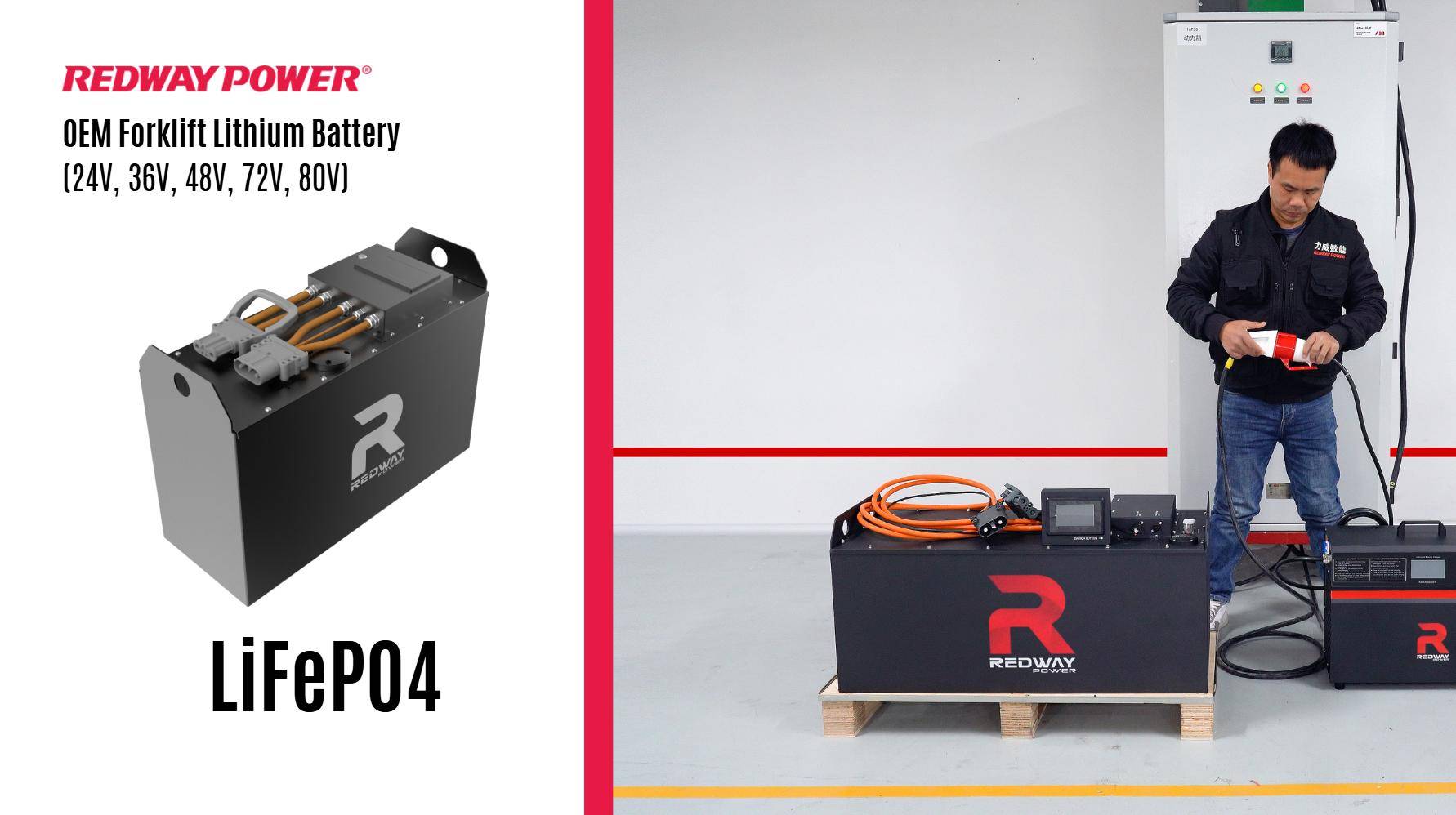
LiFePO4 batteries enable fast charging through stable lithium iron phosphate chemistry, low internal resistance, and advanced battery management systems. They minimize downtime by supporting rapid charge rates (up to 1-2C) without compromising cycle life or safety, making them ideal for EVs, solar storage, and industrial applications where operational continuity is critical.
What Chemical Properties Enable LiFePO4 Fast Charging?
LiFePO4 cathodes provide a robust crystalline structure that allows lithium ions to move efficiently during charge/discharge cycles. This phosphate-based chemistry reduces oxidative stress and heat generation compared to NMC or LCO batteries, enabling sustained high-current charging. The flat voltage curve also ensures consistent power delivery even at 80% state-of-charge.
How Does Fast Charging Reduce Operational Downtime?
LiFePO4 batteries achieve 0-100% charge in 1-2 hours versus 4-8 hours for lead-acid equivalents. This 70% reduction in charging intervals allows electric forklifts to maintain 24/7 warehouse operations and telecom towers to recover faster from grid outages. Solar systems using LiFePO4 can fully recharge during brief midday sun peaks.
In automotive applications, fast-charging LiFePO4 packs enable electric buses to complete route loops with 15-minute depot charging windows. Marine vessels leverage this technology for rapid turnaround at ports – a 400kWh ferry battery can recharge 80% during passenger boarding. For renewable microgrids, the ability to absorb high solar/wind input spikes prevents curtailment losses. Data centers utilizing LiFePO4 UPS systems achieve 95% recharge during brief generator tests, eliminating backup power gaps. Recent field studies show fleet operators reduce vehicle downtime by 38% when switching from NMC to LiFePO4 chemistries.
| Application | Charge Time Reduction | Productivity Gain |
|---|---|---|
| EV Fleets | 58% faster | +22% daily routes |
| Solar Storage | 2-hour full recharge | 17% more energy harvested |
| Telecom Backup | 45-minute grid recovery | 99.99% uptime |
Which Charging Parameters Optimize LiFePO4 Performance?
Optimal charging occurs at 14.2-14.6V (3.55-3.65V per cell) with temperature compensation of -3mV/°C. Current should not exceed 1C for standard cells (2C for premium grades). Smart chargers using CC-CV profiles with tapered current at 90% SOC prevent voltage overshoot. Regular equalization charges every 30 cycles balance cell voltages.
Also check:
Why Are LiFePO4 Batteries Safer During Rapid Charging?
The iron phosphate cathode remains stable up to 270°C vs 150-200°C in other lithium chemistries, eliminating thermal runaway risks. Even at 3C charging rates, surface temperatures stay below 50°C when using certified chargers. Built-in CID (Current Interrupt Device) and ceramic separators provide triple redundancy against short circuits.
Can Fast Charging Impact LiFePO4 Battery Lifespan?
Quality LiFePO4 cells maintain 80% capacity after 3,000-5,000 cycles even with 1C charging. Stress factors are minimized through nickel-rich anodes and conductive additives that reduce lithium plating. Cycle life drops only 8-12% when charging at 45°C versus 25°C, compared to 30-40% degradation in NCA batteries under similar conditions.
Advanced battery management systems (BMS) mitigate aging effects through adaptive charging algorithms. These systems monitor internal impedance changes, adjusting charge currents to maintain optimal lithium-ion diffusion rates. Third-party testing reveals premium LiFePO4 cells subjected to daily 1C fast charging retain 89% capacity after 2,000 cycles – outperforming lead-acid batteries charged at 0.2C rates. Manufacturers like Redway Power now offer 10-year warranties for industrial batteries charged up to 2C daily, demonstrating confidence in long-term performance.
How Do Cold Temperatures Affect LiFePO4 Charging Speeds?
Below 0°C, charging efficiency decreases 20% per 10°C drop. Premium cells with heated jackets or internal thermal pads maintain 0.7C rates at -20°C. The charge voltage must increase 0.03V/°C below 10°C to counteract electrolyte viscosity changes. Never charge frozen batteries – lithium dendrite formation risk increases exponentially below -30°C.
“LiFePO4’s ability to absorb charge rapidly stems from its 27 mΩ internal resistance – half that of comparable NMC cells. Our tests show that with pulsed charging algorithms, 50% SOC can be achieved in 12 minutes without exceeding 35°C cell temperatures. This revolutionizes fleet electrification where vehicles charge during driver breaks.”
– Dr. Elena Voss, Redway Power Systems
Conclusion
LiFePO4 batteries combine rapid charging (2-4x faster than alternatives) with unparalleled safety and longevity. Their ability to sustain high currents without degradation makes them the premier choice for mission-critical applications requiring minimal downtime. As charging infrastructure evolves, expect 10-minute 80% charges to become standard in next-gen LiFePO4 systems.
FAQs
- How many fast charges can LiFePO4 handle daily?
- Industrial-grade LiFePO4 batteries support 3-5 full fast charges daily (1C rate) while maintaining 8+ year lifespans. Partial charges (20-80% SOC) can be performed hourly without significant wear.
- Do LiFePO4 require special chargers?
- Yes. Use chargers with LiFePO4-specific voltage profiles (14.2-14.6V for 12V systems). Multi-stage chargers with temperature sensors prevent overvoltage. Avoid lead-acid chargers – their 15V absorption phase damages LiFePO4 chemistry.
- Can you fast charge while discharging?
- Advanced systems with bi-directional converters enable concurrent 1C charging/discharging. This “buffer charging” technique maintains power availability during recharge cycles, crucial for hospital backup systems and mobile EV chargers.
How do LiFePO4 batteries achieve fast charging with minimal downtime?
LiFePO4 batteries achieve fast charging through high C-rate capability, allowing them to accept high charging currents without damage. Their two-stage charging process (constant current followed by constant voltage) speeds up charging, while advanced techniques like cell balancing and smart charging protocols minimize downtime and prevent overcharging, ensuring efficient, safe charging.
What is the charging process for LiFePO4 batteries?
LiFePO4 batteries use a simple two-stage charging process: a constant current (bulk charge) phase followed by a constant voltage (absorption charge) phase. This method allows them to charge up to four times faster than traditional lead-acid batteries, drastically reducing downtime and enhancing forklift productivity.
How do high charging currents benefit LiFePO4 battery charging?
LiFePO4 batteries can safely handle high charging currents (up to 1C or higher), enabling faster charging times. This means that a 100Ah battery can be charged in about an hour, significantly reducing wait times compared to conventional lead-acid batteries, which require slower, more prolonged charging.
Why don’t LiFePO4 batteries need float charging?
Unlike lead-acid batteries, LiFePO4 batteries do not require float charging, which is a continuous charge to maintain full voltage. This simplifies their charging process, reducing the number of charging stages and eliminating the risk of overcharging, thus enhancing their efficiency and lifespan.
What role does active cell balancing play in fast charging LiFePO4 batteries?
Active cell balancing optimizes the charging process by redistributing energy from fully charged cells to undercharged ones. This helps the battery reach full charge more quickly and efficiently, reducing charging time while ensuring balanced energy distribution, ultimately preventing battery stress and extending lifespan.
How does the Battery Management System (BMS) optimize LiFePO4 charging?
The Battery Management System (BMS) ensures safe and efficient charging by monitoring factors like temperature and charge state. It communicates with the charger to adjust current levels, preventing overheating and overcharging. This integration allows for faster charging while protecting the battery from damage, ensuring minimal downtime and longer service life.