Blog
What Happens If You Use a Regular Charger on a Lithium Battery?


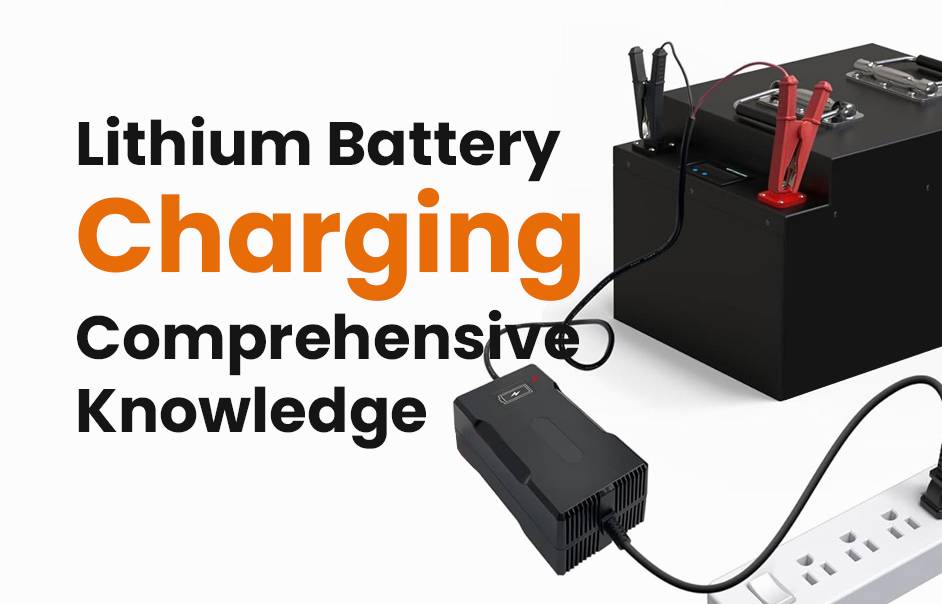
Using a regular charger on a lithium battery can lead to serious risks, including overcharging, reduced lifespan, and potential safety hazards. Lithium batteries require specific charging protocols that differ significantly from those of traditional lead-acid batteries. Understanding these differences is essential for safe and effective battery management.
What are the risks of using a regular charger on lithium batteries?
Using a regular charger designed for lead-acid batteries can cause several issues when charging lithium batteries:
- Overcharging: Regular chargers may not have the necessary cut-off features, leading to overcharging, which can damage the battery and reduce its lifespan.
- Increased Heat Generation: Regular chargers may generate excessive heat, risking thermal runaway—a condition where the battery overheats and potentially catches fire.
- Capacity Loss: Prolonged charging with an inappropriate charger can lead to capacity loss and reduced performance over time.
| Risk | Description |
|---|---|
| Overcharging | Can damage battery and reduce lifespan |
| Increased Heat | Risk of thermal runaway |
| Capacity Loss | Decreased performance over time |
How does charging lithium batteries differ from lead-acid batteries?
Lithium and lead-acid batteries have fundamentally different charging requirements:
- Charging Stages: Lithium batteries typically charge in two stages—constant current (CC) followed by constant voltage (CV). In contrast, lead-acid chargers often use a three-stage process that includes bulk, absorption, and float stages.
- Voltage Limits: Lithium batteries require precise voltage limits (usually around 4.2V per cell) during charging. Exceeding this limit can cause damage, while lead-acid batteries tolerate higher voltages during the float stage.
- Self-discharge Rates: Lithium batteries have lower self-discharge rates compared to lead-acid types, meaning they retain charge longer when not in use.
What happens if you exceed the voltage limits while charging?
Exceeding voltage limits while charging lithium batteries can have severe consequences:
- Thermal Runaway: High voltages can cause excessive heat buildup, leading to thermal runaway—a dangerous condition where the battery overheats uncontrollably.
- Battery Damage: Overvoltage can result in permanent damage to the battery cells, reducing capacity and performance.
- Safety Hazards: In extreme cases, overcharging can cause fires or explosions due to gas buildup or electrolyte leakage.
| Consequence | Description |
|---|---|
| Thermal Runaway | Risk of uncontrolled overheating |
| Battery Damage | Permanent reduction in capacity |
| Safety Hazards | Potential fires or explosions |
What should you do instead of using a regular charger?
To ensure safe and effective charging of lithium batteries:
- Use a Dedicated Lithium Charger: Always use chargers specifically designed for lithium-ion technology that include built-in safety features.
- Monitor Charging Conditions: Regularly check that the battery is not overheating during the charging process.
- Follow Manufacturer Guidelines: Always adhere to the manufacturer’s recommendations regarding voltage limits and charging practices.
| Recommended Action | Description |
|---|---|
| Use Dedicated Chargers | Ensure compatibility with lithium technology |
| Monitor Conditions | Check for overheating during charging |
| Follow Guidelines | Adhere to manufacturer instructions |
How can you prevent overcharging lithium batteries?
Preventing overcharging involves several best practices:
- Smart Chargers: Invest in smart chargers that automatically stop charging once the battery reaches full capacity.
- Regular Monitoring: Keep an eye on your battery’s charge level and unplug it once fully charged if using non-smart chargers.
- Avoid Long Charging Times: Do not leave your battery connected for extended periods after reaching full charge.
| Prevention Method | Description |
|---|---|
| Smart Chargers | Automatically stop when fully charged |
| Regular Monitoring | Unplug after full charge |
| Avoid Long Charging Times | Prevents potential overcharging |
What safety features do lithium batteries have to prevent damage?
Lithium batteries come equipped with several safety features designed to protect against various risks:
- Battery Management System (BMS): This system monitors voltage, current, and temperature levels to prevent overcharging and overheating.
- Thermal Protection: Many lithium batteries include thermal fuses or cutoff switches that disconnect power if temperatures exceed safe limits.
- Short-Circuit Protection: Built-in mechanisms prevent short circuits that could lead to fires or explosions.
| Safety Feature | Description |
|---|---|
| Battery Management System (BMS) | Monitors critical parameters |
| Thermal Protection | Disconnects power at unsafe temperatures |
| Short-Circuit Protection | Prevents dangerous electrical faults |
Tips for Battery Wholesale Buyers
For those looking to purchase batteries in bulk or OEM orders, consider these key points:
- Choose Reliable Manufacturers: Partnering with established companies like Redway Power, which has over 13 years of experience in lithium battery technology, ensures quality products.
- Understand Your Needs: Clearly define specifications based on application requirements.
- Request Samples: Before placing large orders, testing samples helps ensure product satisfaction.
By opting for advanced battery technologies over traditional options, buyers benefit from improved efficiency and reduced environmental impact.
Redway Power Expert Views
“Using the right charger is crucial for maintaining the health of your lithium battery,” states an expert from Redway Power. “With built-in protections against overcharging, modern lithium technology offers both safety and efficiency when properly managed.”
FAQ Section
- Can I use a regular charger for my lithium battery?
No, it’s essential to use a charger specifically designed for lithium technology to avoid damage. - What happens if I accidentally overcharge my lithium battery?
Overcharging can lead to reduced lifespan, capacity loss, or even thermal runaway in severe cases. - How can I tell if my charger is suitable for my lithium battery?
Check specifications; it should provide appropriate voltage and current levels for your specific battery model. - What are some signs that my battery is being overcharged?
Signs include excessive heat, swelling, diminished performance, or unusual odors. - How often should I check my battery during charging?
Regularly monitor your battery’s temperature and status throughout the charging process for safety.

Using a regular charger on a lithium battery might seem convenient, but it poses significant risks. Let’s delve into the potential dangers:
- Overcharging Hazards:
- Lithium batteries have specific charging requirements. Regular chargers may lack the necessary safeguards, risking overcharging. This can lead to excessive heat, thermal runaway, and even explosions, posing severe safety concerns.
- Undercharging Risks:
- Regular chargers may not provide sufficient power for lithium batteries, leading to undercharging. This results in incomplete charging cycles and reduced capacity over time, impacting the battery’s overall performance.
- Voiding Warranties:
- Using an incompatible charger can damage internal components, potentially voiding warranties associated with your lithium battery. This can result in financial implications if the battery malfunctions due to improper charging practices.
To ensure safety and optimal performance, always use chargers specifically designed for lithium batteries, following manufacturer guidelines for proper charging practices.
Effects on battery life and performance
Using a regular charger on a lithium battery can significantly impact its lifespan and performance. Let’s explore the effects:
- Overcharging and Undercharging Risks:
- Lithium batteries require specific voltage and current levels for charging. Using a regular charger may lead to overcharging (risking heat generation, thermal runaway, or explosions) or undercharging (resulting in reduced capacity and shorter run times).
- Accelerated Degradation:
- Regular chargers can accelerate the degradation of internal battery components like electrodes and electrolytes. This degradation reduces both maximum capacity and the ability to hold a charge effectively, impacting overall battery health.
- Performance Issues:
- Incorrect chargers may deliver unstable voltage outputs, causing performance issues during usage. This instability can lead to sudden power loss or inconsistent charging cycles, affecting the battery’s reliability during operation.
To ensure optimal performance and extend the lifespan of lithium batteries, always use chargers specifically designed for them. Look for chargers with accurate voltage outputs and safety features to safeguard against potential risks.
Alternatives to using a regular charger
Ensuring safety and optimal performance when charging lithium batteries requires the right charger. However, in situations where the correct charger isn’t available, consider these alternatives:
- USB Charging:
- Convenient for devices with lithium batteries, USB charging through a computer or wall adapter is a quick alternative when the dedicated charger is unavailable.
- Portable Power Banks:
- Compact and portable, power banks store energy for on-the-go charging of lithium battery-powered devices. Ensure compatibility between the power bank and lithium batteries.
- Solar Chargers:
- Ideal for outdoor settings without electricity access, solar chargers harness sunlight to charge lithium batteries, offering a sustainable and eco-friendly option.
- Universal Chargers:
- Designed for multiple battery types, including lithium-ion, universal chargers come with adjustable voltage settings and various connectors for versatility.
While these alternatives are useful temporarily, it’s crucial to invest in the proper charger for long-term use and optimal battery health.
Tips for safely charging lithium batteries
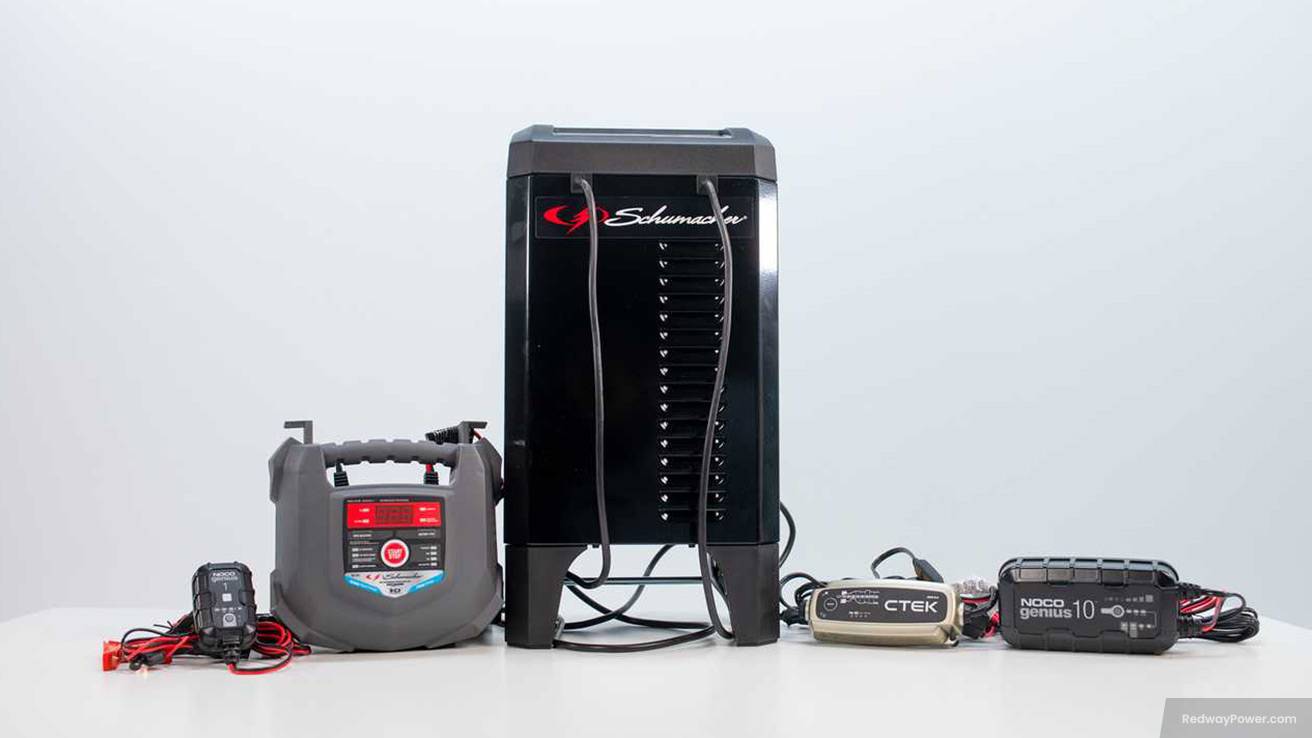
Using the correct charger for lithium batteries is crucial to prevent detrimental effects on their life and performance. To ensure safety and longevity, follow these important tips when charging lithium batteries:
- Read Manufacturer’s Instructions:
- Familiarize yourself with unique charging guidelines provided by the battery manufacturer before attempting to charge.
- Use a Compatible Charger:
- Invest in a dedicated lithium battery charger designed for your battery type, offering precise voltage and current control for safe and efficient charging.
- Avoid Overcharging:
- Prevent excessive heat build-up and extend battery lifespan by avoiding prolonged charging once batteries reach full charge.
- Charge at Room Temperature:
- Charge lithium batteries within a comfortable room temperature range to maintain optimal performance and health.
- Don’t Leave Unattended:
- Never leave batteries unattended during charging to mitigate safety concerns, such as fire hazards or potential damage from overcharging.
- Store Properly When Not in Use:
- Store lithium batteries in a cool, dry place away from direct sunlight or extreme temperatures when not in use to preserve optimal performance.
Consistently following these tips when charging lithium batteries maximizes their lifespan and minimizes risks associated with improper charging practices, promoting safe usage throughout their lifespan.