

Tag Archives: Cold Cranking Amps
What Makes the NAPA BCI 49 Battery a Top Choice for Vehicles?

The NAPA BCI 49 battery is a high-performance, group-size 49 battery designed for vehicles requiring reliable ...
What Is a 12V 65 BCI Battery and How Does It Work
A 12V 65 BCI battery is a lead-acid automotive battery with 65 minutes of reserve capacity, designed for vehic...
What Is a 12V BCI U1 Dry Battery with 300 CCA?
A 12V BCI U1 dry battery with 300 CCA is a maintenance-free, sealed lead-acid battery designed for small engin...
What Is a BCI PC 55 Battery and Why Is It Important?
The BCI PC 55 battery is a standardized group size for automotive batteries, designed to fit vehicles requirin...
What Is a BCI 48 Battery and Why Is It Important for Commercial Vehicles?
A BCI 48 battery is a group-size battery designed for commercial vehicles like trucks, buses, and heavy-duty e...
What Does BCI Group Size Mean for Your Battery?
BCI group size refers to the standardized dimensions and terminal configurations defined by the Battery Counci...
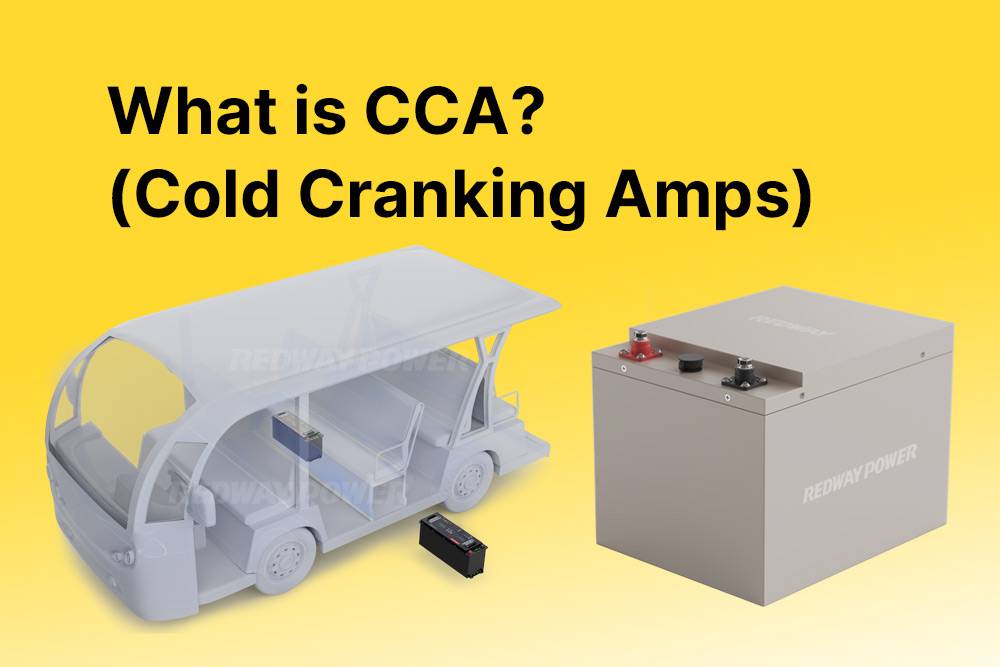
What Are Cold Cranking Amps (CCA)?
Cold Cranking Amps (CCA) measures how much current a fully charged 12-volt battery can deliver at 0 °F for 30 ...
Convert Cold Cranking Amps (CCA) to Amp Hours (Ah): A Simple Guide
You can estimate a battery's Amp-hour (Ah) capacity by dividing its Cold Cranking Amps (CCA) by approximately ...

How Many CCA Should a Lawn Mower Battery Have?
Lawn mower batteries typically require a Cold Cranking Amps (CCA) rating between 150 and ...
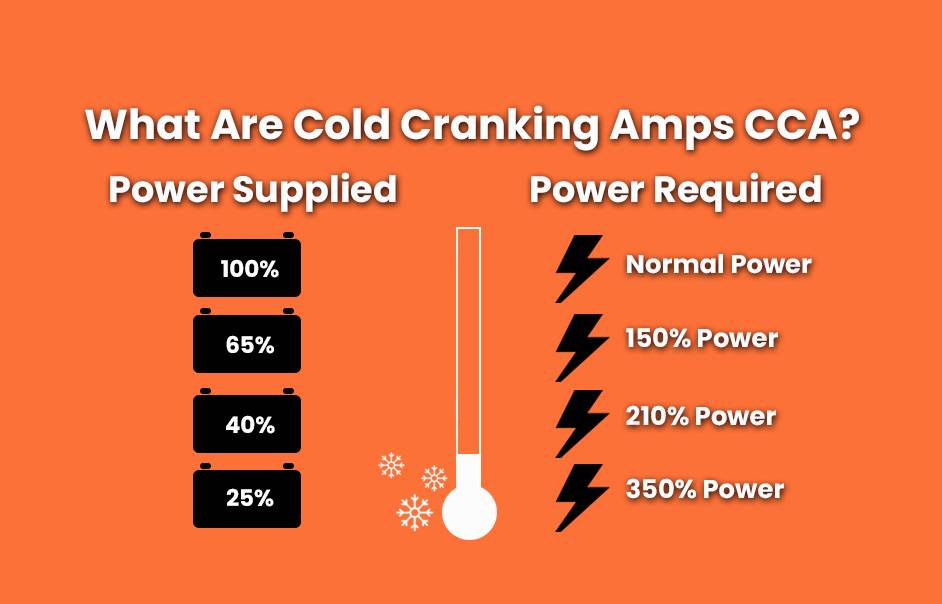
What Are Cold Cranking Amps (CCA) and Why Do They Matter?
Cold Cranking Amps (CCA) measure how much current a battery can supply for 30 seconds at 0°F (-17.8°C) without...