Blog
What Are the Cost Benefits of LiFePO4 Golf Cart Batteries

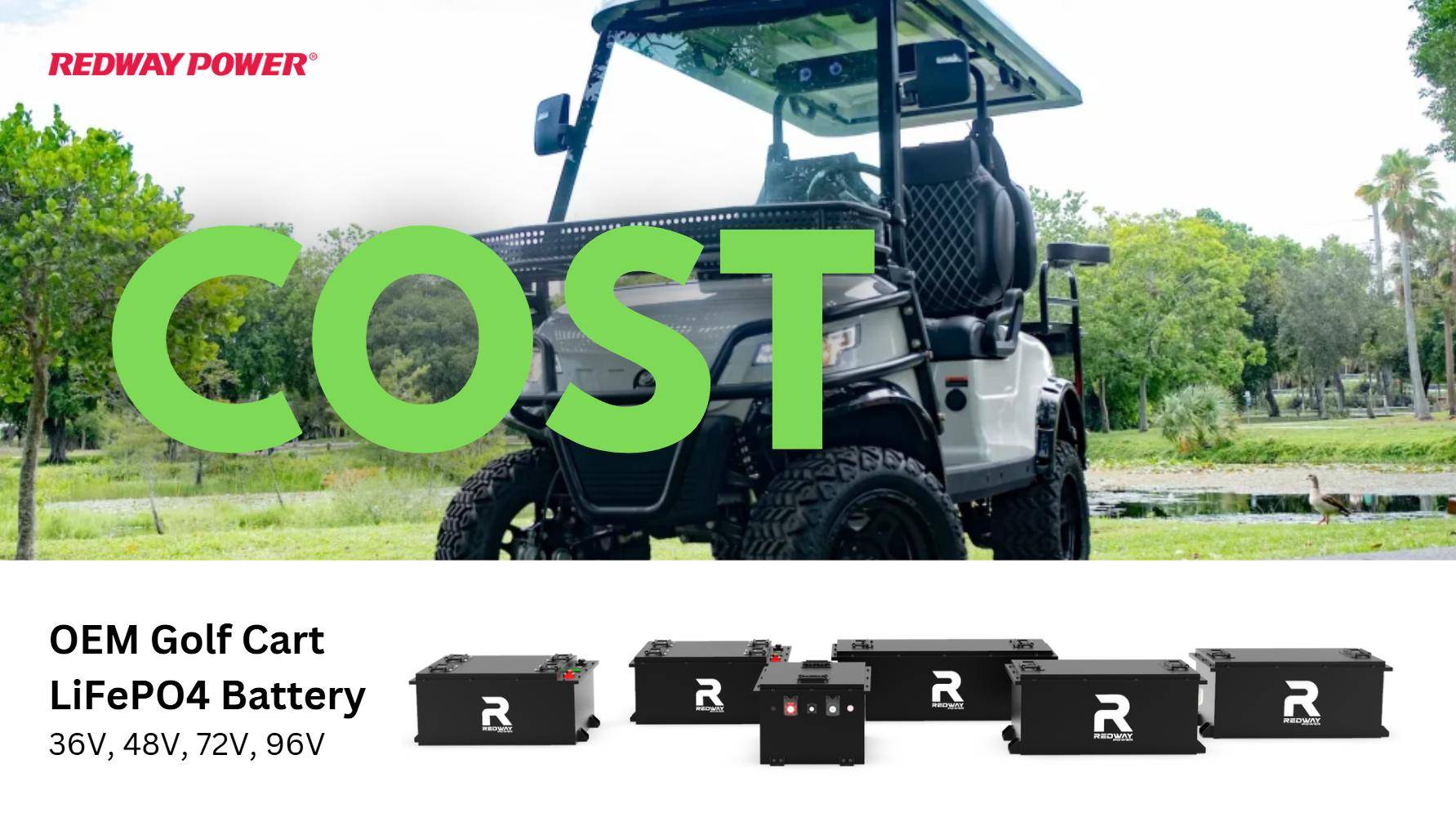
LiFePO4 (lithium iron phosphate) golf cart batteries offer significant long-term savings despite higher upfront costs. They last 4-8x longer than lead-acid batteries, require minimal maintenance, and provide consistent power, reducing replacement frequency. With faster charging and 80-100% usable capacity, they lower energy costs and downtime. Environmental benefits include recyclability and zero emissions during use.
How Do LiFePO4 Batteries Compare in Initial Cost to Lead-Acid?
LiFePO4 batteries cost 2-3x more upfront than lead-acid (e.g., $800-$1,200 vs. $300-$600). However, their lifespan of 2,000-5,000 cycles versus 500-1,000 cycles for lead-acid makes them cost-effective long-term. A single LiFePO4 battery often replaces 4-6 lead-acid units over 10 years, reducing cumulative purchase costs by 30-50%.
Why Are LiFePO4 Batteries More Energy-Efficient Than Alternatives?
LiFePO4 batteries achieve 95-98% energy efficiency, compared to 70-85% for lead-acid. They lose less energy as heat during charging, reducing electricity consumption by 20-40%. Their stable voltage output also ensures consistent motor performance, extending golf cart range per charge by 15-25% compared to voltage-depleting lead-acid systems.
What Maintenance Savings Do LiFePO4 Batteries Provide?
Lead-acid batteries require monthly water refills, terminal cleaning, and equalization charges. LiFePO4 batteries are maintenance-free: no watering, corrosion-resistant terminals, and self-balancing cells. This saves 5-10 hours/year in labor and eliminates costs for distilled water, hydrometers, and anti-corrosion sprays ($50-$100 annually).
How Does Temperature Resilience Affect LiFePO4 Battery Costs?
LiFePO4 batteries operate efficiently in -4°F to 140°F (-20°C to 60°C) without performance loss. Lead-acid batteries lose 30-50% capacity below freezing and require insulation/heating pads ($100-$300). In hot climates, LiFePO4’s thermal stability prevents sulfation damage, avoiding $200-$400/year in premature replacement costs common with lead-acid.
This temperature resilience translates to operational flexibility across diverse climates. Golf courses in northern states no longer need heated storage facilities, saving $1,200-$2,500 annually in utility costs. Desert-based operations benefit from reduced capacity fade – LiFePO4 retains 95% capacity after 2,000 cycles at 113°F (45°C), versus lead-acid’s 60% degradation under identical conditions. The built-in Battery Management System (BMS) automatically adjusts charge rates in extreme temperatures, preventing $800-$1,500 in potential damage from thermal runaway incidents.
| Temperature Scenario | LiFePO4 Capacity Retention | Lead-Acid Capacity Retention |
|---|---|---|
| -4°F (-20°C) | 85% | 40-50% |
| 77°F (25°C) | 100% | 100% |
| 140°F (60°C) | 92% | 55-60% |
Can LiFePO4 Batteries Reduce Golf Cart Downtime Costs?
LiFePO4 batteries charge in 2-4 hours versus 8-12 hours for lead-acid, enabling multiple daily rounds without waiting. Their 80-100% depth of discharge (vs. 50% for lead-acid) extends usable runtime. For commercial courses, this reduces backup cart fleets by 40-60%, saving $10,000-$25,000 in inventory costs annually.
Know more:
How to Choose and Buy the Best LiFePO4 Golf Cart Battery?
What Are the Best Wholesale and OEM Options for LiFePO4 Golf Cart Batteries?
What Are the Cost Benefits of LiFePO4 Golf Cart Batteries?
How to Troubleshoot LiFePO4 Golf Cart Battery Issues?
What Should You Know About LiFePO4 Golf Cart Battery Warranties and Support?
How to Get a Quote for LiFePO4 Golf Cart Batteries?
What Hidden Costs Do LiFePO4 Batteries Eliminate?
LiFePO4 avoids lead-acid’s hidden expenses: $150-$300 battery disposal fees (due to toxic lead), $200-$500 acid spill containment kits, and $100-$250/year for ventilation systems to prevent hydrogen gas buildup. Their sealed design and non-toxic chemistry comply with OSHA/EPA regulations, eliminating fines up to $10,000/year.
Course operators also avoid secondary expenses like employee training for acid handling ($500-$1,000/certification) and specialized storage areas with acid-resistant flooring ($3,000-$7,000 installation). Unlike lead-acid batteries that require monthly specific gravity testing, LiFePO4’s digital monitoring systems provide real-time health data through mobile apps, reducing diagnostic labor by 80%. The absence of electrolyte evaporation eliminates $200-$400/year in water top-up costs and prevents cart frame corrosion – a common $1,200-$2,000 repair expense with lead-acid systems.
“LiFePO4’s ROI isn’t just in longevity—it’s in operational agility. Courses using them report 18% more rounds/year due to faster turnover and zero midday charging pauses. The tech also future-proofs fleets; upcoming smart BMS will enable energy resale to grids during peak demand, turning batteries into revenue streams.”
— Energy Storage Analyst, Golf Industry Report
Conclusion
While LiFePO4 golf cart batteries demand higher initial investment, their 10-year total cost is 40-60% lower than lead-acid. Savings from reduced maintenance, downtime, disposal fees, and energy waste compound annually, making them indispensable for cost-conscious courses. As lithium tech scales, upfront prices are projected to drop 15-20% by 2025, widening their economic advantage.
FAQs
- Do LiFePO4 batteries work with existing golf cart chargers?
- Most require a lithium-specific charger ($150-$300) to optimize voltage curves. Using lead-acid chargers may void warranties and reduce lifespan by 30%.
- How are expired LiFePO4 batteries recycled?
- 95% of LiFePO4 materials are recyclable. Manufacturers like Battle Born and RELiON offer take-back programs, refurbishing cells for solar storage. Recycling costs average $50-$100 per battery, often offset by core rebates.
- Can I retrofit LiFePO4 into older golf carts?
- Yes, but ensure the battery tray fits slimmer LiFePO4 dimensions (may require $20-$50 adapters). Upgrade wiring to handle higher continuous current (6 AWG recommended).