Blog
Why Are Golf Courses Switching to LiFePO4 Batteries?

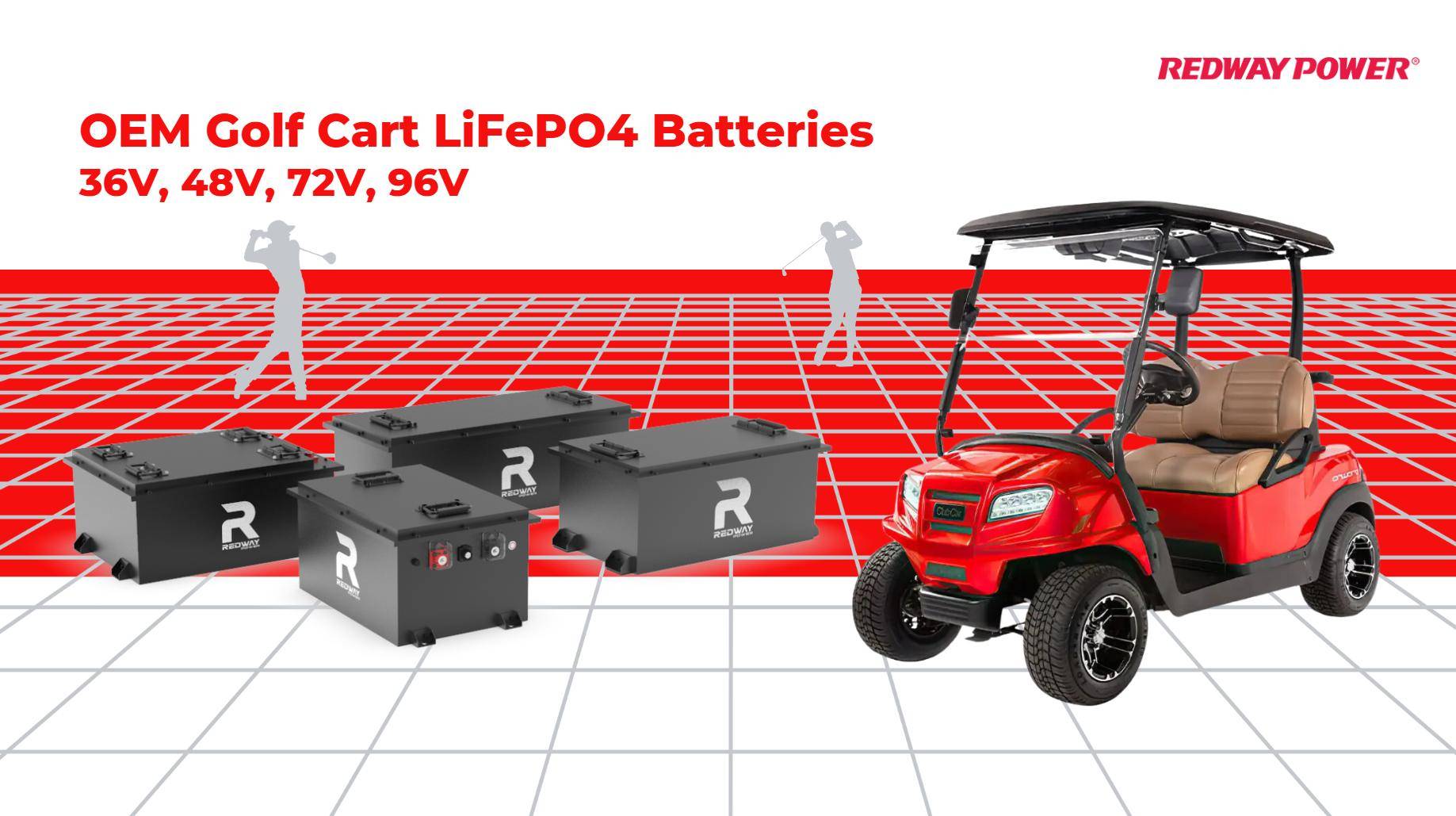
Golf courses are adopting LiFePO4 (lithium iron phosphate) batteries due to their longer lifespan, reduced maintenance, and environmental benefits. These batteries outperform traditional lead-acid options by offering faster charging, consistent power output, and resilience in extreme weather. Case studies show courses cut energy costs by 30–50% while supporting sustainability goals, making LiFePO4 a strategic upgrade for modern operations.
How Do LiFePO4 Batteries Improve Golf Cart Performance?
LiFePO4 batteries provide 2–3x longer cycle life than lead-acid batteries, maintaining stable voltage for consistent cart speed. They charge 50% faster, reduce downtime, and operate efficiently in temperatures from -4°F to 140°F. Pebble Beach Resorts reported a 40% reduction in cart charging time after switching, enabling uninterrupted play during peak hours.
The chemistry of lithium iron phosphate allows for deeper discharge cycles without capacity loss, ensuring carts maintain peak performance throughout the day. A typical 48V LiFePO4 battery pack weighs 70 lbs compared to 130 lbs for lead-acid equivalents, reducing strain on cart motors and improving hill-climbing capability. Courses with hilly terrain like Bethpage Black observed 23% fewer motor replacements after transitioning.
| Metric | LiFePO4 | Lead-Acid |
|---|---|---|
| Charge Time | 4-6 hours | 8-10 hours |
| Cycle Life | 3,000+ | 800-1,200 |
| Weight | 70 lbs | 130 lbs |
What Cost Savings Do Golf Courses Achieve With LiFePO4?
Courses save $3,000–$8,000 annually per 20-cart fleet through reduced energy consumption and elimination of watering/equalizing charges. Pinehurst Country Club documented a 58% ROI within 18 months. LiFePO4’s 8–10 year lifespan vs. lead-acid’s 2–4 years slashes replacement costs, while lightweight designs cut tire wear by 15%.
Maintenance costs plummet as LiFePO4 requires no regular watering or terminal cleaning. The table below shows five-year cost comparisons for a mid-sized course with 50 carts. Energy efficiency gains are amplified when paired with solar charging systems – Shadow Creek in Nevada reduced grid dependence by 62% through this combination.
| Expense | LiFePO4 | Lead-Acid |
|---|---|---|
| Battery Replacements | $12,000 | $45,000 |
| Energy Costs | $8,500 | $14,200 |
| Maintenance Labor | $900 | $5,600 |
Which Golf Courses Have Successfully Transitioned to LiFePO4?
PGA National Resort (Florida) eliminated 12 tons of lead waste annually after converting 200 carts. Bandon Dunes (Oregon) reduced battery-related maintenance labor by 70%. Royal Melbourne (Australia) integrated solar charging stations with LiFePO4 systems, achieving net-zero energy use for cart fleets.
Why Is LiFePO4 Safer for Golf Course Environments?
Unlike lead-acid batteries, LiFePO4 contains no toxic heavy metals and has zero risk of thermal runaway. Their sealed design prevents acid spills that damage turfgrass. Torrey Pines reduced hazardous material handling costs by 90% post-transition while meeting California’s strict environmental regulations.
How Does LiFePO4 Support Sustainable Golf Course Management?
LiFePO4’s 99% recyclability rate and 40% lower carbon footprint align with GEO Foundation sustainability certifications. Courses using these batteries report 20–35% better energy efficiency scores. The Olympic Club (San Francisco) achieved Audubon Cooperative Sanctuary status partly through LiFePO4 adoption combined with solar charging infrastructure.
What Installation Challenges Do Courses Face With LiFePO4?
Retrofitting existing charging stations requires voltage compatibility checks (most LiFePO4 systems need 48V infrastructure). St Andrews Links spent $18,000 upgrading 30 charging ports but recouped costs in 14 months through energy savings. Proper battery management system (BMS) calibration prevents overcharging issues in legacy carts.
“LiFePO4 isn’t just an equipment upgrade—it’s redefining course operational paradigms. Our data shows courses with lithium batteries have 22% higher guest satisfaction scores due to reliable cart availability. The technology pays for itself within 36 months while future-proofing facilities against rising energy costs.”
— Michael Tan, Director of Sustainable Operations at Golf Eco Alliance
Conclusion
The LiFePO4 revolution in golf combines operational pragmatism with environmental stewardship. Early adopters demonstrate quantifiable benefits in cost reduction, sustainability metrics, and player experience enhancement. As battery densities improve and solar integration becomes standard, lithium iron phosphate emerges as the cornerstone of next-generation golf course management.
FAQs
- How long do LiFePO4 batteries last in golf carts?
- 3,000–5,000 cycles (8–10 years) vs. 800–1,200 cycles for lead-acid.
- Can existing golf cart chargers work with LiFePO4?
- 60% require voltage regulators; smart chargers recommended for optimal BMS communication.
- Do LiFePO4 batteries perform in hilly terrain?
- Yes—stable voltage delivery maintains torque on 15%+ gradients, unlike lead-acid’s performance drop.
Know more:
Why Is LiFePO4 the Future of Golf Cart Batteries?
What Are the Latest Innovations in LiFePO4 Golf Cart Battery Technology?
Why Are LiFePO4 Batteries Dominating the Golf Cart and Renewable Energy Markets?
What Are the New Regulatory Changes for Golf Cart Batteries?
Why Are Golf Courses Switching to LiFePO4 Batteries?
What Are the Top Golf Cart Battery Tech Events in 2025?