Blog
Why Do Rechargeable Batteries Eventually Lose Their Charge?

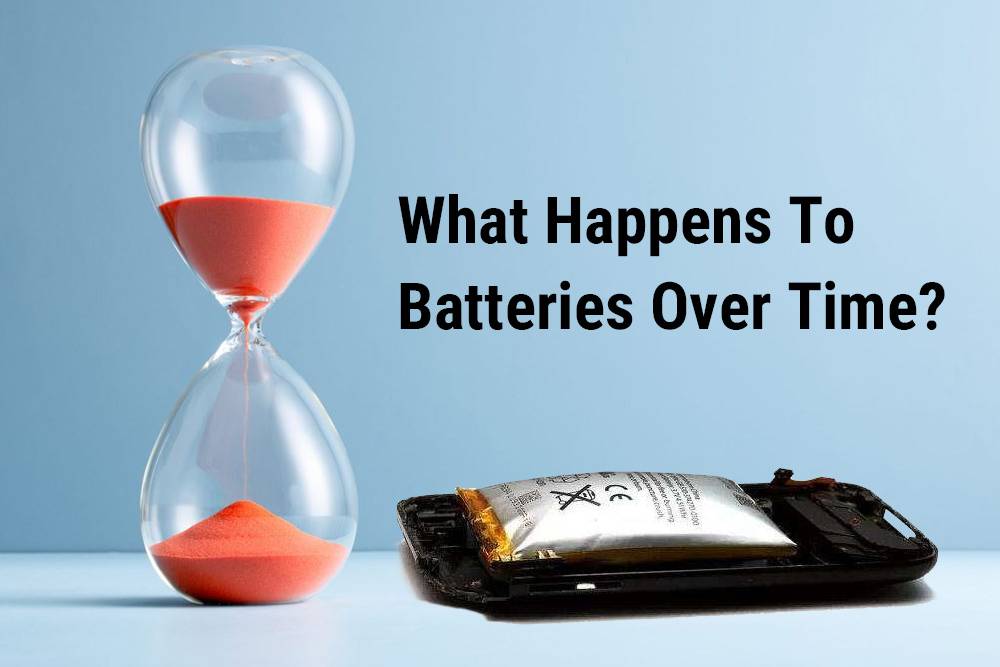
Rechargeable batteries lose their charge over time due to chemical, mechanical, and environmental factors that degrade their internal components and reduce their capacity to store and deliver energy efficiently. Complex chemical reactions, temperature extremes, frequent cycling, and improper usage contribute to gradual capacity loss, affecting performance, safety, and lifespan.
What causes rechargeable batteries to lose their charge over time?
Rechargeable batteries lose charge capacity mainly due to irreversible chemical changes inside their cells. During each charge-discharge cycle, side reactions create byproducts and structural changes that consume active materials and block ion flow. Over time, this reduces the battery’s ability to hold and release electrical energy effectively, causing gradual capacity fade.

How do chemical reactions inside a battery lead to capacity loss?
Within a battery, repeated cycling triggers chemical side reactions such as the formation of solid-electrolyte interphase (SEI) layers on electrodes, lithium plating, and electrolyte decomposition. These processes consume lithium ions and active electrode materials, limiting available charge carriers and increasing internal resistance, which diminishes capacity and power output.
Which environmental factors accelerate the degradation of rechargeable batteries?
Extreme temperatures speed up degradation: high heat accelerates chemical breakdown and electrolyte evaporation, while cold slows ion movement and stresses the battery. Humidity, exposure to moisture, and mechanical vibrations or shocks also contribute to faster wear and can cause internal shorts or corrosion.
How does cycling and usage behavior impact battery lifespan?
The number and depth of charge/discharge cycles significantly influence longevity. Deep discharges and high current draws increase stress on active materials, speeding chemical and mechanical degradation. Conversely, shallow cycling and moderate charging rates help preserve capacity. Overcharging or leaving batteries at full charge for long periods also accelerates aging.
What mechanical changes occur inside batteries that reduce performance?
Repeated expansion and contraction of electrode materials during cycling cause physical stresses that can crack or break particles, leading to loss of electrical contact. This degradation reduces effective active material area, increasing internal resistance and lowering both capacity and power delivery.
How does temperature affect rechargeable battery capacity and safety?
Battery capacity decreases outside optimal temperature ranges (usually around 20-25°C). High temperatures not only lower lifespan by accelerating degradation but also increase risk of thermal runaway in lithium-ion batteries, potentially causing fires or explosions. Cold temperatures reduce usable capacity temporarily by impeding ion flow, leading to poor performance.

Chart title: Effect of Temperature on Battery Capacity and Safety
How do storage and handling practices influence battery longevity?
Proper storage in cool, dry environments slows chemical reactions that cause capacity loss. Batteries stored fully charged or completely discharged degrade faster than those at moderate charge levels. Avoiding physical damage, contamination, and mixing battery conditions during storage helps maintain consistent performance.
What signs indicate that a rechargeable battery no longer holds sufficient charge?
Common signs include rapid battery drain, inability to hold full charge, increased charging times, device performance issues, unexpected shutdowns, and visible swelling or leakage in some cases. These symptoms signal capacity loss and internal damage affecting functionality.
How can users extend the operational life of their rechargeable batteries?
Maintaining moderate temperatures, avoiding deep discharge cycles, using recommended charging practices, and storing batteries properly can slow degradation. Utilizing batteries with advanced Battery Management Systems (BMS), such as those in Redway Power’s lithium battery packs, enhances protection against overcharge, overheating, and prolongs usable life.
Which battery components are most vulnerable to degradation first?
Electrodes and electrolyte degrade earliest: electrode materials crack and lose conductivity, and electrolyte decomposes or evaporates. The SEI layer thickens over time, consuming lithium ions and impairing ion transport. These effects combine to reduce capacity and increase resistance.
How do different battery chemistries vary in their degradation patterns?
Lithium-ion batteries typically degrade via SEI growth and lithium plating, while nickel-based batteries suffer from memory effects and electrode corrosion. Lead-acid batteries experience sulfation of plates. Each chemistry has unique aging pathways impacting longevity and capacity retention.
Can improper charging habits cause faster battery capacity loss?
Yes, overcharging, fast charging with excessive current, or frequent deep discharging strain battery materials, accelerating mechanical damage and chemical breakdown. Avoiding irregular charging routines and using high-quality chargers designed for the specific battery chemistry, like those recommended by Redway Power, mitigates these risks.
Redway Power Expert Views
“Understanding why rechargeable batteries lose charge is crucial for optimizing their usage and lifespan. At Redway Power, we engineer our lithium battery packs with superior materials and integrated management systems to combat common degradation mechanisms, providing customers with safer, longer-lasting power solutions. Proper usage and storage, combined with advanced manufacturing, significantly extend battery health.” — Expert from Redway Power
Conclusion
Rechargeable batteries lose charge over time due to a complex interplay of chemical reactions, mechanical degradation, environmental stresses, and usage patterns that progressively reduce their ability to store and deliver energy. Awareness of these factors and careful battery management—including temperature control, charging practices, and storage—can extend battery life. Redway Power’s OEM lithium battery solutions harness advanced technology and quality control to provide durable and reliable batteries designed to mitigate capacity loss and maximize performance.
FAQs
What happens inside a battery that causes it to lose charge capacity?
Repeated chemical reactions create layers and degrade materials inside the battery, reducing the ability to hold and deliver charge efficiently.
Does temperature really affect battery life that much?
Yes, both high and low temperatures speed up degradation or reduce performance, impacting safety and capacity.
Why does deep discharge shorten battery lifespan?
Deep discharges put more stress on battery materials, accelerating chemical and mechanical wear.
Can improper charging harm my battery?
Overcharging, fast charging, and irregular charging routines increase degradation risks and reduce battery longevity.
How can Redway Power batteries help with capacity loss?
Redway Power integrates advanced chemistry, stringent manufacturing controls, and battery management systems to deliver batteries that resist capacity fade and provide safe, long-lasting energy storage.