Blog
Why Is It Important to Match Voltages in Electrical Systems?


Matching voltage levels in electrical systems is crucial for optimal performance and safety. When voltages are mismatched, it can lead to inefficiencies, equipment damage, or even safety hazards. Understanding the importance of voltage matching helps ensure that electrical devices operate effectively and last longer.
What Is Voltage Matching and Why Is It Important?
Voltage matching refers to the practice of ensuring that all components in an electrical system operate at compatible voltage levels. This is important because:
- Efficiency: Proper voltage levels maximize energy transfer and minimize losses.
- Safety: Mismatched voltages can lead to overheating, short circuits, or fires.
- Performance: Devices may not function correctly if voltages are not aligned.
Chart: Importance of Voltage Matching
| Aspect | Description |
|---|---|
| Efficiency | Maximizes energy transfer |
| Safety | Prevents overheating and short circuits |
| Performance | Ensures devices function correctly |
How Does Voltage Mismatch Affect Performance in Electrical Systems?
Voltage mismatch can have several negative effects on performance:
- Reduced Efficiency: Devices may draw more current than necessary, leading to energy waste.
- Increased Heat Generation: Excessive current can cause components to overheat, potentially damaging them.
- Device Malfunction: Equipment may not operate as intended or could fail entirely.
Chart: Effects of Voltage Mismatch
| Effect | Description |
|---|---|
| Reduced Efficiency | Increased current draw leads to energy waste |
| Increased Heat | Overheating can damage components |
| Device Malfunction | Equipment may fail or operate incorrectly |
What Are the Risks of Using Mismatched Voltages?
Using mismatched voltages poses several risks:
- Equipment Damage: Overvoltage can destroy sensitive electronics.
- Safety Hazards: Risk of fire or electric shock increases with improper voltage levels.
- Shortened Lifespan: Continuous operation under mismatched conditions can reduce the lifespan of devices.
Chart: Risks of Mismatched Voltages
| Risk | Description |
|---|---|
| Equipment Damage | Overvoltage can destroy electronics |
| Safety Hazards | Increased risk of fire or electric shock |
| Shortened Lifespan | Improper conditions reduce device longevity |
How Can You Ensure Proper Voltage Matching in Your Setup?
To ensure proper voltage matching:
- Check Specifications: Always verify voltage ratings on devices and batteries.
- Use Compatible Components: Ensure all parts are rated for the same voltage.
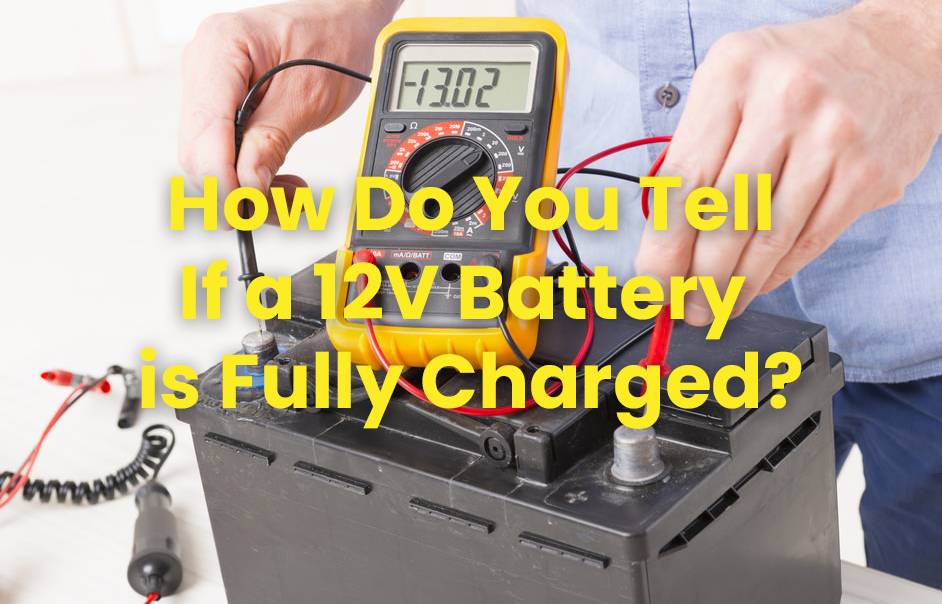
- Test Regularly: Use a multimeter to check voltage levels regularly.
Chart: Steps for Ensuring Proper Voltage Matching
| Step | Action Required |
|---|---|
| Check Specifications | Verify voltage ratings on devices |
| Use Compatible Components | Ensure all parts are rated for the same voltage |
| Test Regularly | Use a multimeter to check voltage levels |
What Are the Consequences of Ignoring Voltage Specifications?
Ignoring voltage specifications can lead to serious consequences:
- Operational Failures: Devices may not work at all if voltages are incompatible.
- Increased Costs: Damage from mismatched voltages can lead to costly repairs or replacements.
- Safety Risks: Ignoring specifications increases the likelihood of accidents.
Chart: Consequences of Ignoring Specifications
| Consequence | Description |
|---|---|
| Operational Failures | Devices may not function |
| Increased Costs | Repairs or replacements due to damage |
| Safety Risks | Higher likelihood of accidents |
Industrial News
Recent developments in electrical systems emphasize the importance of proper voltage matching, particularly with advancements in smart technology and renewable energy sources. Manufacturers are increasingly focusing on designing systems that automatically adjust voltages for optimal performance, enhancing safety and efficiency across various applications.
Expert Insight
“Understanding the significance of voltage matching is essential for anyone working with electrical systems,” says Dr. Emily Carter, an expert in electrical engineering. “Properly matched voltages not only enhance performance but also ensure safety and longevity for all components involved.”
FAQ Section
Why is it important to match voltages in electrical systems?
Matching voltages ensures efficiency, safety, and proper performance of electrical devices.What happens if I use mismatched voltages?
Mismatched voltages can lead to equipment damage, safety hazards, and reduced device lifespan.How can I check if my devices have matching voltages?
Always verify voltage ratings on devices and use a multimeter to test voltage levels regularly.