Blog
Do Lithium Batteries Develop Memory Effect?

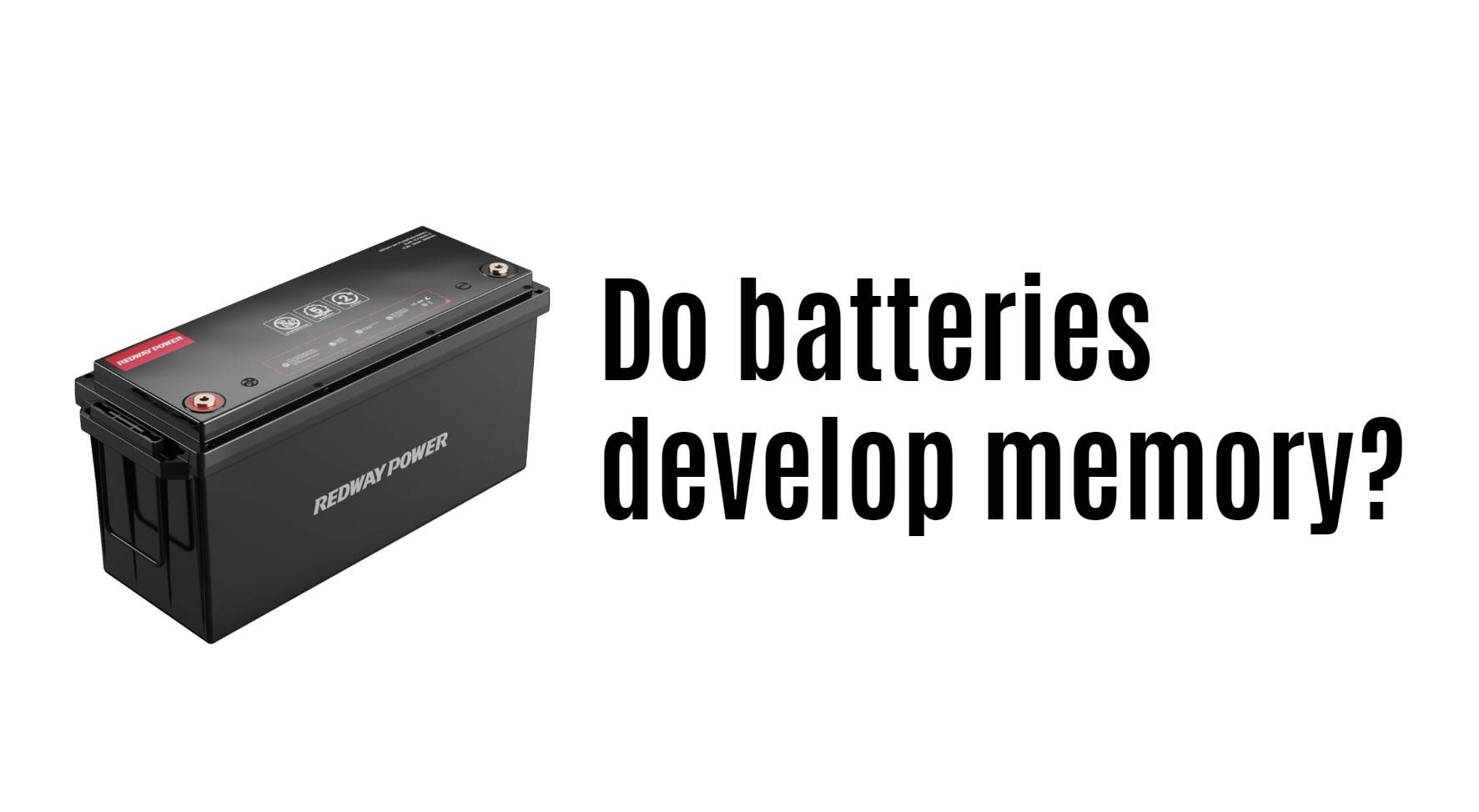
Lithium batteries do not typically develop a significant memory effect like older nickel-cadmium (NiCd) and nickel-metal hydride (NiMH) batteries. However, they can exhibit reduced capacity due to improper charging habits or incomplete discharge cycles. Understanding these differences is crucial for maintaining battery health and performance.
What is the memory effect in batteries?
The memory effect refers to a phenomenon where a rechargeable battery loses its maximum energy capacity if it is repeatedly charged after being only partially discharged. This results in a battery that “remembers” its lower capacity, leading to diminished performance over time.
| Memory Effect Overview | Description |
|---|---|
| Definition | Loss of capacity due to incomplete discharges |
| Commonly Affected Types | Primarily seen in NiCd and NiMH batteries |
How does the memory effect differ between battery types?
The impact of the memory effect varies significantly among different battery chemistries:
- Nickel-Cadmium (NiCd): Most susceptible to the memory effect; if frequently charged without full discharge, they can lose significant capacity.
- Nickel-Metal Hydride (NiMH): Less prone than NiCd but still affected; users should fully discharge occasionally to maintain capacity.
- Lithium-Ion (Li-Ion): Generally not affected by the memory effect; however, improper charging cycles can lead to reduced capacity.
| Battery Type | Susceptibility to Memory Effect |
|---|---|
| Nickel-Cadmium (NiCd) | High |
| Nickel-Metal Hydride | Moderate |
| Lithium-Ion (Li-Ion) | Low |
What can be done to mitigate the memory effect?
To mitigate the memory effect, users can adopt several best practices:
- Full Discharges: Occasionally fully discharge NiCd and NiMH batteries before recharging.
- Avoid Partial Charges: Try not to charge these batteries until they are nearly empty.
- Use Smart Chargers: Employ chargers with built-in features that prevent overcharging and manage charging cycles effectively.
| Mitigation Strategy | Description |
|---|---|
| Full Discharges | Helps reset capacity in NiCd/NiMH |
| Avoid Partial Charges | Reduces risk of diminished performance |
| Use Smart Chargers | Prevents overcharging and manages cycles |
What causes the memory effect in rechargeable batteries?
The primary cause of the memory effect is related to how batteries are charged and discharged:
- Incomplete Charge Cycles: Regularly charging a battery before it is fully discharged leads to crystallization of materials within, particularly in NiCd batteries.
- Chemical Changes: In NiCd batteries, repeated shallow discharges can cause changes in electrode materials that affect performance.
- Temperature Effects: High temperatures during charging can exacerbate these chemical changes, further contributing to capacity loss.
| Cause | Description |
|---|---|
| Incomplete Charge Cycles | Leads to crystallization within electrodes |
| Chemical Changes | Alters material properties affecting performance |
| Temperature Effects | High heat exacerbates degradation |
How does the memory effect impact battery performance?
The impact of the memory effect on battery performance includes:
- Reduced Capacity: Batteries may only provide a fraction of their original charge capacity, necessitating more frequent recharges.
- Shortened Usage Time: Devices powered by affected batteries may run out of power more quickly than expected.
- Increased Charging Frequency: Users may find themselves needing to recharge their devices more often, which can be inconvenient.
| Performance Impact | Description |
|---|---|
| Reduced Capacity | Less energy available for use |
| Shortened Usage Time | Devices run out of power faster |
| Increased Charging Frequency | More frequent need for recharging |
What types of batteries are affected by the memory effect?
The following types of batteries are most commonly affected by the memory effect:
- Nickel-Cadmium (NiCd): Highly susceptible; users should regularly perform full discharge cycles.
- Nickel-Metal Hydride (NiMH): Also affected but less severely than NiCd; occasional full discharges are beneficial.
- Lead-Acid Batteries: While not typically associated with a “memory” effect, they can experience voltage depression if not maintained properly.
- Lithium-Ion Batteries: Generally do not experience a significant memory effect; however, improper charging habits can lead to reduced capacity over time.
| Battery Type | Affected by Memory Effect |
|---|---|
| Nickel-Cadmium (NiCd) | Yes |
| Nickel-Metal Hydride | Yes |
| Lead-Acid | Not typically |
| Lithium-Ion | No |
How can users prevent or remedy the memory effect?
To prevent or remedy the effects of battery “memory,” users should:
- Fully Discharge Occasionally: For NiCd and NiMH, fully discharging every few months helps reset their charge capabilities.
- Use Quality Chargers: Employ chargers designed for specific battery types that prevent overcharging and manage charge cycles effectively.
- Regular Maintenance: Keep terminals clean and ensure proper storage conditions to extend battery life.
- Avoid Frequent Shallow Discharges: Try to avoid frequently charging before fully discharging.
| Prevention Method | Description |
|---|---|
| Fully Discharge Occasionally | Resets charge capabilities |
| Use Quality Chargers | Prevents overcharging |
| Regular Maintenance | Extends overall lifespan |
| Avoid Frequent Shallow Discharges | Enhances longevity |
Tips for Battery Wholesale Buyers
For those looking to purchase batteries in bulk or OEM orders, consider these key points:
- Choose Reliable Manufacturers: Partnering with established companies like Redway Power, which has over 13 years of experience in lithium battery technology, ensures quality products.
- Understand Your Needs: Clearly define specifications based on application requirements.
- Request Samples: Before placing large orders, testing samples helps ensure product satisfaction.
By opting for advanced battery technologies over traditional options, buyers benefit from improved efficiency and reduced environmental impact.
Redway Power Expert Views
“Understanding how different battery chemistries behave is essential for maximizing their lifespan,” states an expert from Redway Power. “While lithium-ion technology has largely mitigated issues like the memory effect, proper care remains vital for all types.”
FAQ Section
- Do lithium-ion batteries have a memory effect?
No, lithium-ion batteries do not typically experience a significant memory effect like nickel-based batteries do. - How can I tell if my battery has developed a memory effect?
Signs include reduced capacity and shorter usage times after repeated partial charges. - What should I do if my battery shows signs of reduced capacity?
Consider performing a full discharge followed by a complete recharge for nickel-based batteries; for lithium-ion, ensure proper charging practices. - How often should I fully discharge my nickel-cadmium battery?
It’s recommended to fully discharge it every few months if you regularly use partial charges. - Can I use any charger for my rechargeable batteries?
No, always use chargers specifically designed for your type of battery to avoid damage and ensure safety.