Blog
What Are the Best Wholesale and OEM Options for LiFePO4 Golf Cart Batteries?

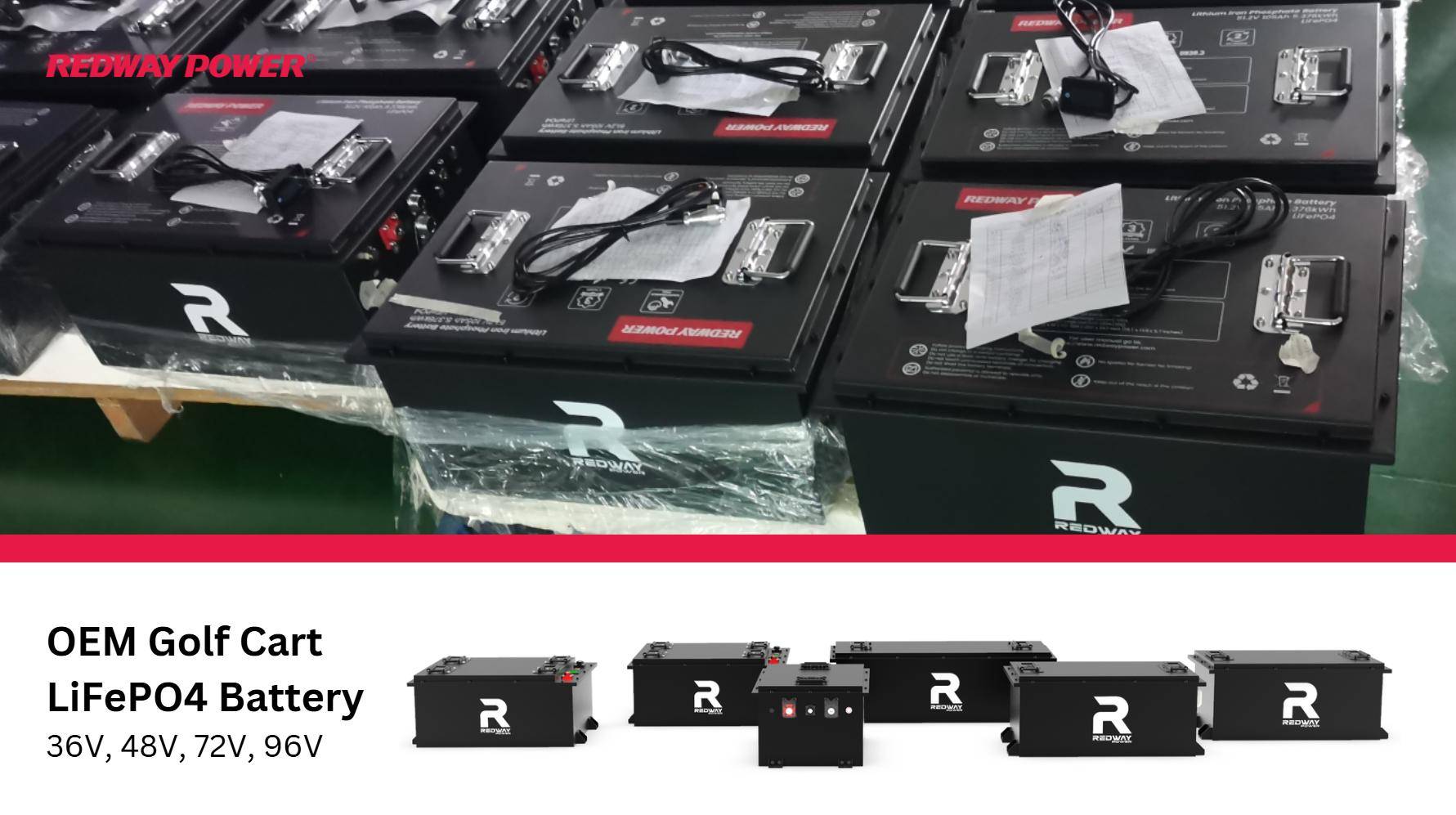
LiFePO4 golf cart batteries offer high energy density, long cycle life, and thermal stability. Wholesale and OEM options provide bulk purchasing for fleet operators or custom-engineered solutions for specialized applications. Key benefits include cost savings, brand customization, and scalability. Reputable suppliers like Dakota Lithium, RELiON, and Battle Born Batteries dominate this space with tailored warranties and certifications.
Why Choose LiFePO4 Batteries for Golf Cart Applications?
LiFePO4 batteries outperform lead-acid and AGM alternatives with 4,000+ cycles, 50% weight reduction, and zero maintenance. They maintain consistent voltage output, ensuring longer runtime on hilly terrains. Their inherent thermal stability minimizes fire risks, making them ideal for prolonged outdoor use. Golf course managers report 30% cost savings over 5 years due to reduced replacement frequency.
How to Evaluate Wholesale LiFePO4 Battery Suppliers?
Prioritize suppliers with ISO 9001 certification, UL 1973 compliance, and minimum 8-year warranties. Analyze their cell sourcing—Top-tier vendors use Grade A EVE or CATL cells. Request cycle life test reports (≥80% capacity retention after 3,000 cycles). Verify bulk order lead times; reliable providers ship 500+ units within 14 days. Case Study: Sun Valley Resorts cut downtime by 40% using Renogy’s JIT delivery model.
When assessing suppliers, review their track record in handling large-scale orders. Suppliers with dedicated account managers and 24/7 technical support reduce operational risks. Third-party audits of manufacturing facilities help verify quality control processes. For example, leading wholesalers now provide real-time production monitoring through secure portals. Consider regional logistics partnerships—local warehousing can slash delivery times by 60% compared to overseas shipments.
| Evaluation Criteria | Benchmark |
|---|---|
| Cell Cycle Life | ≥3,500 cycles @ 80% DoD |
| Certifications | UL 1973, ISO 9001, UN38.3 |
| Lead Time | <14 days for 500+ units |
What Customization Options Exist for OEM LiFePO4 Packs?
OEMs can specify case dimensions (common: 10.2″L x 7.1″W x 10.9″H), terminal types (stud, SAE, or Anderson SB), and BMS configurations. Advanced options include Bluetooth-enabled SOC monitoring, heated cells for sub-zero operation, and IP67 waterproofing. Custom branding extends to laser-etched logos, proprietary packaging, and tailored voltage profiles (e.g., 48V systems with 100Ah+ capacity).
What Pricing Structures Define Wholesale LiFePO4 Deals?
Tiered pricing typically starts at 50+ units, with 48V 100Ah packs ranging from $1,800–$2,400/unit. Volume discounts reach 22% at 500+ units. MOQs vary: Chinese suppliers require 100+ units vs. 10+ for U.S. assemblers. Payment terms include 50% deposit + 50% pre-shipment. Bulk buyers should budget $0.18–$0.25/Wh—40% below retail. Pro Tip: Negotiate palletization costs—sea shipping averages $0.08/lb from Shenzhen.
Seasonal pricing fluctuations of 8-12% occur due to lithium carbonate market volatility. Smart buyers use price-lock agreements for orders exceeding $250k. Some suppliers offer consignment inventory programs, allowing dealers to pay post-sale. For example, a Midwest distributor reduced upfront costs by 70% using this model. Always verify Incoterms—FOB pricing excludes 11-15% in import duties and logistics fees.
| Order Quantity | Price Per Unit | Effective Cost/Wh |
|---|---|---|
| 50-100 units | $2,200 | $0.23 |
| 101-500 units | $1,950 | $0.20 |
| 500+ units | $1,750 | $0.18 |
How Do Environmental Factors Impact LiFePO4 Battery Performance?
LiFePO4 cells operate optimally at -4°F to 140°F but require thermal management above 122°F. Humidity above 85% accelerates terminal corrosion—marine-grade stainless steel terminals mitigate this. At 95°F, cycle life decreases 15% per 15°F increase. OEMs combat this with phase-change materials in battery trays. Field data shows Arizona golf carts retain 91% capacity after 3 years vs. 97% in temperate climates.
Know more:
How to Choose and Buy the Best LiFePO4 Golf Cart Battery?
What Are the Best Wholesale and OEM Options for LiFePO4 Golf Cart Batteries?
What Are the Cost Benefits of LiFePO4 Golf Cart Batteries?
How to Troubleshoot LiFePO4 Golf Cart Battery Issues?
What Should You Know About LiFePO4 Golf Cart Battery Warranties and Support?
How to Get a Quote for LiFePO4 Golf Cart Batteries?
What Installation Best Practices Extend Battery Lifespan?
Use 4 AWG welding cable for interconnects to minimize voltage drop. Maintain 0.5″ clearance around cells for airflow. Secure batteries with Grade 8 bolts (35–45 N·m torque). Always balance charge to ±0.05V cell deviation. For series configurations, implement a common port BMS with 200A continuous discharge. Post-installation: Re-torque terminals at 50 cycles and calibrate SOC monthly using a 0.5C discharge test.
How Are Emerging Technologies Shaping Future OEM Designs?
Solid-state LiFePO4 prototypes achieve 380 Wh/kg—double current density. Graphene-enhanced anodes enable 15-minute 80% fast charging. Smart BMS with AI-driven predictive maintenance now interface with golf cart telematics. Wireless charging pads (SAE J2954-compliant) are being OEM-integrated into cart frames. These innovations could reduce total ownership costs by 60% by 2030 while enabling modular battery swaps.
New battery architecture using 3D-printed electrodes increases surface area by 300%, boosting discharge rates. OEMs are testing self-healing electrolytes that automatically repair micro-cracks. Partnerships with solar companies are creating integrated energy systems where cart batteries store excess photovoltaic energy. The latest BMS firmware updates optimize charging patterns based on individual usage data, extending cycle life by 18%.
| Technology | Expected Commercialization | Potential Impact |
|---|---|---|
| Solid-State Packs | 2026 | +100% Energy Density |
| AI-Optimized BMS | 2025 | 30% Longer Cycle Life |
| Wireless Charging | 2024 | Zero Connector Wear |
“The wholesale LiFePO4 market is pivoting toward vertical integration. Leading OEMs now co-locate cell production and pack assembly to control costs. We’re seeing a 170% YoY increase in demand for 72V systems as golf carts evolve into multi-purpose utility vehicles. The next frontier? Hybrid supercapacitor-LiFePO4 systems for instantaneous torque in hilly terrains.” – Industry Expert, Battery Innovation Council
Conclusion
Wholesale and OEM LiFePO4 golf cart batteries represent a $2.3B market opportunity driven by durability and ROI advantages. Successful procurement hinges on technical vetting, customization foresight, and lifecycle cost analysis. As golf courses transition to renewable energy ecosystems, these batteries will increasingly integrate with solar arrays and smart grid interfaces.
FAQs
- How long do LiFePO4 golf cart batteries last?
- Properly maintained LiFePO4 batteries deliver 8–12 years of service (4,000–6,000 cycles), outlasting lead-acid by 4x. Capacity degradation averages 3% annually vs. 15% for AGM.
- What certifications matter for wholesale purchases?
- Prioritize UN38.3 (transport), IEC 62619 (safety), and UL 2580 (EV compliance). Marine applications require CE/ECM and ABYC TE-13.
- Can LiFePO4 batteries be recycled?
- Yes—licensed recyclers recover 96% of lithium, iron, and phosphate. The process costs $1.50–$3.00/lb, often offset by supplier takeback programs.